Gate Pose
Gate Pose opens the side body from a stable kneeling base: with one leg stretched out to the side, you arc the torso over it to lengthen the top-side obliques and lat while the extended leg's inner thigh gets a gentle stretch. It is an accessible frontal-plane opener that complements all the forward and backward bending in a typical practice. Keep the motion in the side waist rather than twisting the chest toward the floor.
- Equipment
- Body Weight
- Type
- Stretching, Yoga
- Browse by muscle
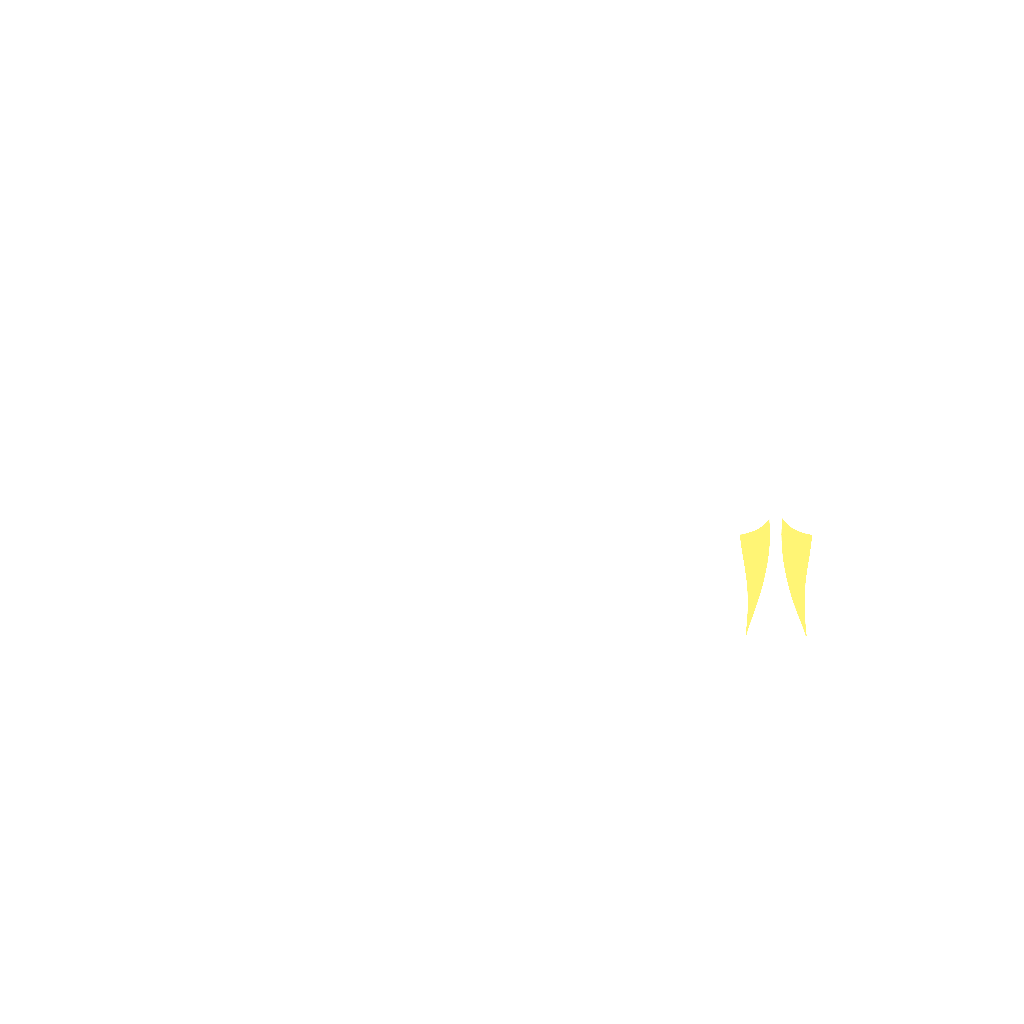
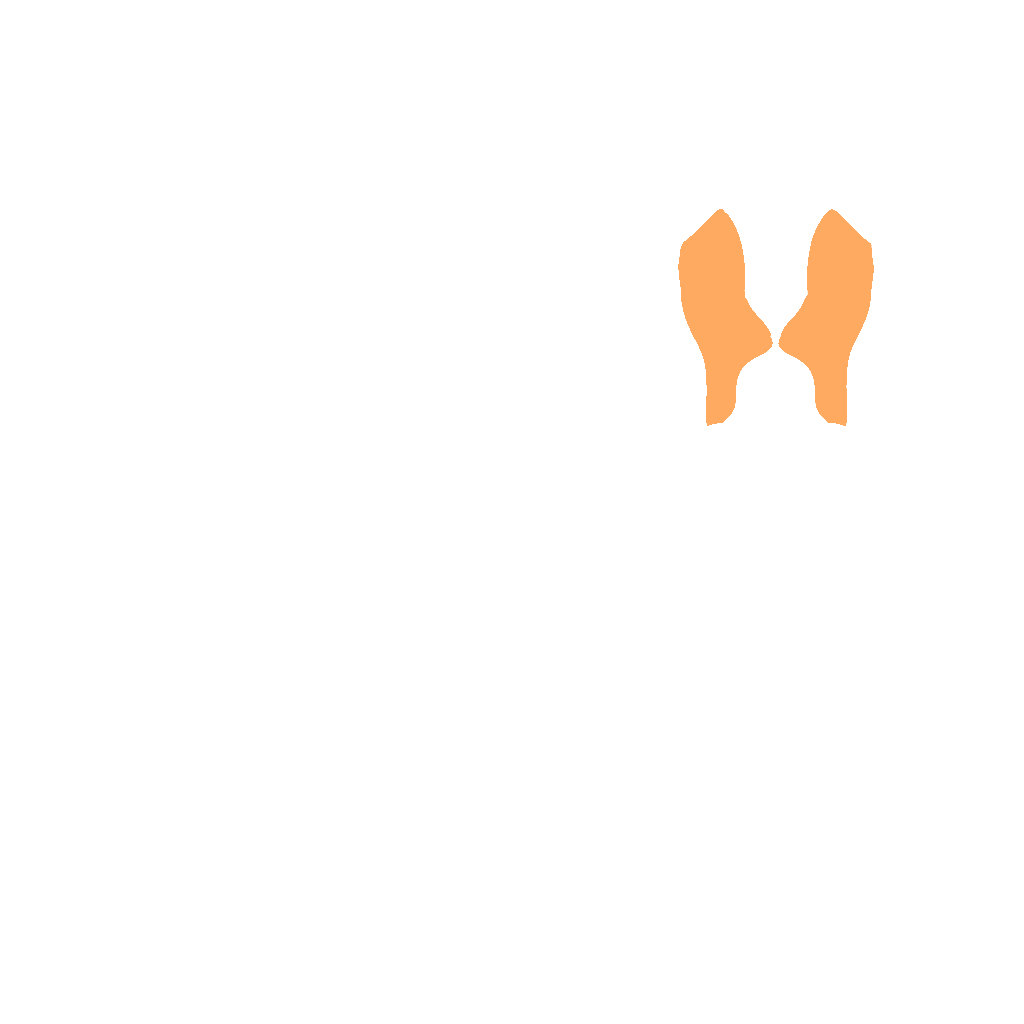
- Abdominal External Oblique






- Target
- Abdominal External Oblique
- Secondary
- Latissimus Dorsi, Adductor Longus
- Tertiary
- Adductor Magnus, Deltoid Middle, Erector Spinae
How to do it
- 1
Kneel tall with the hips stacked over the knees.
- 2
Extend one leg straight out to the side with the foot flat and toes pointing forward.
- 3
Rest the same-side hand lightly on the extended leg.
- 4
Sweep the opposite arm up and over the ear toward the straight leg.
- 5
Arc the top side of the body long, keeping the chest open toward the ceiling.
- 6
Hold with steady breath, come back to center, and switch sides.
Tips
- Bend from the side waist instead of collapsing the chest down toward the leg.
- Cushion the kneeling knee with a folded mat if it feels tender.
- Keep the extended-leg foot rooted so the inner thigh shares the stretch.
Variations
Common mistakes
- The kneeling hip sinks back over the heel instead of stacking over the knee, so the side bend starts from a slouch and never reaches the waist.
- The extended leg drifts forward of the kneeling knee, which turns the shape into a diagonal and moves the stretch from the side waist to the front of the hip.
- Almost all the weight goes onto the hand resting on the straight leg, so the arm holds you up and the top-side obliques stop working.
- The top arm swings over the ear before the ribs have moved, and the shoulder ends up taking a stretch the side body was meant to take.
- The head drops toward the shoulder as the arm reaches over, pinching the top side of the neck at the moment it should be at its longest.
Frequently asked
- How long is a good hold in Gate Pose on each side?
- Five to eight breaths per side, one or two rounds each, is plenty. It is a gentle shape, so you can hold it longer than a standing pose without much cost, and a slower breath is what opens the side ribs. Two rounds a side works well if you take the first at a shallow angle and the second a little deeper. If the kneeling knee starts to ache before the side body has opened, that is the limit for the day rather than a sign to push on.
- How do I modify Gate Pose if kneeling hurts, and how do I take it further?
- Easier: fold the mat or slide a blanket under the kneeling knee, put a block under the hand that rests on the extended leg, and keep the top hand on the hip instead of reaching overhead. Bringing the extended foot's toes up against a wall gives the leg something to press into. Harder: turn the top palm up and reach further over, slide the bottom hand down toward the ankle so the arc deepens, or hold longer with the chest deliberately turning up toward the ceiling rather than rolling toward the floor.
- Why do Gate Pose at all, and who should be careful with it?
- It opens the side waist, ribs and lat and gives the inner thigh of the straight leg a gentle stretch, which balances out a practice full of forward and backward bending, and it is accessible enough for stiff beginners because the base is kneeling. Be careful if kneeling itself is painful, whether from the kneecap or the joint underneath, and pad it or skip it rather than pushing through. Anyone with a recently strained groin should keep the extended leg closer in.
Related exercises
Other movements among FitRay's 2,000+ exercises that load the same target muscle — same equipment and level first.