Supported Child's Pose
Draping the front body over a bolster turns Child's Pose into a deeply passive rest that gently decompresses the spine and quiets the mind. Because the prop holds your weight, the back muscles can truly let go, which makes this a favorite for stress, fatigue, and gentle recovery days. Hold it long enough and the breath naturally slows all on its own.
- Equipment
- Body Weight
- Type
- Recovery, Stretching, Yoga
- Browse by muscle
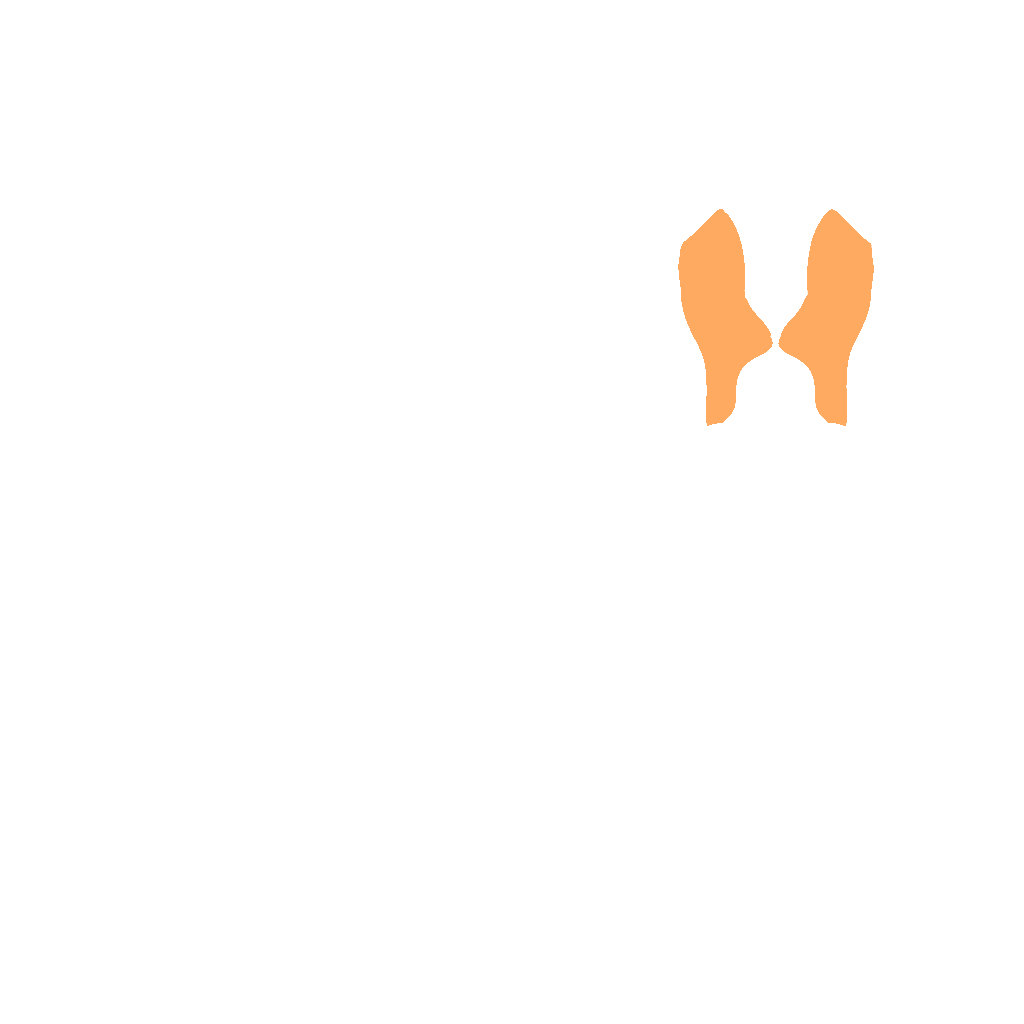
- Erector Spinae




- Target
- Erector Spinae
- Secondary
- Latissimus Dorsi
- Tertiary
- Trapezius Lower
How to do it
- 1
Kneel on a mat and set a bolster or firm cushions lengthwise in front of you between the thighs.
- 2
Bring the big toes together and widen the knees to frame the bolster.
- 3
Sit the hips back toward the heels and lengthen the torso forward onto the bolster.
- 4
Turn one cheek to rest on the prop and let the arms drape softly alongside it.
- 5
Let the whole front body be supported so the back can completely relax.
- 6
Stay for one to three minutes of slow breathing, turning the head to the other side halfway through.
Tips
- Add more height under the torso if the hips do not reach the heels comfortably.
- Place a blanket under the shins or ankles if the tops of the feet feel strained.
- Let each exhale be a signal to soften a little more into the support.
Variations
Common mistakes
- The bolster sits too far forward, so you have to reach out to meet it and the chest hangs off the end rather than resting on it; slide the prop up to the hips.
- The prop is too flat for tight hips, leaving the ribs suspended between the bolster and the thighs with nothing actually supported.
- The face stays turned the same way for the entire hold, which keeps the neck rotated in one direction; switch cheeks halfway through.
- The arms are held out in front instead of draped, and holding any shape in a pose designed to be passive keeps the shoulders working.
- A minute in, the position feels dull and gets cut short, but this pose works slowly and the last minute is usually the one that counts.
Frequently asked
- How long should you stay in supported child's pose?
- One to three minutes, once or twice, turning the head to the other side around the halfway mark. It fits at the end of a session, on a rest day, or before bed, when a longer stay is the whole point. Progress by adding time rather than by lowering the prop; the support is what lets the back switch off.
- What can I use instead of a bolster for supported child's pose?
- Two firm pillows stacked lengthwise, a tightly rolled duvet or two folded blankets, or a couch cushion all work. Firmness matters more than softness: a stack that collapses under your ribs leaves you holding yourself up, which defeats the pose. Build it taller than you think you need, then take height away if the hips reach the heels easily.
- What is supported child's pose for?
- It is a recovery and downshift position: the prop carries the front of the body so the back muscles can genuinely release and the breath slows on its own, which suits rest days, stressful weeks, and the end of hard sessions. It is a poor choice as a mobility drill if you are trying to change range, since the active kneeling versions do far more, and it does not suit knees or ankles that cannot fold even with padding under them.
Related exercises
Other movements among FitRay's 2,000+ exercises that load the same target muscle — same equipment and level first.