Three-Point Sprint Start
The Three-Point Sprint Start teaches explosive acceleration from a low, forward-leaning position with one hand down for support. The staggered stance and forward center of mass put the athlete in a strong pushing angle so the first steps drive backward into the ground. It is a foundational start for field-sport athletes and a stepping stone toward block starts.
- Equipment
- Body Weight
- Type
- Cardio, Functional
- Browse by muscle
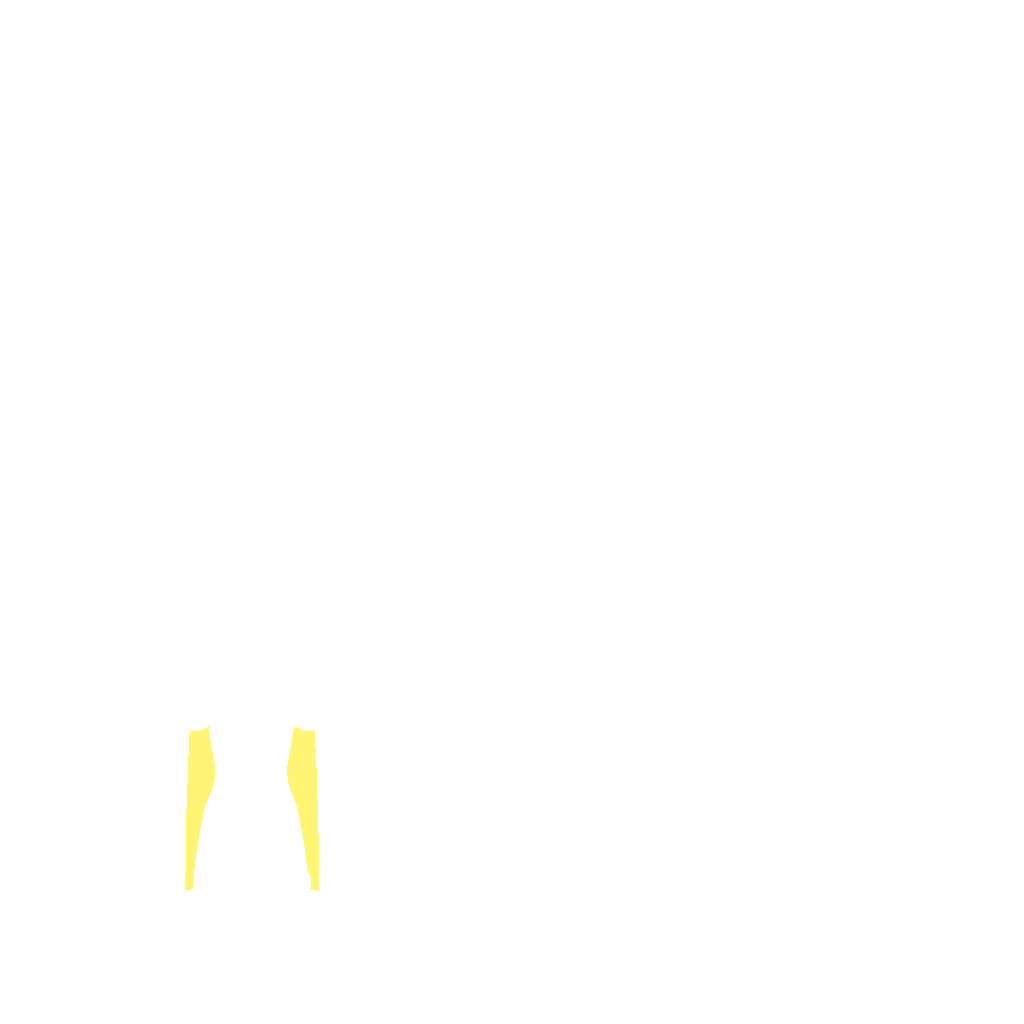
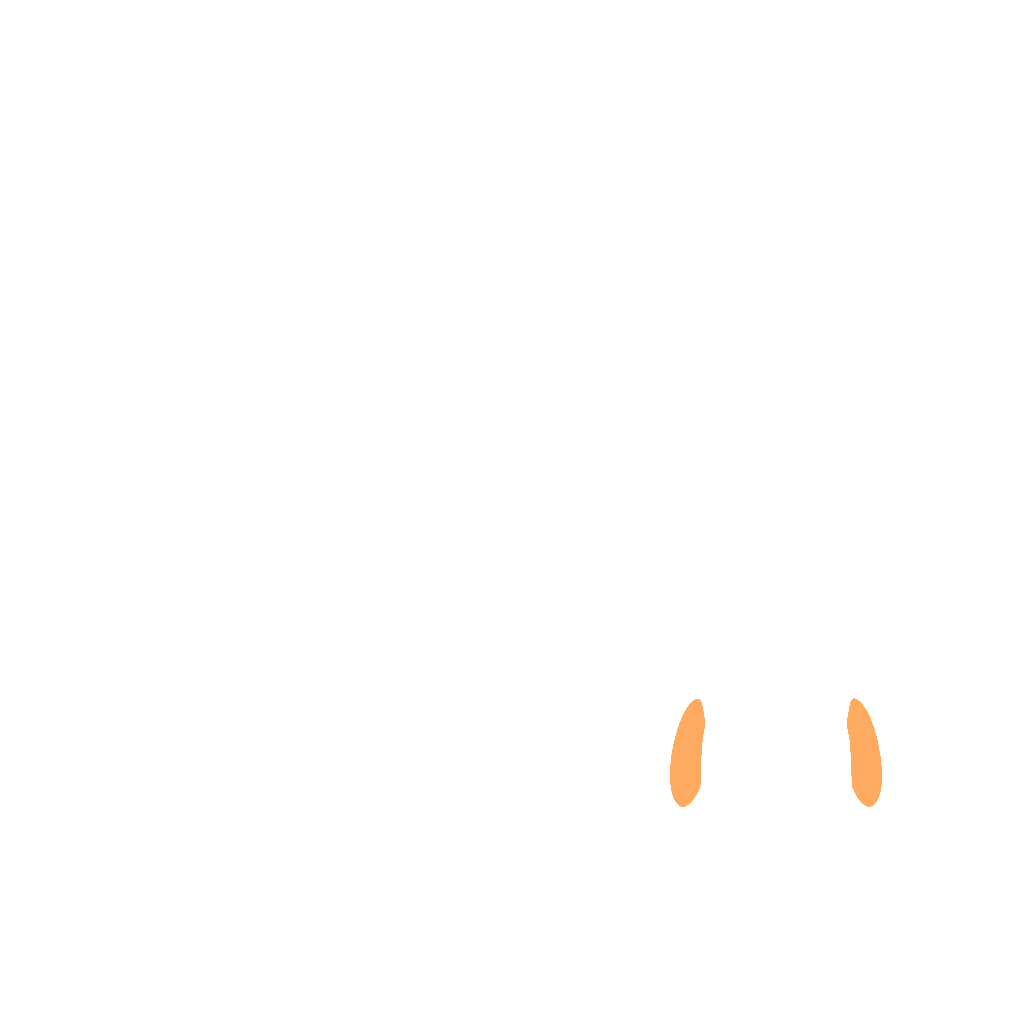
- Rectus Femoris, Vastus Lateralis, Gluteus Maximus
- Browse by movement
- Gait Drill










- Target
- Rectus Femoris, Vastus Lateralis, Gluteus Maximus
- Secondary
- Biceps Femoris, Semitendinosus, Gastrocnemius Lateral Head, Gastrocnemius Medial Head
- Tertiary
- Soleus Gastrocnemius, Erector Spinae, Abdominal External Oblique
How to do it
- 1
Set up in a staggered stance with your stronger leg forward, knee bent.
- 2
Place the opposite hand on the ground under your shoulder, forming the third point.
- 3
Rock your weight forward over the hand and front foot until you feel loaded to push.
- 4
Drive off both legs, punching the rear knee and the free arm forward while the down hand drives back to explode out.
- 5
Stay low with a straight-line body lean for the first several steps as you build speed.
- 6
Gradually rise to a tall sprint posture as you reach top speed, then decelerate safely.
Tips
- Keep the first steps low and pushing; popping upright early kills acceleration.
- Aim for a straight line from the driving ankle through the hip to the head at push-off.
- Punch the free arm and knee hard to help project the body forward.
- Push the ground back rather than reaching the front foot out ahead.
Variations
Common mistakes
- Your weight sits back over the rear foot, so the first movement is standing up rather than pushing, and you lose a step before you have started.
- The down hand lands out in front of the shoulder, which turns the start into a fall you have to catch instead of a push you can aim.
- The head lifts to look down the track on the first step, which pulls the chest up and cancels the lean you set up for.
- The set position gets held for five or six seconds while somebody counts, and the tension leaks out of it; load and go within a second or two.
- The same leg goes forward on every rep because it feels better, and in a game you rarely get to choose; take half your starts from the other stance.
- Starts get run in ten meters of space, so as much effort goes into stopping as into accelerating; give yourself thirty meters to run out and slow down.
Frequently asked
- How many three-point sprint starts should you do when you are new to the exercise?
- Six to eight starts over 10 to 20 meters, with a minute or two of walking between them, after a full preparation. Keep the distance short while the first steps are what you are working on. Progress the distance before the number of reps, and end the session when those first two steps stop being low and pushing, which usually happens well before you feel out of breath.
- How do I make the three-point sprint start easier or harder?
- Easier: take a two-point start from a staggered standing stance, or use a falling start, where you lean until you have to run; both take the hand off the ground and the load off the wrist. Harder: react to a partner's call, a clap, or a dropped ball instead of going on your own count, or add resistance with a sled, a band, or a partner holding a belt. A four-point start with both hands down is the next position along rather than a harder version of this one.
- What is the three-point sprint start for, and when is it a poor choice?
- It puts you in a strong pushing angle so the first steps drive backward into the ground, which is why field-sport athletes use it and why it leads toward block starts. It is a poor choice if the loaded wrist or shoulder hurts in that position, and on slick grass, where both the down hand and the front foot slip. It is also of little use to a distance runner, whose sport never asks for an explosive start from a standstill.
Related exercises
Other movements among FitRay's 2,000+ exercises that load the same target muscle — same equipment and level first.
- Intermediate5-10-5 Pro Agility ShuttleBody Weight · Glutes · Quads
- Intermediate300-Yard ShuttleBody Weight · Hamstring · Quads
- IntermediateA-SkipBody Weight · Calves · Quads
- IntermediateB-MarchBody Weight · Hamstring · Quads
- IntermediateB-SkipBody Weight · Hamstring · Quads
- IntermediateCariocaBody Weight · Glutes · Thighs