Twisted Sage Pose
Named for the sage Koundinya, this twisting balance rotates the torso deeply, drapes the outer thigh across the far upper arm, and extends the top leg out to the side and the bottom leg straight back while the body stays horizontal on bent arms. It is a rotation-driven cousin of flying splits, dominated by the obliques. Enter it from a revolved lunge once your twist is deep.
- Equipment
- Body Weight
- Type
- Balance, Strength, Yoga
- Browse by muscle
- Abdominal External Oblique, Triceps Brachii Long Head, Triceps Brachii Lateral Head, Triceps Brachii Medial Head
- Browse by movement
- Rotation


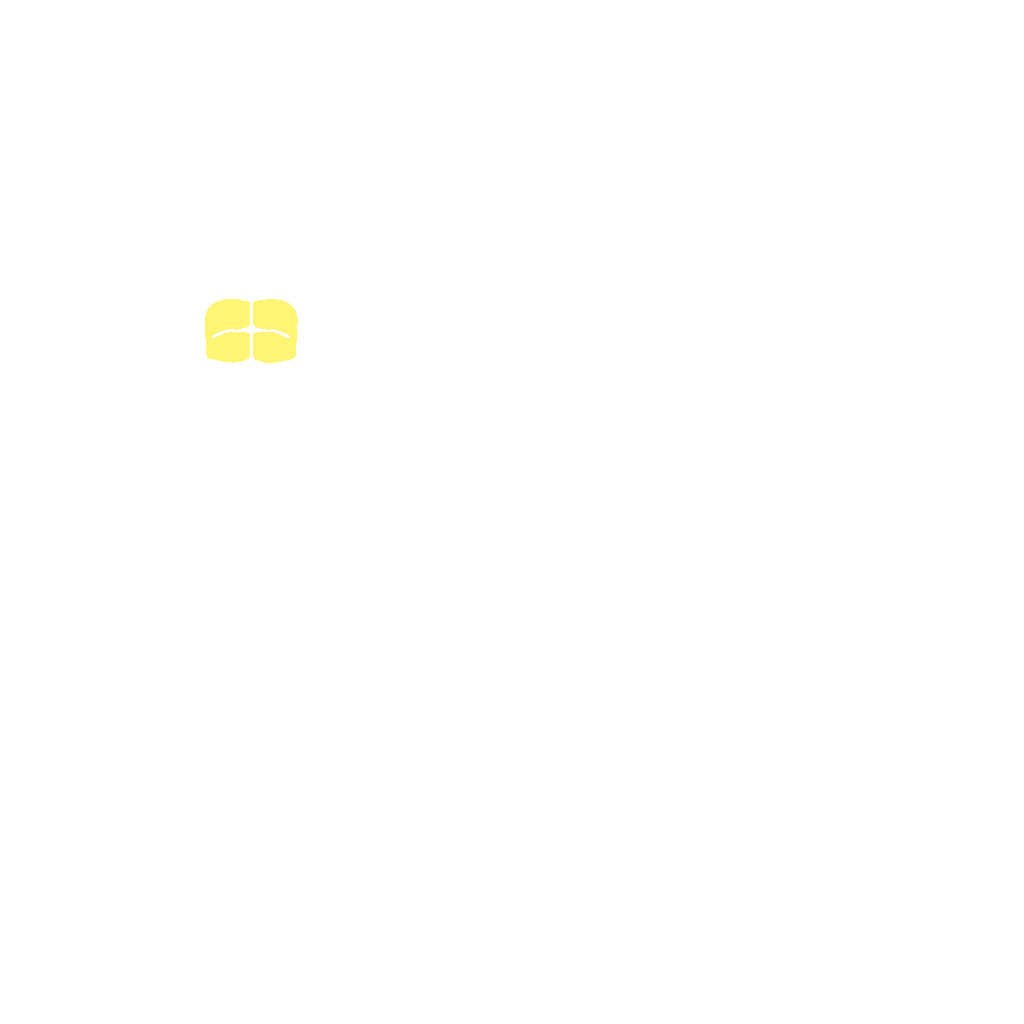
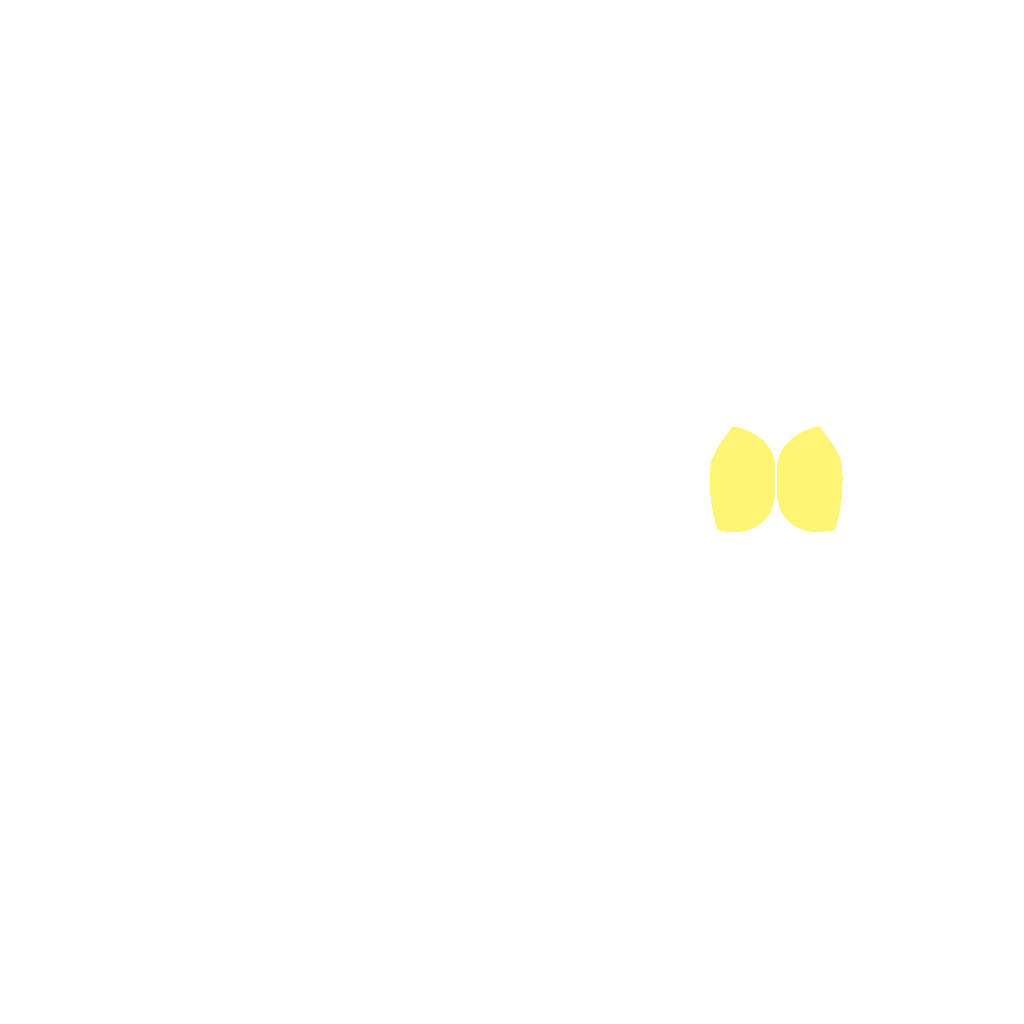

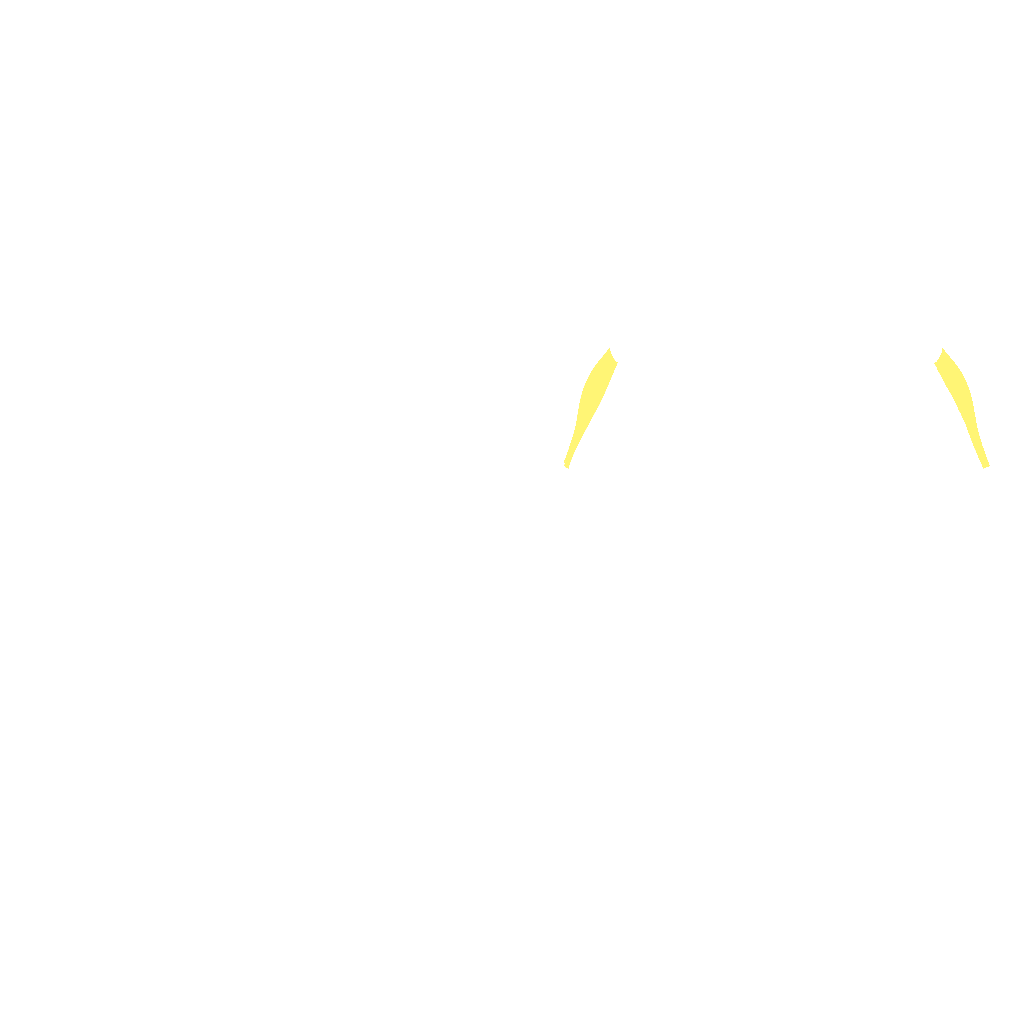

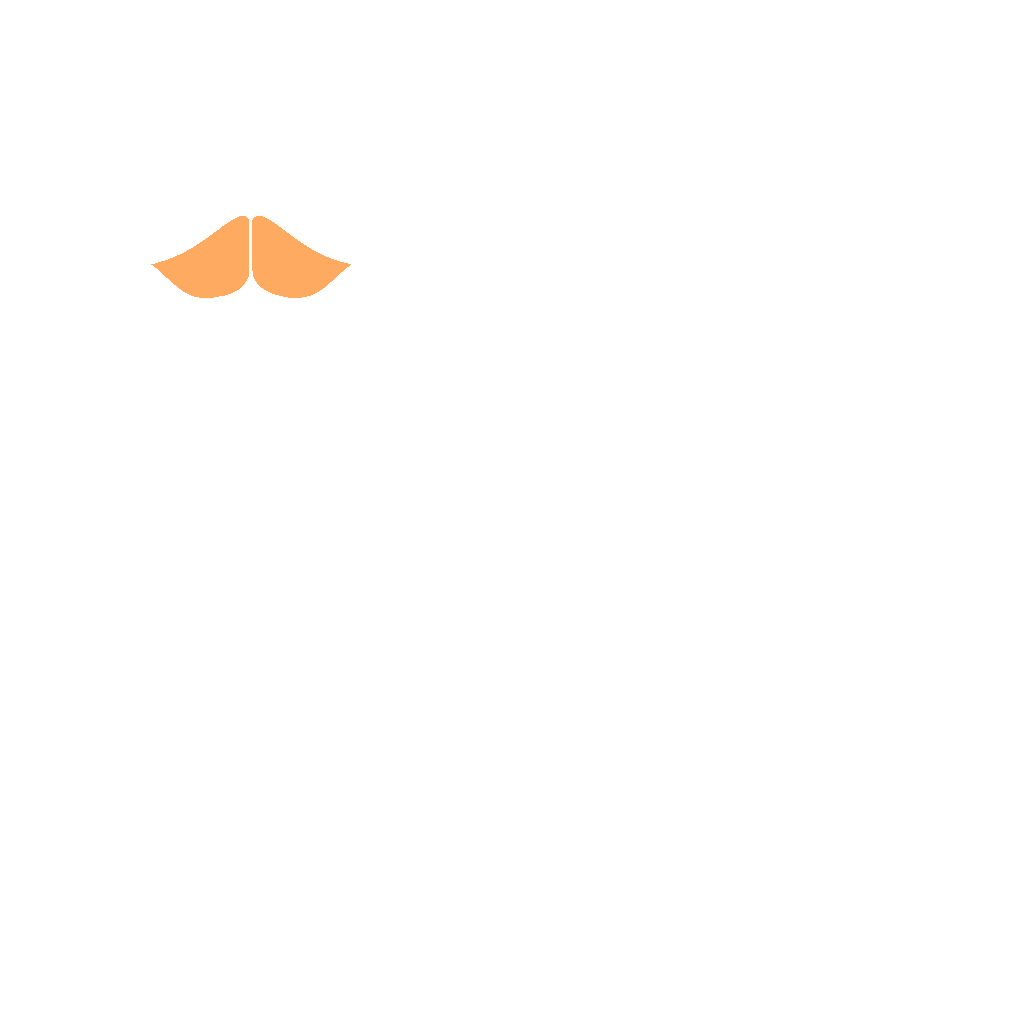


- Target
- Abdominal External Oblique, Triceps Brachii Long Head, Triceps Brachii Lateral Head, Triceps Brachii Medial Head
- Secondary
- Deltoid Anterior, Pectoralis Major Sternocostal, Upper Rectus Abdominals, Erector Spinae
- Tertiary
- Lower Rectus Abdominals, Gluteus Maximus, Trapezius Lower, Extensors
How to do it
- 1
Warm the wrists and spine, then from a low lunge revolve the torso and hook the outer thigh across the far upper arm.
- 2
Set both palms on the floor shoulder-width and grip firmly with the fingers.
- 3
Deepen the twist so the ribs turn toward the ceiling and the thigh sits high on the arm.
- 4
Bend the elbows into a chaturanga line and shift the weight forward onto the hands.
- 5
Float both feet up, then extend the top leg long out to the side and the bottom leg straight back behind you.
- 6
Reach through both heels as a counterweight, hold the twist, then step down and switch sides.
Tips
- Drive the twist from the belly, the deeper the rotation the more securely the thigh locks onto the arm.
- Reach the side leg and the back leg firmly away to counterbalance the head and chest lowering forward.
- Keep the elbows tucked and even, and practice over soft ground with a spotter at your shoulder.
Variations
Common mistakes
- The thigh hooks low on the arm near the elbow, so it slides the moment the feet leave the floor; it needs to sit high toward the armpit where the arm is thickest.
- The twist stops halfway, leaving the ribs facing the floor and the shoulder never getting under the thigh, so arm strength alone holds a shape that rotation is meant to hold.
- The far elbow flares wide while the near one stays tucked, and an uneven chaturanga line tips the whole platform toward the open side.
- Both legs stay bent and tucked once the feet float, so there is no counterweight out to the side and the chest keeps tipping toward the floor.
- Stepping down means releasing the twist and collapsing onto the hip, which unwinds a loaded spine in a hurry; bring the feet under you first, then untwist.
Frequently asked
- How should I start practicing Twisted Sage Pose, and what should I be able to do first?
- Treat it as skill practice, not a set: three to five attempts per side of two to eight seconds, a full minute of rest between, twice a week. Before you start it you want a ten-second Side Crow and a revolved low lunge deep enough that the shoulder sits clearly past the front thigh, because the twist is what locks the leg onto the arm. Progress by adding seconds rather than drama, and end the session at the first attempt that turns into a scramble.
- How can I make Twisted Sage Pose easier while I work toward it?
- Keep the lower foot's toes on the floor as a kickstand and extend only the top leg, which gives you the shape with half the load. Blocks under both hands add height so the legs have room to swing through. Side Crow with the knees stacked on one upper arm is the strength piece, and a revolved lunge held for eight breaths is the rotation piece; train them separately and the full pose arrives on its own. To push it further, extend both legs with no floor contact, hold for several breaths, then tuck the knees and lower into a chaturanga rather than stepping down.
- What is Twisted Sage Pose good for, and when is it a bad idea?
- It trains the obliques to hold a rotated trunk while the triceps press, and it belongs to people already deep into an arm-balance practice. As conditioning it is thin, because the hold is too short to build much; a side plank series does more for the same muscles. Skip it with a wrist, elbow or shoulder problem, since all of your weight lands on two bent arms, and leave it out when the spine is cold or the low back is sore, because the shape starts with a deep loaded twist. Practice over a mat with someone near your shoulder until the landing is reliable.
Related exercises
Other movements among FitRay's 2,000+ exercises that load the same target muscle — same equipment and level first.
- AdvancedGrasshopper PoseBody Weight · Abs · Shoulder
- AdvancedSpinning Back Kick DrillBody Weight · Glutes · Quads
- AdvancedSpinning Backfist DrillBody Weight · Abs · Shoulder
- AdvancedUnderswitchBody Weight · Abs · Shoulder
- IntermediateBicycle CrunchBody Weight · Abs
- IntermediateRussian TwistBody Weight · Medicine Ball · Abs