Two-Legged Sage Pose
The two-legged sage balance twists the torso and drapes both thighs together across one upper arm, then extends the legs straight out to the side as the body presses forward and level. Unlike the front-back split of Koundinyasana II, here the legs stay bound as one long lever, demanding a strong oblique clamp and triceps press. A refined variation for confident arm balancers.
- Equipment
- Body Weight
- Type
- Balance, Strength, Yoga
- Browse by muscle
- Abdominal External Oblique, Triceps Brachii Long Head, Triceps Brachii Lateral Head, Triceps Brachii Medial Head
- Browse by movement
- Core Brace



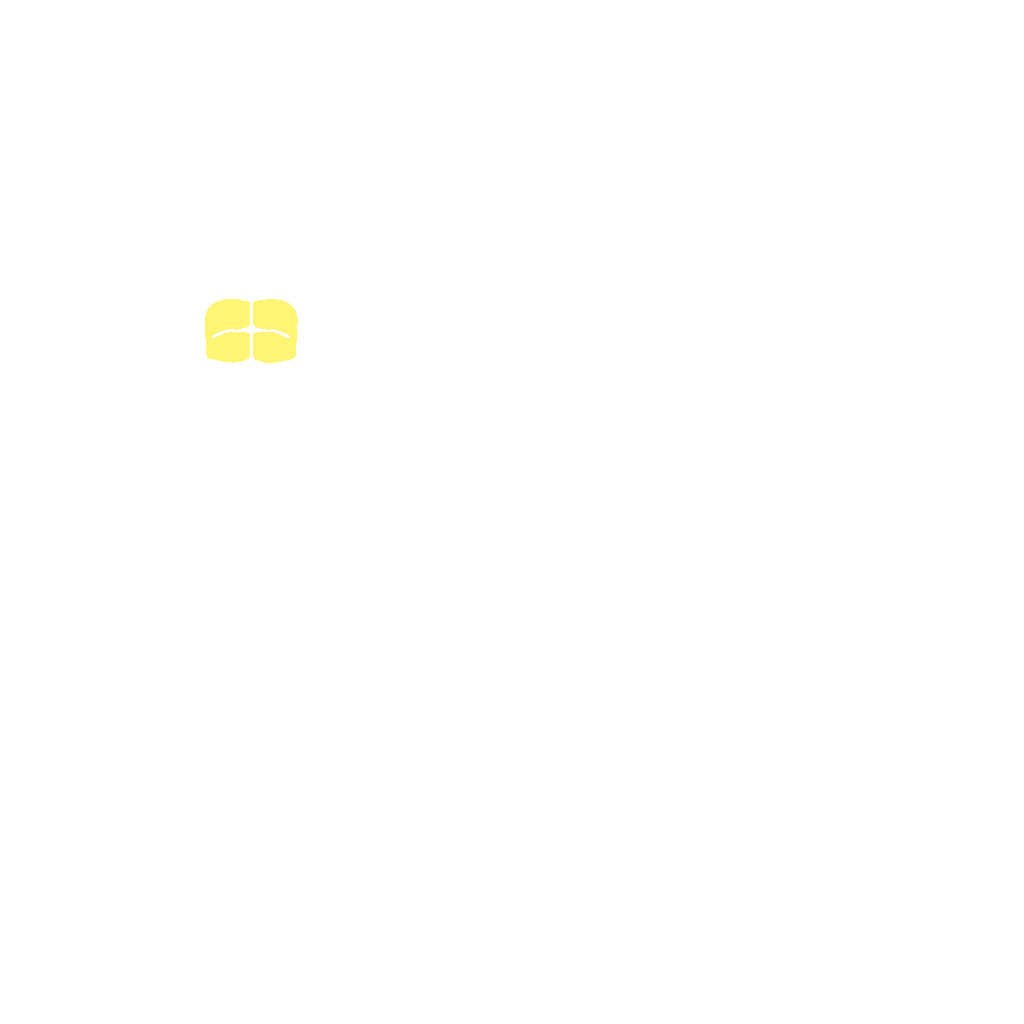


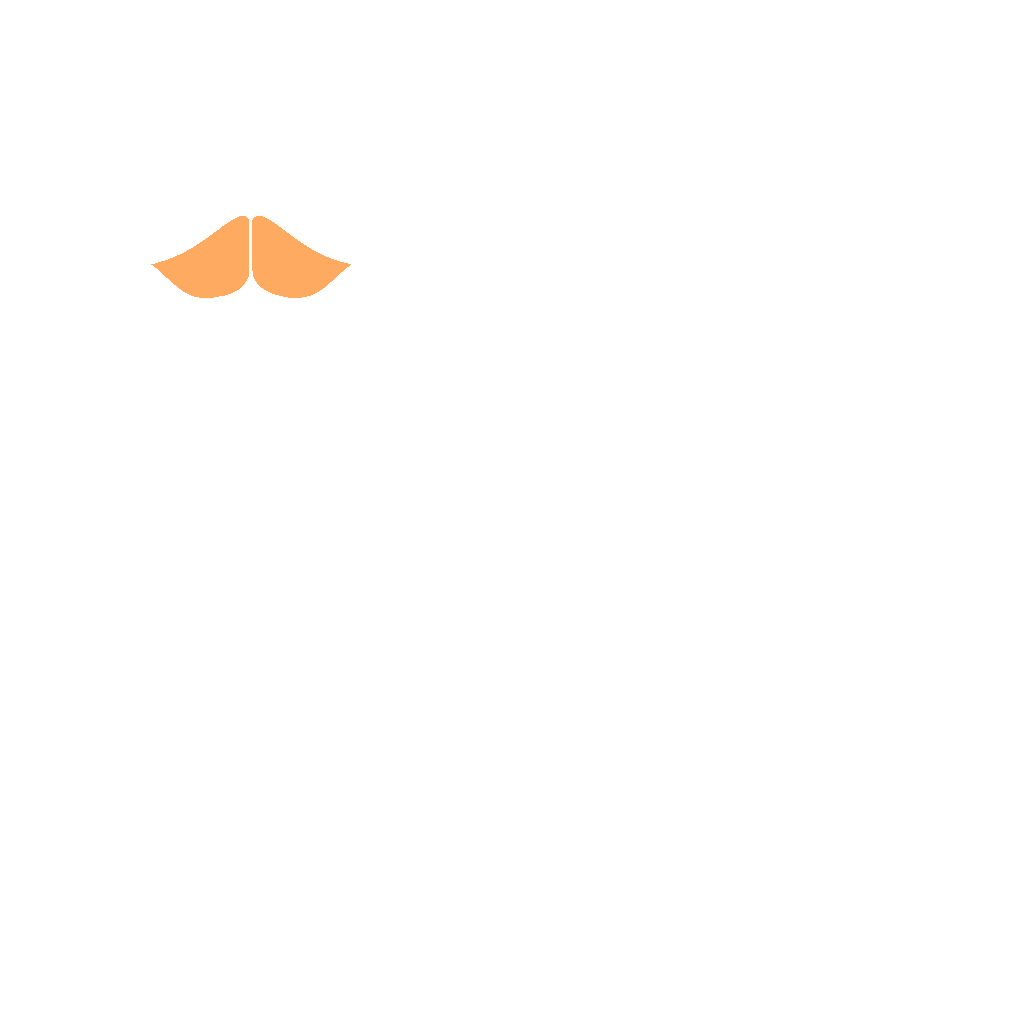
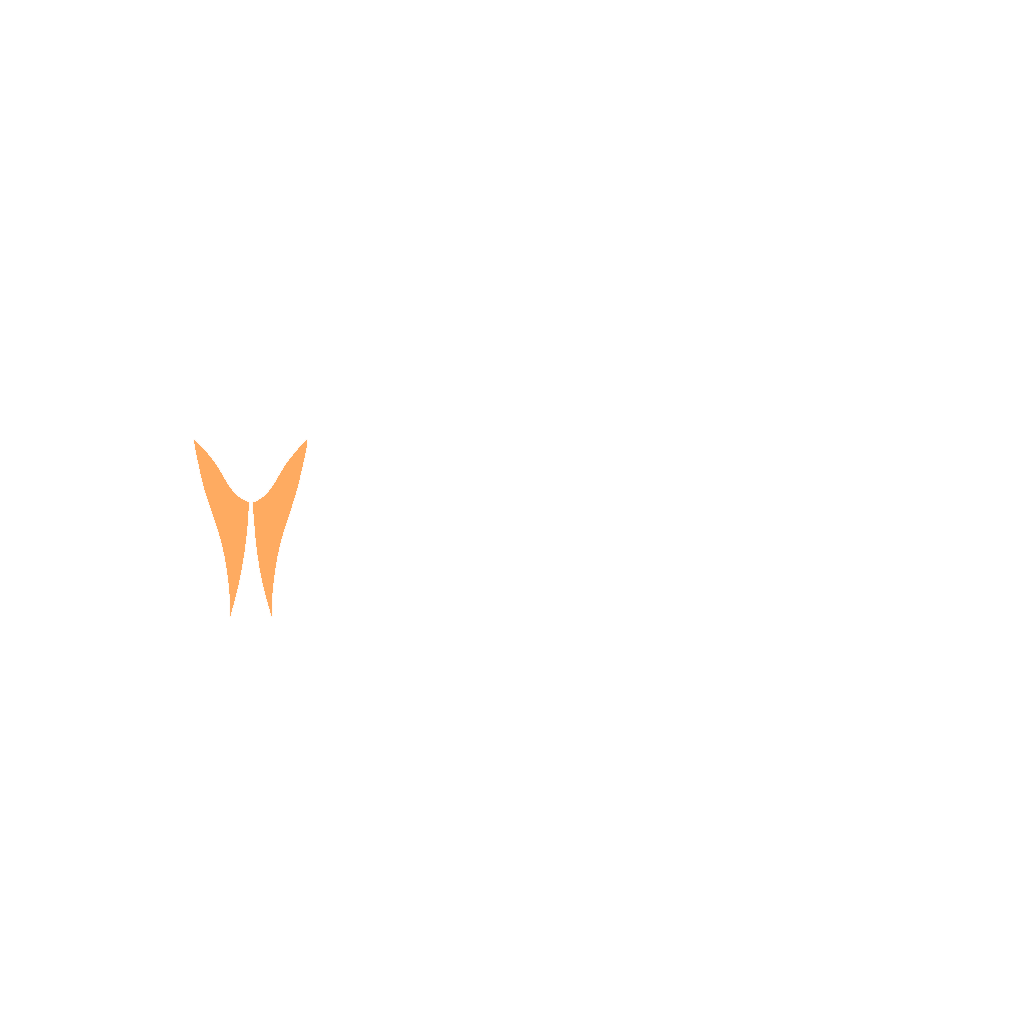

- Target
- Abdominal External Oblique, Triceps Brachii Long Head, Triceps Brachii Lateral Head, Triceps Brachii Medial Head
- Secondary
- Deltoid Anterior, Pectoralis Major Sternocostal, Adductor Longus, Adductor Magnus
- Tertiary
- Upper Rectus Abdominals, Lower Rectus Abdominals, Trapezius Lower, Extensors
How to do it
- 1
Warm the wrists and spine, then from a deep seated twist hook both thighs together over one upper arm.
- 2
Set both palms shoulder-width on the mat and grip the floor with the fingers.
- 3
Squeeze the legs together and press them onto the arm so they move as a single unit.
- 4
Bend the elbows into a chaturanga line and shift the weight forward onto the hands.
- 5
Float both feet up and extend the legs long to the side at hip height.
- 6
Reach through both heels to counterbalance, hold the twist, then lower and switch sides.
Tips
- Keep the inner thighs glued together, if the legs separate the lever destabilizes and slides off the arm.
- Reach the feet strongly to the side so the legs counterweight the chest lowering forward.
- Keep both elbows tucked and even over the wrists, and rehearse the tip point over a cushion with a spotter.
Variations
Common mistakes
- The knees drift apart as the legs extend, and the moment they separate the lever narrows and both thighs begin sliding down the arm.
- Only the top thigh presses into the arm while the lower leg hangs below it, so half the lever is dead weight and the hips sag back toward the mat.
- The legs point down toward the floor instead of reaching out at hip height, which keeps the center of mass behind the hands where no amount of pressing will lift it.
- One elbow bends deeper than the other, tilting the platform and rolling you toward whichever side the legs hang on.
- Practice happens only on the side that feels natural, and this shape punishes an untrained side hard, because the clamp comes from one set of obliques.
Frequently asked
- What is a sensible way to start training Two-Legged Sage Pose?
- Four to six attempts per side of three to five seconds, a minute of rest between, one or two sessions a week, since the shape fails fast once the legs tire. Before you begin you should be able to hold a chaturanga line for fifteen seconds and sit in a deep seated twist with both shoulders past one knee. Alternate sides every attempt rather than finishing one side first, because the harder side deserves your fresh attempts and not your tired ones.
- How do I make Two-Legged Sage Pose easier or harder?
- Easier: keep the knees bent and the legs short instead of extending them, which shortens the lever and makes the clamp far easier to hold. Leaving the bottom foot's toes on the mat as a kickstand does the same job, and blocks under the hands buy room for the legs to travel. Harder: extend to hip height and hold for several breaths, lower and re-lift the legs without touching down, or exit by folding the knees in and pressing back to a chaturanga. Squeezing a folded towel between the thighs trains the inner-thigh grip the shape runs on.
- What does Two-Legged Sage Pose train, and who should leave it alone?
- It asks the obliques to hold a rotated trunk while the adductors weld the legs into one lever and the triceps press the body up, which is why it sits near the end of an arm-balance progression rather than in a general routine. It builds very little raw strength on its own. Leave it out with any wrist, elbow or shoulder complaint, and leave it out if a deep seated twist already pinches the low back, because the entry starts there. For the same muscles with no skill demand, side planks and hollow holds get you further per minute.
Related exercises
Other movements among FitRay's 2,000+ exercises that load the same target muscle — same equipment and level first.
- AdvancedCrane PoseBody Weight · Abs · Shoulder
- AdvancedCrow PoseBody Weight · Abs · Shoulder
- AdvancedCrow to Tripod HeadstandBody Weight · Abs · Shoulder
- AdvancedEight-Angle PoseBody Weight · Abs · Shoulder
- AdvancedFirefly PoseBody Weight · Abs · Triceps
- AdvancedFlying Crow PoseBody Weight · Abs · Shoulder