V-Squat Machine
The V-squat guides you down and back along a fixed arc with your shoulders under yoke pads and your back supported, so you get much of the loading of a squat with none of the balance demand. The fixed groove lets you push the quads and glutes close to failure safely, and foot placement lets you bias the quads or share load with the hips. It is a beginner-friendly, back-supported way to train the legs heavy.
- Equipment
- Machine
- Type
- Strength
- Browse by muscle
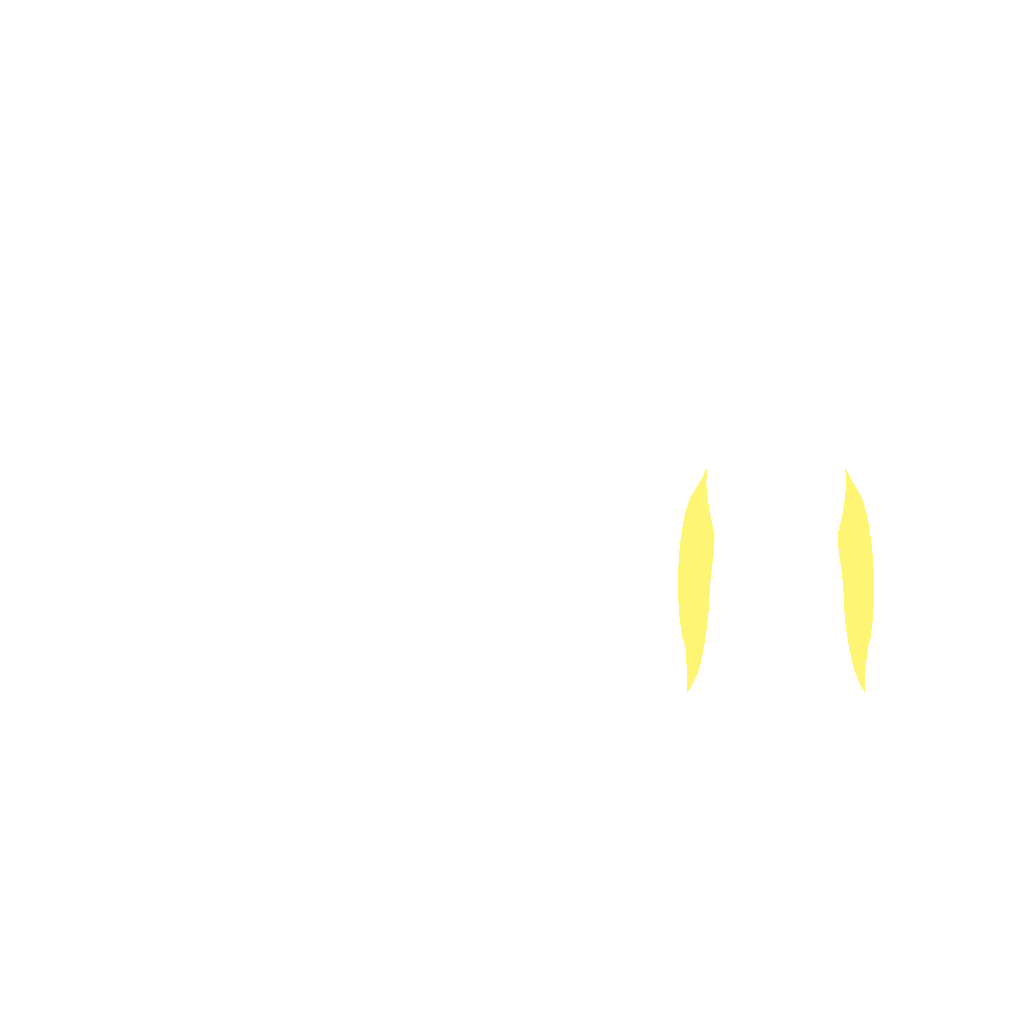
- Rectus Femoris, Vastus Lateralis
- Browse by movement
- Squat





- Target
- Rectus Femoris, Vastus Lateralis
- Secondary
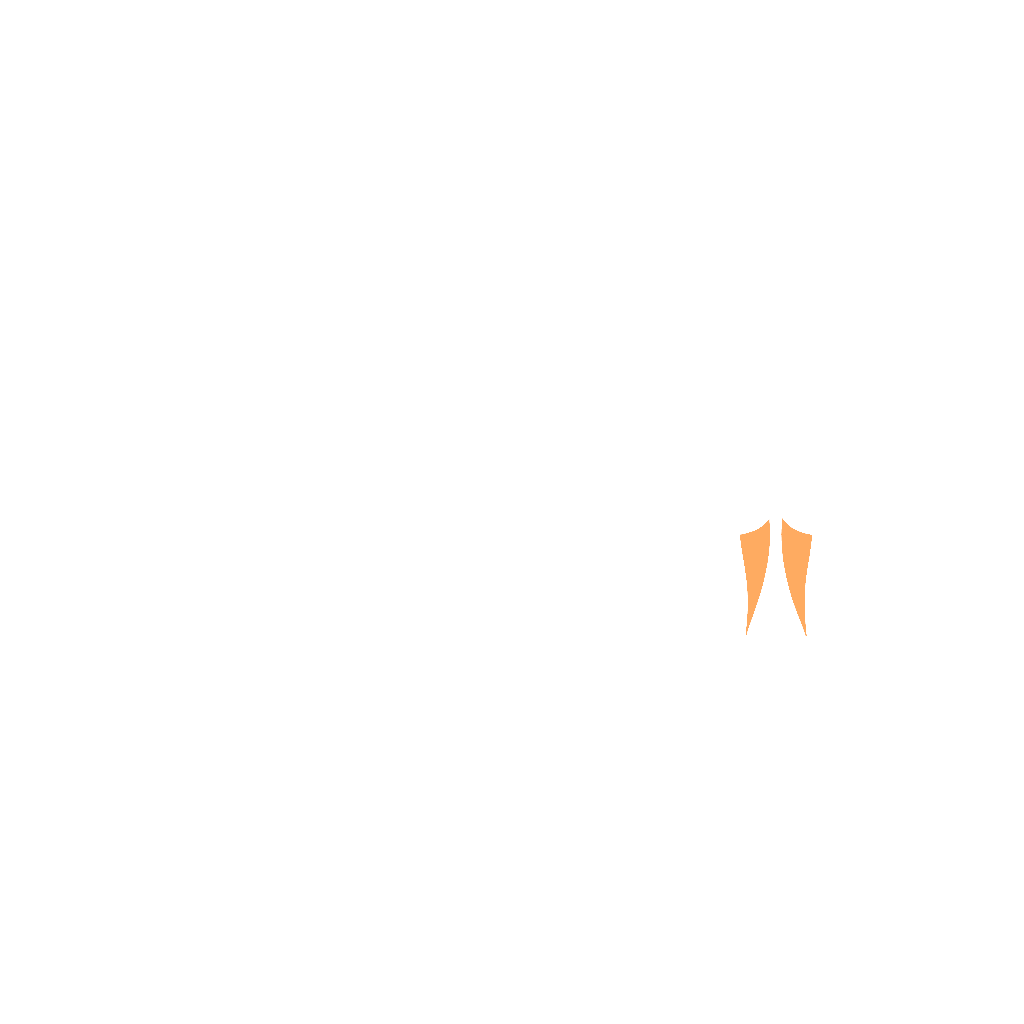
- Gluteus Maximus, Adductor Magnus
- Tertiary
- Biceps Femoris
How to do it
- 1
Duck under the shoulder pads and set your feet on the platform around shoulder-width.
- 2
Stand up to unrack the weight and rotate the safety handles clear.
- 3
Brace the core and lower by bending the knees as the carriage travels down its arc.
- 4
Descend until the thighs reach at least parallel with the back flat against the pad.
- 5
Drive through the mid-foot to press back up along the machine's path.
- 6
Re-engage the safeties before stepping out from under the pads.
Tips
- A lower foot position drives more quad work; a higher one shares load with the glutes.
- Keep the whole back pressed into the pad so the hips do not round off it at the bottom.
- Control the descent through the deep stretch rather than dropping into the bottom.
Variations
Common mistakes
- Feet planted too close to the body shorten the arc's usable range and push the knees forward past a comfortable line long before the thighs reach parallel.
- Forgetting to rotate the safety handles back into place before stepping out leaves the carriage resting on nothing but your legs at the worst possible moment.
- The heels lift as the weight gets heavy, since the fixed path lets the machine keep moving even when the foot position underneath it has broken down.
- Bouncing out of the bottom off the pad's cushion borrows spring from the machine instead of strength from the legs.
- The same foot placement gets used every session regardless of whether quads or glutes need more work, ignoring the one adjustment this machine actually offers.
Frequently asked
- How many sets and reps on the V-squat machine should a beginner do?
- Start with 3 sets of 10 to 12 reps at a weight that lets you keep your back flat against the pad through every rep. Add weight in small plates once you can control both the descent and the lockout without your heels lifting.
- What can you do instead of the V-squat machine if your gym doesn't have one?
- A leg press machine gives a similar back-supported, fixed-path squat pattern and is far more common in gyms. Without any machine at all, a goblet squat with a dumbbell or kettlebell trains the same quad-and-glute range, minus the back support.
- What is the V-squat machine good for, and when should you use a free-standing squat instead?
- The fixed path and back support let you push the legs close to failure safely, which makes it a good beginner-friendly way to build quad and glute strength without a balance demand. Choose a free-standing squat instead if your goal includes building the balance, bracing, and coordination that a supported machine path removes entirely.
Related exercises
Other movements among FitRay's 2,000+ exercises that load the same target muscle — same equipment and level first.