Versaclimber
The Versaclimber puts you in an upright climbing position and asks the arms and legs to drive up and down together, spreading the effort across the whole body so it spikes the heart rate without any joint pounding. The legs push while the opposite arm pulls, which brings the glutes, quads, lats, and mid-back into every stroke. It is a brutally efficient conditioner for intervals or steady climbs.
- Equipment
- Machine
- Type
- Cardio
- Browse by muscle
- Gluteus Maximus, Rectus Femoris, Vastus Lateralis, Latissimus Dorsi














- Target
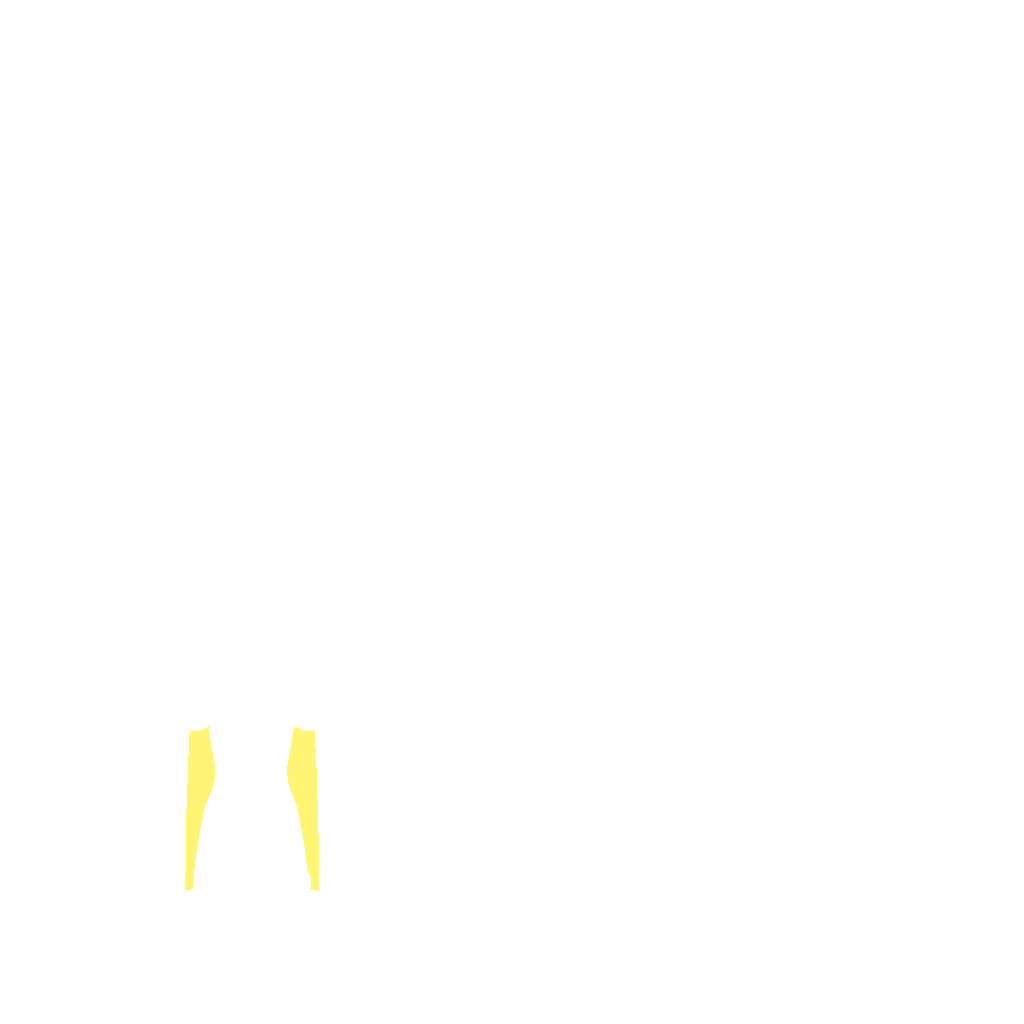
- Gluteus Maximus, Rectus Femoris, Vastus Lateralis, Latissimus Dorsi
- Secondary
- Biceps Femoris, Semitendinosus, Deltoid Posterior, Trapezius Middle, Gastrocnemius Medial Head, Gastrocnemius Lateral Head
- Tertiary
- Erector Spinae, Biceps Brachii Long Head, Soleus Gastrocnemius
How to do it
- 1
Set your feet in the pedals and grip the handles at about shoulder height.
- 2
Stand tall against the machine with a braced core and a slight forward lean.
- 3
Drive one leg down while pulling the opposite arm down in the same motion.
- 4
Reverse smoothly, extending that arm up as the other leg drives down.
- 5
Keep the strokes even in length and let the arms and legs share the load.
- 6
Shorten the stroke and slow the pace to cool down.
Tips
- Use a full stroke top to bottom rather than short, choppy pumps to move real distance per climb.
- Split the work between arms and legs; leaning entirely on the arms burns you out early.
- Keep the hips close to the machine so the line of pull stays vertical and efficient.
Variations
Common mistakes
- Stroke length gets set as long as the machine allows, so the hips rock side to side to reach the end of each stroke and the climb turns into a lurch.
- The grips get held above head height at the top of each stroke, which shrugs the shoulders and asks the lats to work through a range they cannot control.
- The legs never finish the stroke at the bottom, so the knees pump up and down while the glutes stay out of it and the quads carry the whole session.
- Arms and legs fall into a same-side rhythm rather than opposite ones, which fights the cross-body pattern the machine is built around and wastes effort.
- Sessions get run as flat 30-minute climbs because it sits in the cardio room, when the machine's real advantage is that ten hard minutes on it costs you more than thirty on a bike.
Frequently asked
- How long should you spend on the Versaclimber when you are new to the exercise?
- Ten to fifteen minutes total is plenty at first, and intervals suit the machine better than a steady climb: 30 seconds at a hard rate against 60 to 90 seconds easy, eight to ten times. If you would rather climb steadily, hold a pace where you could still speak in short sentences for ten minutes and add a couple of minutes a week. Watch the feet per minute on the display and use it to keep an interval honest, because effort here rises far faster than it does on a bike or a rower.
- What can I use instead of a Versaclimber?
- A stair climber is the nearest machine for the legs, and adding a set of lat pulldowns or band pull-downs between climbs brings the arms back into the picture. At home, alternate step-ups onto a knee-high step with a band anchored overhead that you pull down on every step, or climb real stairs two at a time. Bear crawls and mountain climbers get the arms and legs working together, though they load the shoulders far more and the legs far less than a climb does.
- Who is the Versaclimber best for, and when is it the wrong machine?
- It is low-impact whole-body conditioning: because the arms and legs share the work, the heart rate climbs fast with no pounding, which makes it a strong pick for interval days and for anyone protecting their knees. It is the wrong machine if your shoulders dislike repeated overhead reaching, since every stroke takes an arm above your head, and a rough choice for very deconditioned beginners, who tend to hit their ceiling within a minute. Runners chasing running-specific fitness should still run, because nothing here teaches the legs to handle landing.
Related exercises
Other movements among FitRay's 2,000+ exercises that load the same target muscle — same equipment and level first.
- IntermediateRowing MachineMachine · Back · Quads
- IntermediateAir BikeMachine · Quads · Shoulder
- IntermediateAir Bike SprintMachine · Glutes · Quads
- IntermediateAssisted Wide-Grip Pull-UpMachine · Back · Lats
- IntermediateBelt SquatMachine · Glutes · Quads
- IntermediateChest-Supported T-Bar RowMachine · Plate · Back