Wall Roll-Down
The wall roll-down is a gentle Pilates staple for teaching the spine to move segment by segment while the back extensors control the descent. Using the wall as feedback, you peel down from the head, hang to release the neck and shoulders, then restack the spine to standing. It is equal parts mobility drill and core-control primer, perfect at the start or end of a session.
- Equipment
- Body Weight
- Body part
- Back
- Type
- Functional, Pilates, Stretching
- Browse by muscle
- Erector Spinae


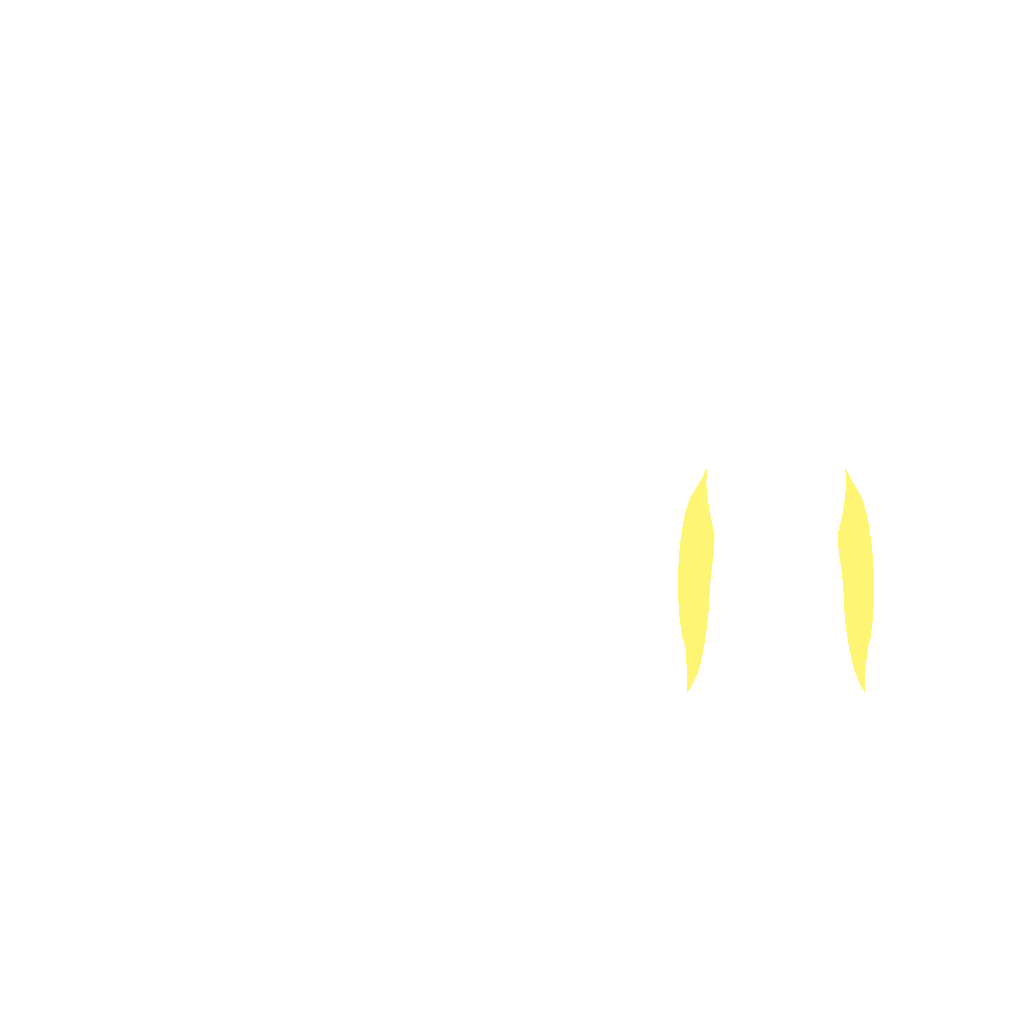




- Target
- Erector Spinae
- Secondary
- Upper Rectus Abdominals, Abdominal External Oblique
- Tertiary
- Biceps Femoris, Semitendinosus
How to do it
- 1
Stand with your back against a wall, feet a few inches forward, knees soft.
- 2
Drop the chin toward the chest and begin peeling the head away from the wall.
- 3
Roll down one vertebra at a time, letting the arms and neck hang heavy.
- 4
Descend only as far as your hamstrings comfortably allow.
- 5
Draw the low belly in and roll back up, restacking each segment against the wall.
- 6
Finish tall with the head stacked over the pelvis.
Tips
- Keep the knees softly bent so the roll comes from the spine, not the hips.
- Move slowly and evenly, pausing if any segment wants to move as a block.
- Let the head be the last thing to lift as you return to standing.
Variations
Common mistakes
- The feet start too close to the wall, so the hips have no room to shift back slightly and the body tips forward on the way down.
- The hips drift away from the wall midway through the roll, so the wall stops giving any feedback for the second half of the movement.
- Standing back up in one piece instead of restacking segment by segment skips the very control the wall is there to teach.
- As the chin tucks hard to start the roll, the neck strains forward instead of simply leading a relaxed peel away from the wall.
Frequently asked
- How many reps of the wall roll-down should a beginner do?
- Start with 3 to 5 slow roll-downs, pausing at the bottom for a couple of relaxed breaths before rolling back up. Once the movement feels smooth and even against the wall, add a few more reps or slow the roll down further rather than rushing through more sets.
- How do you make the wall roll-down easier or harder?
- To make it easier, keep more of the back in contact with the wall throughout and bend the knees more generously to shorten the hamstring stretch. To make it harder, step the feet a little further from the wall, or once comfortable, try the same roll-down freestanding without the wall for feedback.
- What is the wall roll-down good for, and when should you skip it?
- It teaches the spine to move segment by segment while the back extensors control the descent, making it a useful mobility and core-control primer at the start or end of a session. Skip it, or keep the range small, if you have a disc issue or sciatica that flares with forward bending, since rolling down flexes the spine through its full range.
Related exercises
Other movements among FitRay's 2,000+ exercises that load the same target muscle — same equipment and level first.