Wall Sit
The wall sit is an isometric quad builder that requires no equipment and no skill, making it a great entry point or a burnout finisher. Holding the bottom of a squat under constant tension builds quad endurance and teaches you to keep the knees stable under load. Time under tension is the whole game here.
- Equipment
- Body Weight
- Body part
- Quads
- Type
- Strength
- Browse by muscle
- Rectus Femoris, Vastus Lateralis
- Browse by movement
- Squat



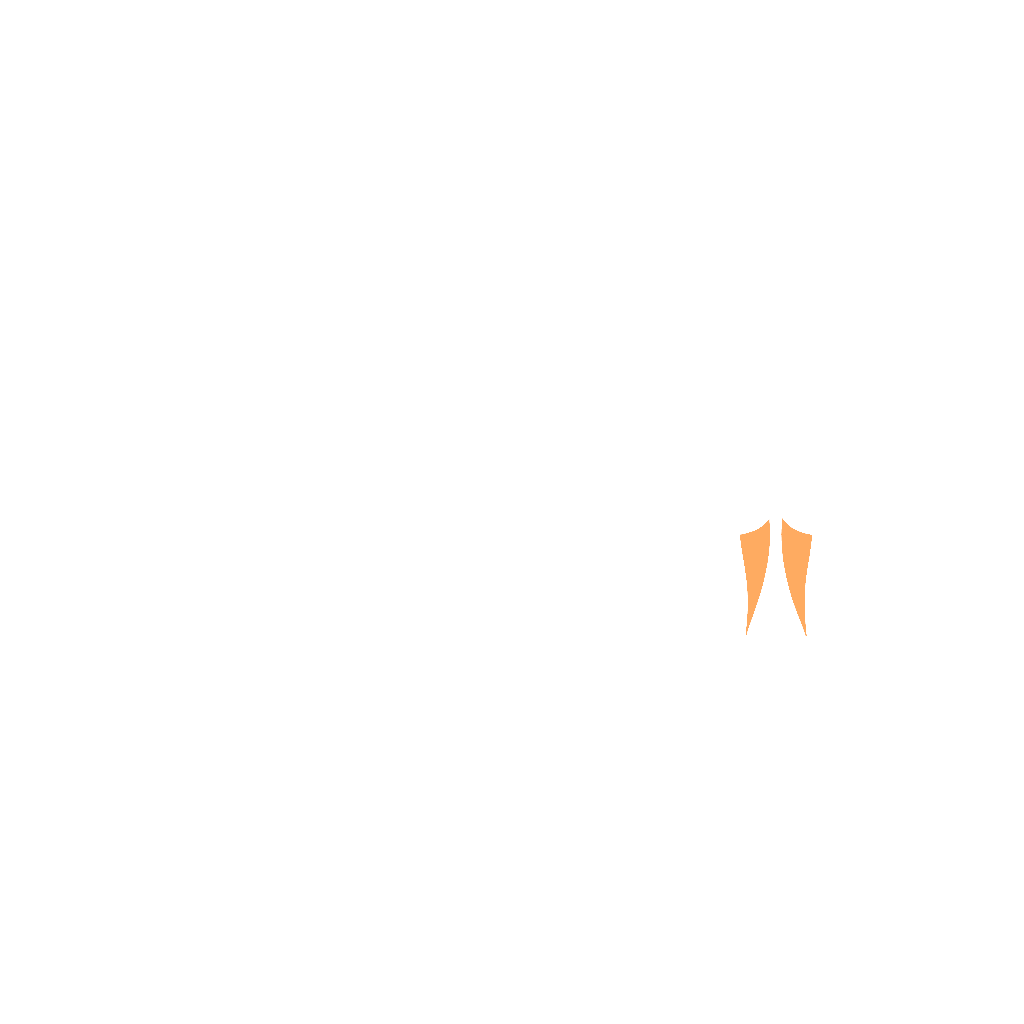


- Target
- Rectus Femoris, Vastus Lateralis
- Secondary
- Gluteus Maximus, Adductor Magnus
How to do it
- 1
Stand with your back against a wall and walk your feet out about two steps.
- 2
Slide down the wall until your thighs are parallel to the floor and your knees are over your ankles.
- 3
Press your entire back flat against the wall and set your feet shoulder-width.
- 4
Keep the knees bent at ninety degrees and hold the position with the quads under tension.
- 5
Breathe steadily throughout the hold rather than holding your breath.
- 6
Push through your heels and slide back up the wall when the set time is complete.
Tips
- Keep the knees stacked over the ankles, with the thighs and shins at a right angle; if the knees drift past the toes, walk your feet a little farther from the wall.
- Push your lower back into the wall to keep the load on the quads.
- Start with short holds and add time each week rather than sinking below parallel too soon.
Variations
Common mistakes
- The hips creep up the wall as the burn builds, and the last twenty seconds get spent in a half-squat that asks nothing of the quads; hold your parallel or end the set.
- Hands press down on the thighs to take some of the load, which quietly removes a share of the weight the quads were meant to hold; fold the arms or let them hang.
- The breath gets held to make the burn easier, which raises the pressure in your chest and head for no benefit at all; keep breathing in an even rhythm.
- The knees drift toward each other as the quads fatigue; keep each one pointing in line with the second toe so the load stays spread across the thigh.
- Heels lift and the weight rolls onto the toes, which shortens the position and takes the quads out of it; press the whole foot down, heels included.
Frequently asked
- How long should a beginner hold a wall sit?
- Three holds of 30 to 45 seconds with a minute of rest is a fair start, and 20 seconds is a perfectly reasonable first attempt. Two or three sessions a week is enough. Once you can hold a full minute at parallel without the hips creeping up, stop adding time and change the exercise instead: put weight on the thighs, take one foot off the floor, or move on to loaded squats.
- How do I make the wall sit easier or harder?
- To make it easier, slide only partway down so the thighs sit above parallel, or shorten the hold and do more rounds. To make it harder, rest a plate or a loaded backpack on the thighs, lift one foot a couple of inches off the floor, raise the heels, or hold the arms straight out in front of you. Once you are past a minute, adding load beats adding time.
- What is the wall sit good for?
- It builds quad endurance and teaches you to hold a knee position under fatigue with no equipment, no skill and almost nothing asked of the spine, which suits beginners, skiers and cyclists, and works well as a finisher. It is a poor choice as your main leg exercise, because a hold at one joint angle builds little strength through a full range and not much size. If the front of your knee is sore, sit higher and shorten the hold rather than pushing through it.
Related exercises
Other movements among FitRay's 2,000+ exercises that load the same target muscle — same equipment and level first.
- BeginnerBarre Wall-Sit PulseBody Weight · Glutes · Quads
- BeginnerBob-and-Weave DrillBody Weight · Abs · Quads
- BeginnerChair PoseBody Weight · Glutes · Quads
- BeginnerDemi-Plie Pulse (First Position)Body Weight · Quads · Thighs
- BeginnerGoddess PoseBody Weight · Quads · Thighs
- BeginnerGrand Plie Isometric Hold (First Position)Body Weight · Glutes · Quads