Goddess Pose
Goddess Pose is a sustained wide-stance squat that lights up the quads and glutes while the turned-out stance stretches and strengthens the inner thighs. The glute medius works to keep the knees tracking outward instead of caving in. Held with the arms raised, it becomes a scalable lower-body endurance challenge that suits almost any level by adjusting the depth.
- Equipment
- Body Weight
- Type
- Strength, Yoga
- Browse by muscle
- Rectus Femoris, Vastus Lateralis
- Browse by movement
- Squat


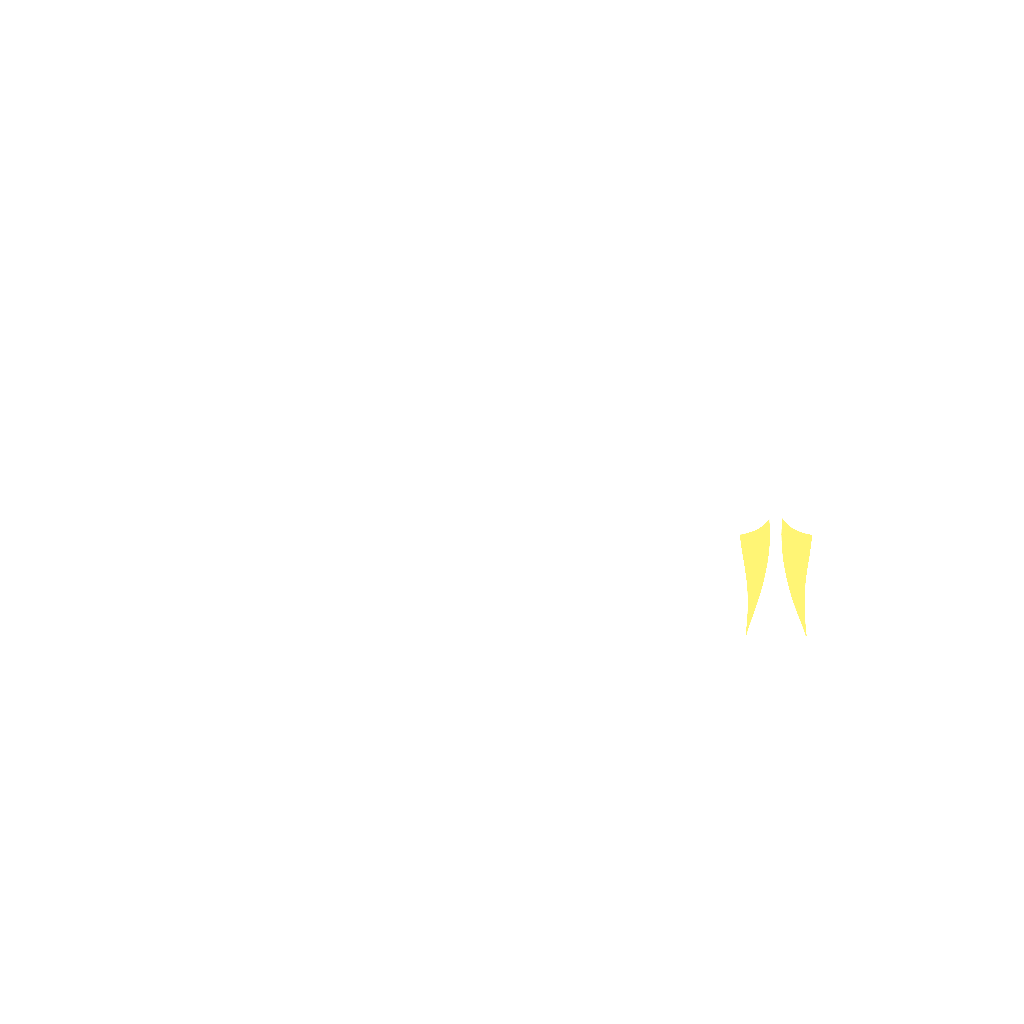
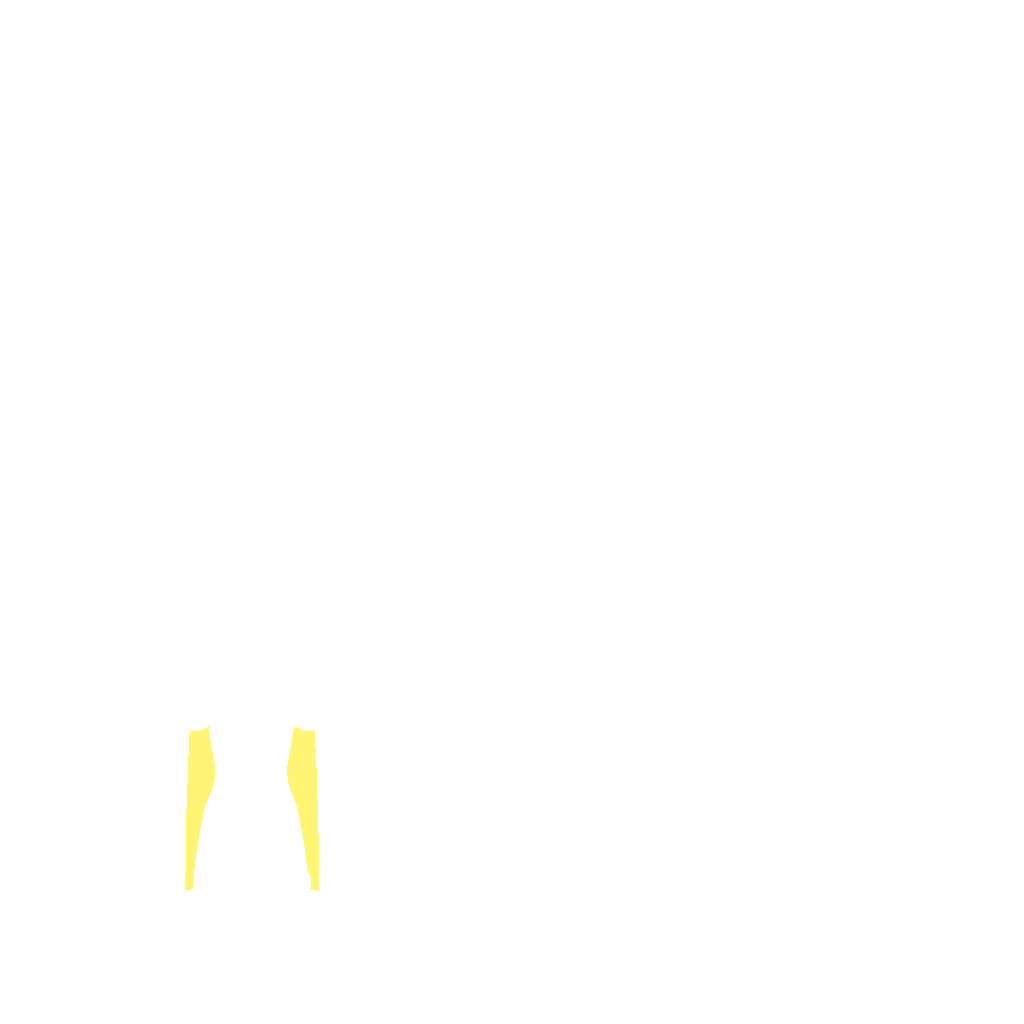




- Target
- Rectus Femoris, Vastus Lateralis
- Secondary
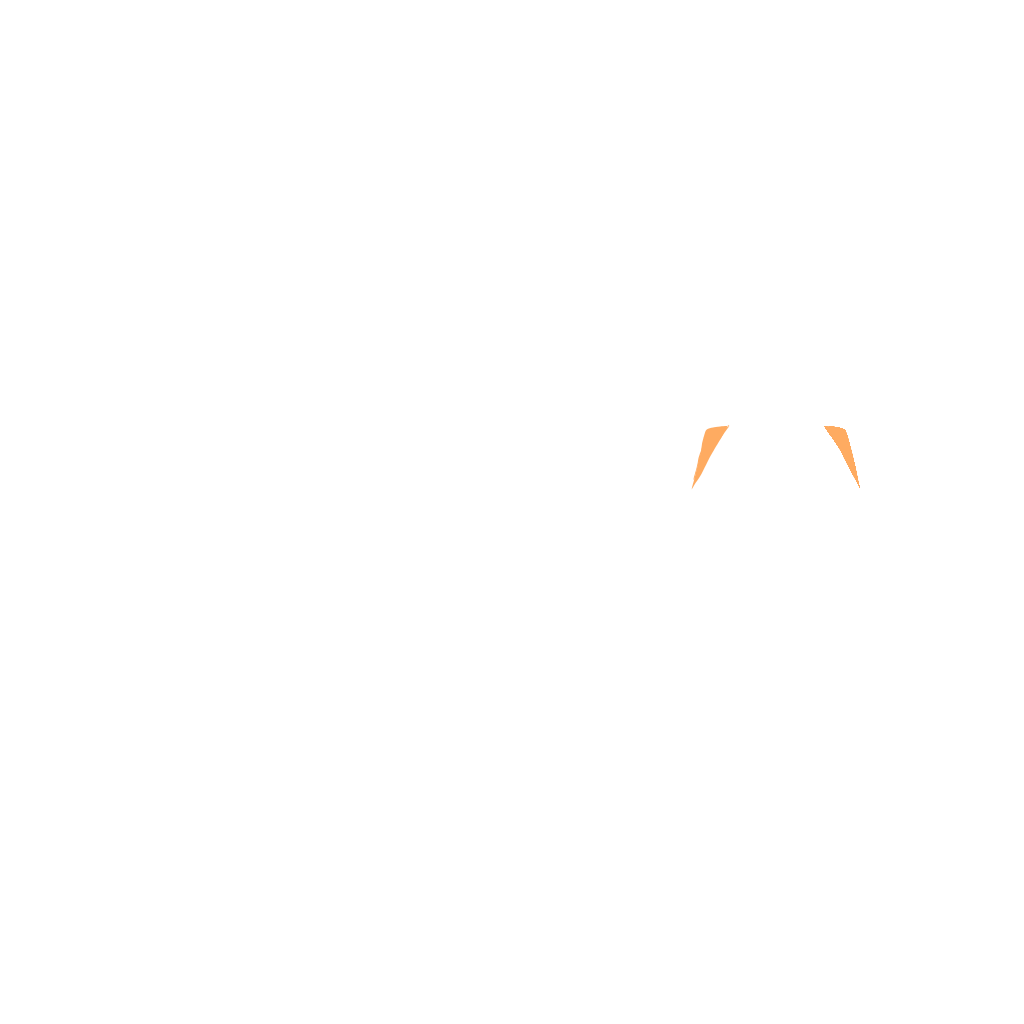
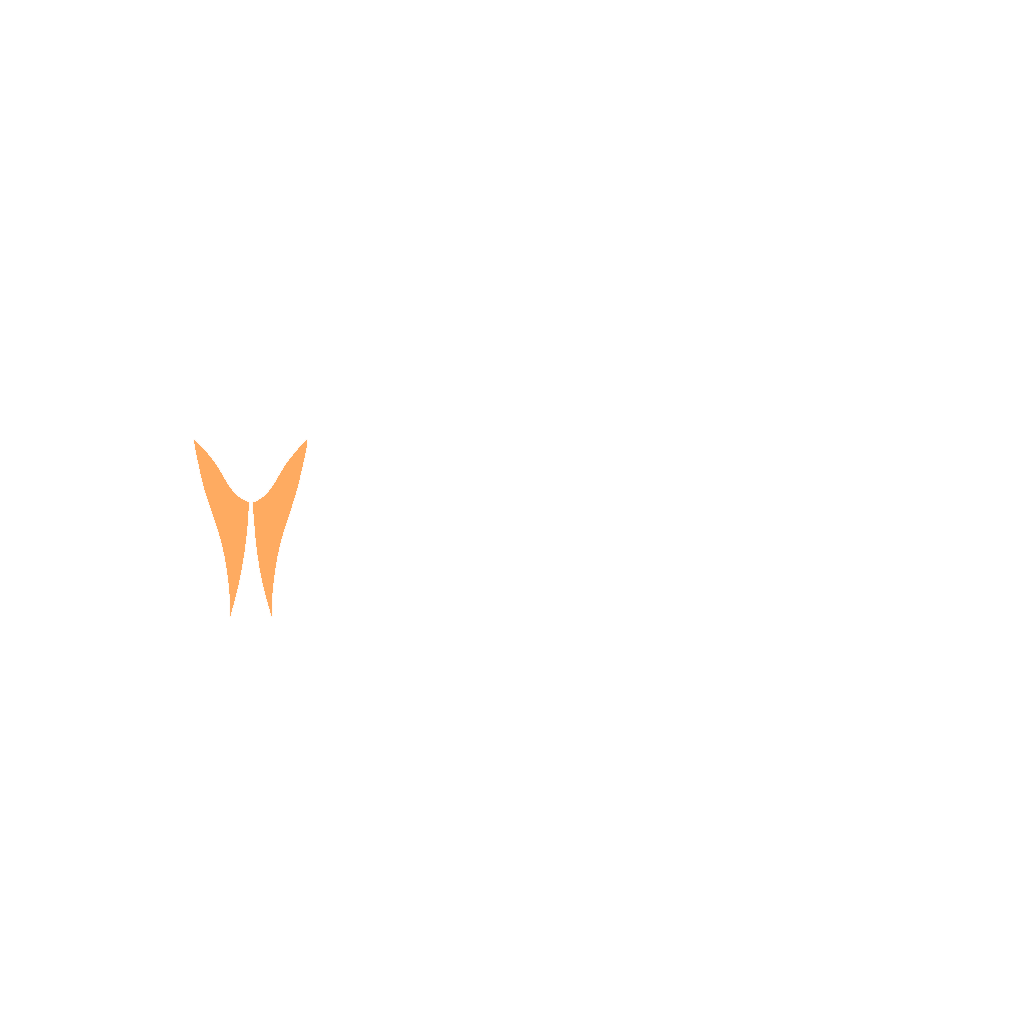
- Gluteus Maximus, Gluteus Medius, Adductor Longus
- Tertiary
- Adductor Magnus, Soleus Gastrocnemius, Deltoid Anterior
How to do it
- 1
Step the feet wide and turn the toes out to about 45 degrees.
- 2
Bend the knees and sink the hips down toward knee height.
- 3
Track the knees out over the middle toes, not letting them collapse inward.
- 4
Keep the torso upright with the tailbone reaching down.
- 5
Raise the arms to shoulder height or overhead, whichever keeps the shoulders relaxed.
- 6
Hold with steady breath, then press through the feet to rise.
Tips
- Press the knees actively outward to engage the glutes and protect the joints.
- Keep the heels grounded and the weight spread across both feet.
- Stack the shoulders over the hips so the chest does not pitch forward.
Variations
Common mistakes
- The stance is set too narrow for the turnout, so the knees have to travel out past the toes to find any depth; step wider before you sink lower.
- The toes get turned out toward ninety degrees while the knees cannot follow that far, which twists the load into the inside of the knees; about forty-five degrees is enough.
- The tailbone tips back and the low back arches to keep the chest tall, when the pelvis should be dropping straight down between the feet.
- Weight rolls onto the outer edges of the feet as the knees press wide, so the arches lift and the inner thighs stop taking their share.
- Arms go overhead because that is how the pose looks in pictures, and the front ribs flare to allow it; keep them at shoulder height until the shoulders can lift without the ribs coming along.
Frequently asked
- How deep and how long should I hold Goddess Pose as a beginner?
- Start at 20 to 30 seconds, two or three rounds, and choose a depth you can hold for the whole count rather than one you sink into and then abandon. Building to a minute is a real achievement for the quads and adductors. Because depth is adjustable, this is one of the easiest poses to progress: keep the time the same and go an inch lower, or keep the depth and add fifteen seconds. Three times a week is enough for the legs to notice.
- How do I make Goddess Pose less demanding, and how do I add challenge?
- Easier: bend the knees less, stand with your back against a wall so you can slide down only as far as is comfortable, and rest the hands on the thighs. Harder: sink until the thighs approach parallel with the floor, hold longer, rise onto the balls of the feet for part of the hold, or pulse an inch up and down for ten reps at the end. Holding a dumbbell or kettlebell at the chest turns it into a genuine strength set, and slow heel raises in the low position light up the calves as well.
- What is Goddess Pose actually training, and when is a loaded squat the better option?
- It builds endurance in the quads, glutes and inner thighs and opens the hips in a stance many people find easier than a feet-forward squat, which makes it a good option for anyone whose ankles limit a normal squat. Choose something else when you want strength: a loaded squat or split squat progresses far faster. Reduce the depth rather than pushing through if the knees complain, and keep the hold short if standing still with bent knees makes your low back ache.
Related exercises
Other movements among FitRay's 2,000+ exercises that load the same target muscle — same equipment and level first.
- BeginnerBarre Wall-Sit PulseBody Weight · Glutes · Quads
- BeginnerBob-and-Weave DrillBody Weight · Abs · Quads
- BeginnerChair PoseBody Weight · Glutes · Quads
- BeginnerDemi-Plie Pulse (First Position)Body Weight · Quads · Thighs
- BeginnerGrand Plie Isometric Hold (First Position)Body Weight · Glutes · Quads
- BeginnerGrand Plie Pulse (Second Position)Body Weight · Glutes · Quads