Weighted Shadow Boxing
Adding light dumbbells to shadow rounds increases the load on the delts and chest through the full punching range, building the muscular endurance that keeps hands up late in a fight. Keep the weight genuinely light so mechanics stay clean and the shoulders are not overstressed. Follow the round by dropping the weights and shadow boxing free to feel the speed carry over.
- Equipment
- Dumbbell
- Type
- Cardio, Functional
- Browse by muscle
- Deltoid Anterior, Pectoralis Major Clavicular, Abdominal External Oblique
- Browse by movement
- Horizontal Press, Rotation









- Target
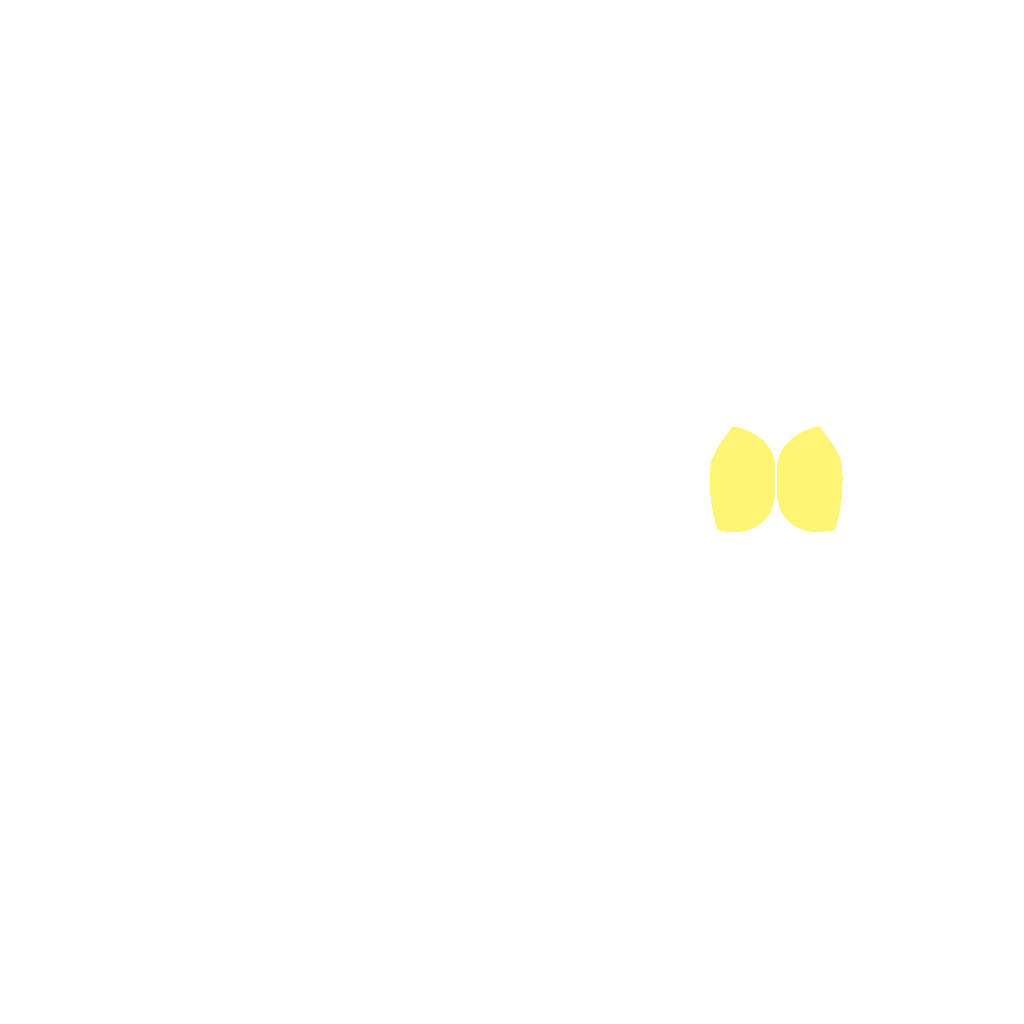
- Deltoid Anterior, Pectoralis Major Clavicular, Abdominal External Oblique
- Secondary
- Deltoid Middle, Triceps Brachii Lateral Head, Pectoralis Major Sternocostal
- Tertiary
- Gluteus Maximus, Rectus Femoris
How to do it
- 1
Hold a light dumbbell in each hand, roughly one to three pounds, with a firm grip.
- 2
Set a boxing stance with hands high and elbows in.
- 3
Throw straight punches, hooks, and uppercuts at controlled speed.
- 4
Keep each punch under control and return the hand to guard every time.
- 5
Add head movement and footwork between punches to keep it dynamic.
- 6
Work in short rounds, then set the weights down and shadow box light and fast.
Tips
- Use a light load; heavy dumbbells wreck timing and stress the shoulder joint.
- Never hyperextend the elbow at full extension with weight in hand.
- Keep the rounds short so form does not degrade under fatigue.
Variations
Common mistakes
- Loosening the grip on the dumbbells as the forearms fatigue mid-round risks a dropped weight during a fast combination.
- Elbows flare out away from the body during straight punches instead of staying tucked in, adding shoulder strain that the light load is not meant to create.
- Some lifters skip the free shadow boxing at the end of the round entirely, missing the speed-contrast that is the actual point of adding and then dropping the weight.
- Punches snap out at full speed from the first rep instead of controlled speed, turning light dumbbells into a fast, uncontrolled swinging load.
- Footwork and head movement disappear once the weights come out, leaving the round as stationary arm punches instead of the dynamic combination the drill calls for.
Frequently asked
- How many rounds of Weighted Shadow Boxing should you do when you are new to the exercise?
- Start with 2 to 3 rounds of 1 to 2 minutes with 1-pound dumbbells, following each round with 30 to 60 seconds of free, fast shadow boxing without weight. Add a round or move up to slightly heavier dumbbells only once your punches stay technically clean for the whole round.
- What can I use instead of dumbbells for Weighted Shadow Boxing?
- Small water bottles, socks filled with rice, or light ankle weights held in the fist all work as long as they are genuinely light. If you have nothing suitable at all, skip the added load and just shadow box at a deliberately slower, more controlled tempo to get a similar endurance effect on the shoulders.
- What is Weighted Shadow Boxing good for?
- It builds shoulder and chest muscular endurance through the full punching range, which helps fighters keep their hands up late in a round, so it suits intermediate boxers past the point of learning basic technique. It is a poor choice for anyone with existing shoulder pain, since even light repeated punching under load can aggravate an already irritated joint.
Related exercises
Other movements among FitRay's 2,000+ exercises that load the same target muscle — same equipment and level first.
- IntermediateIncline Dumbbell PressBench · Dumbbell · Chest
- IntermediateDumbbell WindmillDumbbell · Abs · Shoulder
- IntermediateSingle-Arm Incline Dumbbell PressBench · Dumbbell · Chest
- AdvancedDevil PressDumbbell · Glutes · Shoulder
- AdvancedDumbbell Bent PressDumbbell · Abs · Shoulder
- AdvancedMan MakerDumbbell · Back · Shoulder