Dumbbell Windmill
The windmill blends a hip hinge with a controlled side bend under an overhead load, forging obliques, hamstrings, and shoulder stability all at once. Keeping one dumbbell fixed overhead while the free hand tracks down the leg builds the kind of rotational trunk control that protects the spine in sport. Use it as accessory core work or as mobility-with-load between heavier lifts.
- Equipment
- Dumbbell
- Type
- Balance, Strength
- Browse by muscle
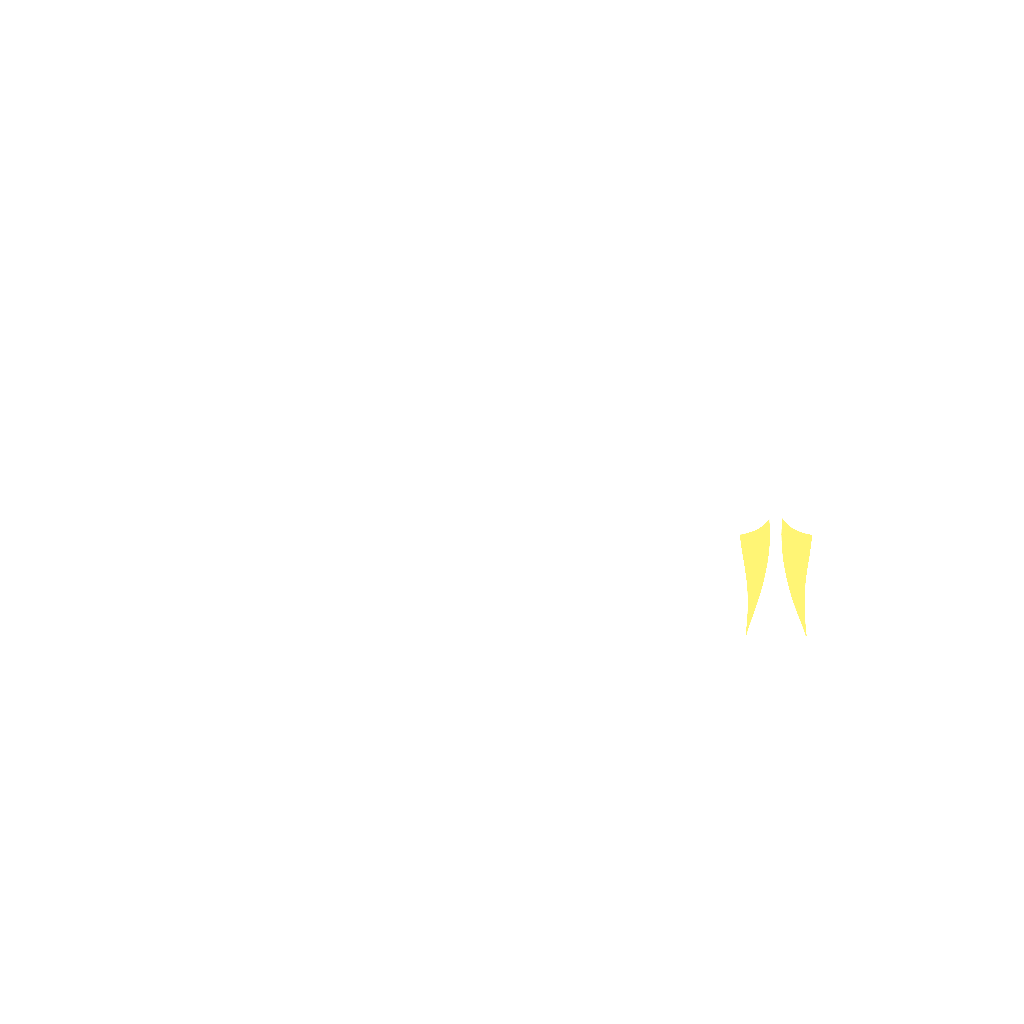
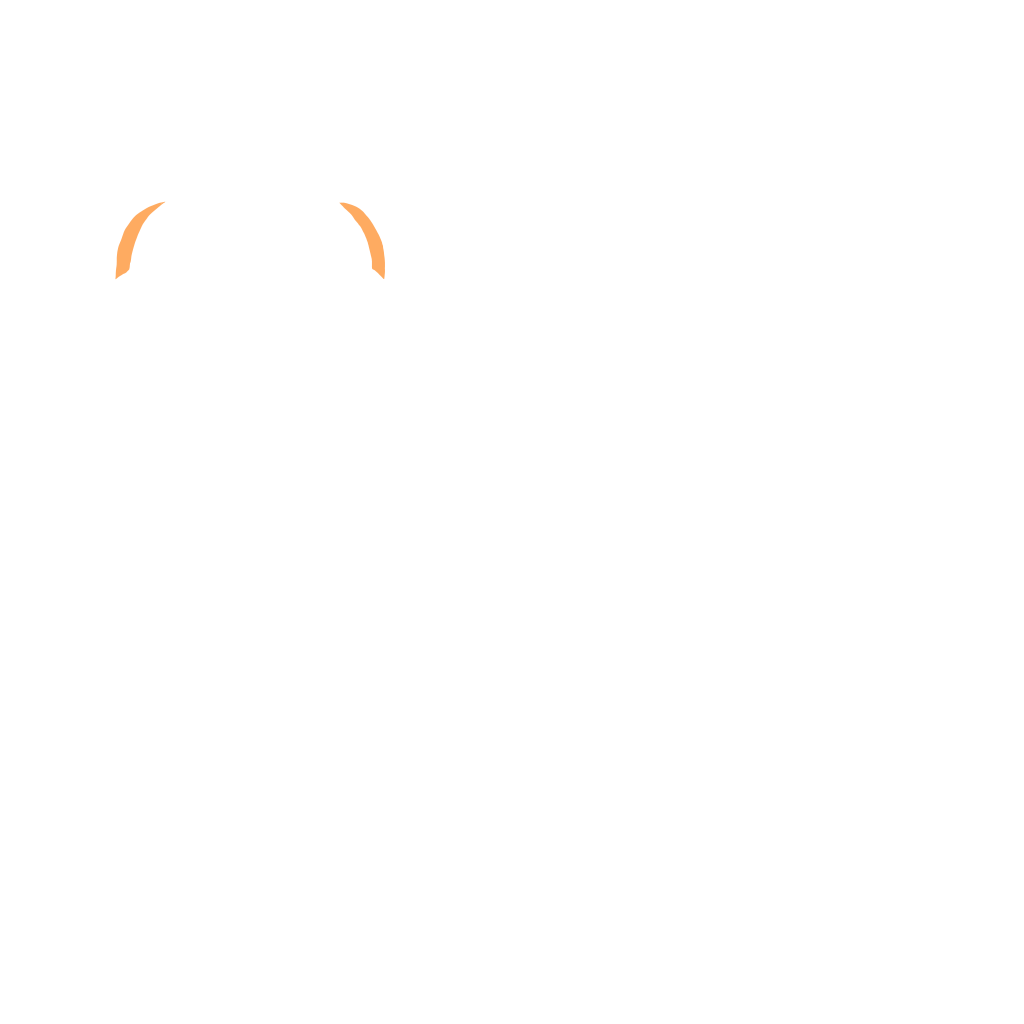
- Abdominal External Oblique, Gluteus Maximus, Biceps Femoris









- Target
- Abdominal External Oblique, Gluteus Maximus, Biceps Femoris
- Secondary
- Erector Spinae, Deltoid Anterior, Deltoid Middle
- Tertiary
- Semitendinosus, Adductor Magnus, Upper Rectus Abdominals
How to do it
- 1
Press a dumbbell to lockout overhead and set your feet a bit wider than shoulder-width.
- 2
Turn your toes roughly forty-five degrees away from the loaded arm and keep the eyes on the bell.
- 3
Push the hip under the loaded arm out to the side as you hinge and reach the free hand down the front leg.
- 4
Lower under control until your torso is close to parallel, arm still locked overhead.
- 5
Keep the overhead arm vertical and the back flat throughout the descent.
- 6
Reverse by driving the hip back under you to stand tall, then repeat for reps before switching sides.
Tips
- Move at the hips, not the waist; think hinge and side bend rather than a pure crunch to the side.
- Keep your gaze locked on the overhead dumbbell so the shoulder stays stacked and stable.
- Only descend as far as you can keep a flat back and a fully locked overhead arm.
Variations
Common mistakes
- The front toes stay pointed forward instead of turning about forty-five degrees away from the loaded arm, which pinches the hip instead of opening it.
- Losing the flat back before the torso reaches parallel is the sign to stop there for the day; pushing past it just to hit a range number defeats the point.
- The overhead elbow softens as fatigue sets in late in a set, and a bent elbow overhead under load is a different, riskier position than a locked one.
- Once the gaze leaves the dumbbell, the shoulder above it tends to drift out of the stacked position within a rep or two.
Frequently asked
- How many reps of the dumbbell windmill should you do when you are new to the exercise?
- Start with two to three sets of five reps per side with a light dumbbell, treating the first sessions as range-finding rather than a real set. Add depth only as far as you can keep the back flat and the overhead arm locked; add reps before you add weight.
- What can you use instead of a dumbbell for the windmill?
- A kettlebell windmill trains the same hip-hinge-under-overhead-lockout pattern with a rounder grip that some people find kinder on the wrist. With no weight, you can still drill the hip-push-and-reach shape empty-handed to learn the movement before adding any load.
- What does the dumbbell windmill train, and when should you skip it?
- It combines a hip hinge, oblique control, and overhead shoulder stability in one movement, useful accessory work for anyone who presses or rotates in sport. Skip it if tight hamstrings force the low back to round before the torso gets close to parallel, or if you have shoulder pain in a locked overhead position.
Related exercises
Other movements among FitRay's 2,000+ exercises that load the same target muscle — same equipment and level first.
- IntermediateDumbbell Deadlift to High PullDumbbell · Glutes · Traps
- IntermediateDumbbell SwingDumbbell · Glutes · Hamstring
- IntermediateSingle-Arm Dumbbell Clean and PressDumbbell · Shoulder · Traps
- IntermediateB-Stance Hip ThrustBench · Dumbbell · Glutes
- IntermediateB-Stance Romanian DeadliftDumbbell · Glutes · Hamstring
- IntermediateDumbbell CleanDumbbell · Glutes · Hamstring