Alligator Crawl
The alligator crawl is essentially a traveling push-up: you keep the chest low and bent-armed while walking the hands forward, so every step is a mini press for the chest and triceps. The legs trail and drive from the toes while the core keeps the hips from dropping. It delivers a brutal pressing-endurance stimulus with zero equipment, making it a go-to finisher when you want to torch the pushing muscles and the lungs at once.
- Equipment
- Body Weight
- Type
- Cardio, Functional
- Browse by muscle
- Pectoralis Major Sternocostal, Triceps Brachii Long Head, Triceps Brachii Lateral Head, Triceps Brachii Medial Head
- Browse by movement
- Horizontal Press



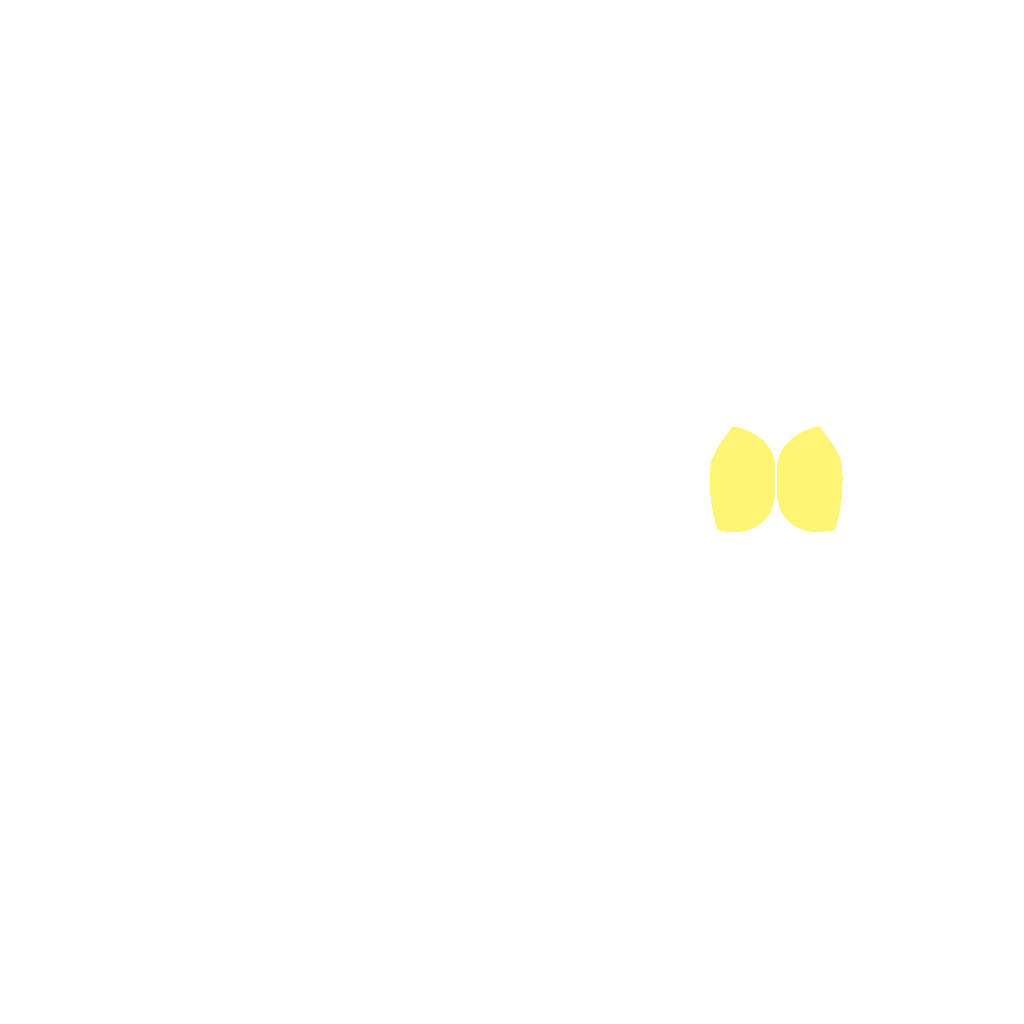




- Target
- Pectoralis Major Sternocostal, Triceps Brachii Long Head, Triceps Brachii Lateral Head, Triceps Brachii Medial Head
- Secondary
- Deltoid Anterior, Abdominal External Oblique, Rectus Femoris
- Tertiary
- Upper Rectus Abdominals, Gluteus Maximus
How to do it
- 1
Set up in a push-up position and bend the elbows to lower the chest toward the floor.
- 2
Keep the body low and long, hips in line with the shoulders.
- 3
Reach the right hand forward and pull yourself along as the left leg drives from the toe.
- 4
Follow with the left hand and right leg, staying low the entire time.
- 5
Press just enough to travel while keeping the chest close to the ground.
- 6
Crawl for the set distance, then reset and repeat.
Tips
- Keep the elbows tucked toward the ribs to protect the shoulders.
- Do not let the hips sag or pike; hold a firm plank as you move.
- Drive hard off the trailing toes to help the arms pull you forward.
- Shorten the crawl before you let your form break down under fatigue.
Variations
Common mistakes
- Same-side hand and foot end up travelling together, which is the lizard pattern; the alligator moves opposite hand and foot so the trailing toe can drive the reaching arm forward.
- Once the metres add up, the elbows quietly straighten and the crawl turns into a bear crawl with a low head; if the arms are locked, the chest and triceps have stopped paying.
- Rough concrete takes the skin off the tops of the toes and the palms within a few metres; use a mat, grass, or a gym floor and stay up on the balls of the feet.
- Breath goes shallow and gets held because the chest is pressed near the floor, so the arms quit from lack of air well before the pecs are finished; breathe in time with the steps.
- The line wanders because the stronger arm pulls further on every step, and by ten metres you have crabbed sideways; pick a floor seam and crawl along it.
Frequently asked
- How far should I alligator crawl per set, and what should I own first?
- Own 20 to 25 push-ups and a comfortable hold at the bottom of one. Then four or five sets of 5 metres with 90 seconds of rest, treating each trip as a pressing set rather than cardio. Build toward 10 metres a trip. Run it at the end of a session, not before your pressing work, and keep it to once or twice a week while the shoulders adapt.
- How can I scale the alligator crawl up or down?
- Scaling comes down to how much of the push-up you travel in. Lifting the chest to roughly half depth turns it into a fast crawl you can sustain for 20 metres, and taking shorter hand steps means less pressing per metre. Resting two minutes between trips instead of 90 seconds changes the difficulty as much as moving the position does. To load it up, keep the chest a fist from the floor, pause on the trailing toe at every step, crawl up a gentle slope, wear a light vest, or set a clock and travel for time rather than for a fixed distance.
- Who should be doing the alligator crawl, and when is it the wrong pick?
- It suits anyone who wants a hard pressing-endurance and conditioning hit with no equipment, since it is essentially a traveling push-up for the chest and triceps and works well as a finisher. It is a poor choice for building pressing strength, because you cannot load it. Skip it while the shoulders or elbows are sore, and leave it out of the day or two before a heavy pressing session, since it leaves the arms flat.
Related exercises
Other movements among FitRay's 2,000+ exercises that load the same target muscle — same equipment and level first.
- Advanced90-Degree Handstand Push-UpBody Weight · Shoulder · Triceps
- AdvancedAdvanced Tuck Planche HoldBody Weight · Chest · Shoulder
- AdvancedArcher Push-UpBody Weight · Chest
- AdvancedClap Push-UpBody Weight · Chest
- AdvancedFull Planche HoldBody Weight · Chest · Shoulder
- AdvancedGrasshopper PoseBody Weight · Abs · Shoulder