Alternating Dumbbell Curl
Curling one arm at a time lets you focus attention on each biceps and makes any strength difference between the sides easy to spot. The brief rest each arm gets while the other works makes this a good choice for grinding out quality reps with a strong mind-muscle connection. It is beginner-friendly and easy to keep strict.
- Equipment
- Dumbbell
- Body part
- Biceps
- Type
- Strength
- Browse by muscle
- Biceps Brachii Long Head, Biceps Brachii Short Head
- Browse by movement
- Elbow Flexion


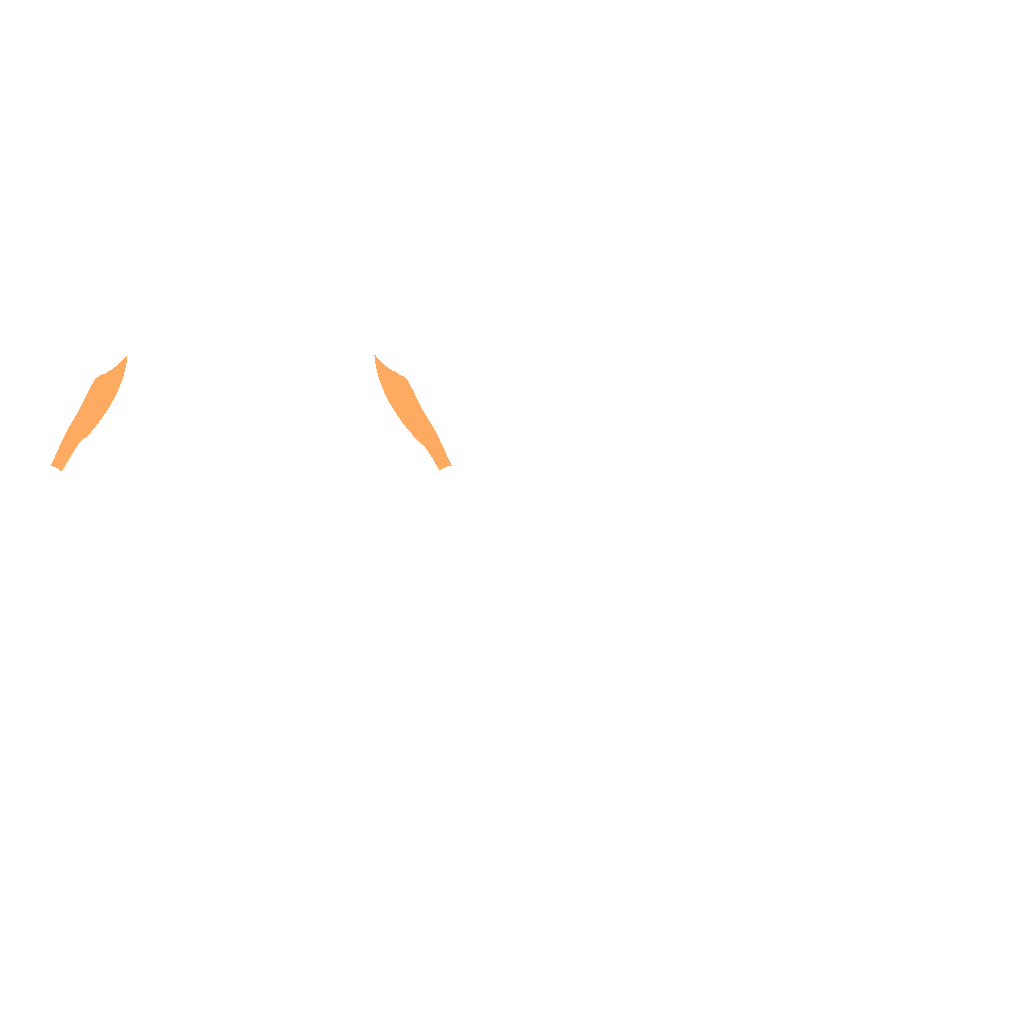
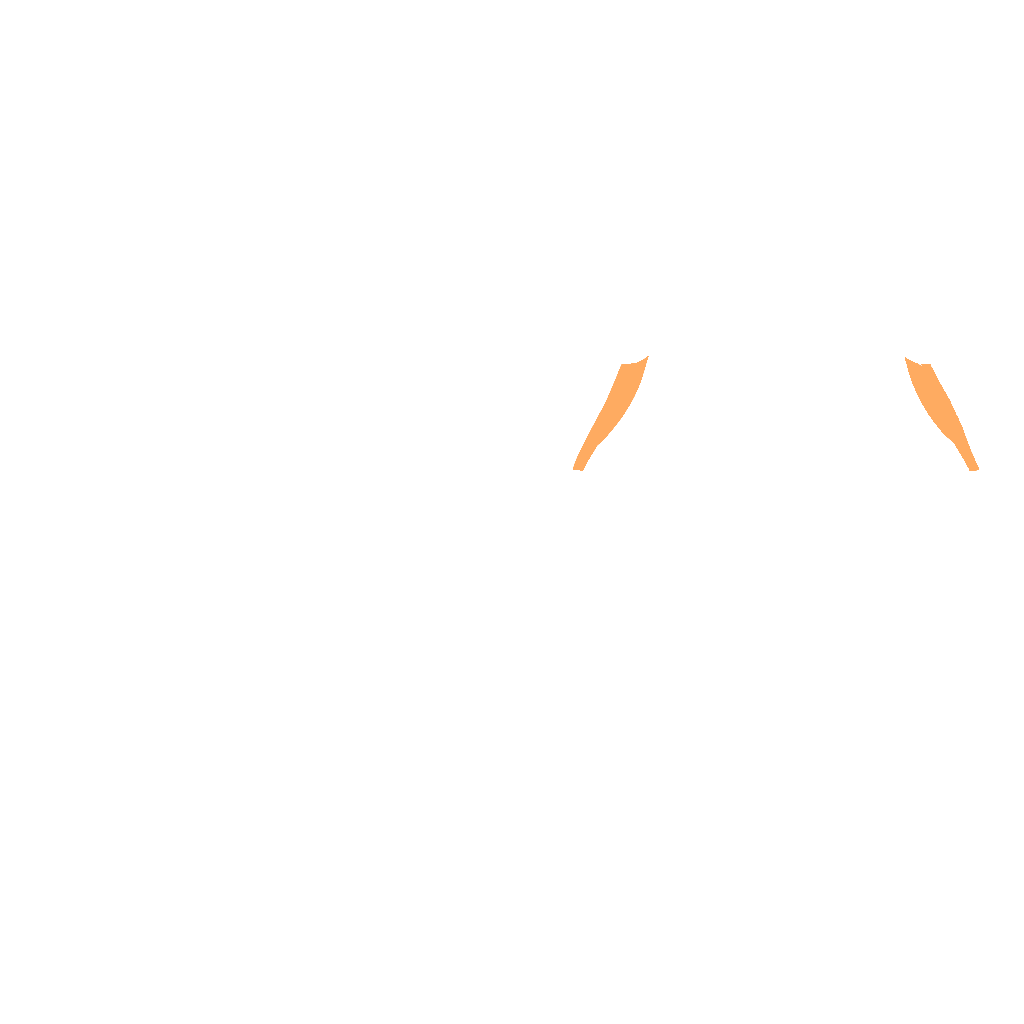


- Target
- Biceps Brachii Long Head, Biceps Brachii Short Head
- Secondary
- Brachioradialis
How to do it
- 1
Stand with a dumbbell in each hand, palms facing in, elbows at your sides.
- 2
Brace your core and keep both upper arms still throughout.
- 3
Curl the right dumbbell up while supinating the palm toward the shoulder.
- 4
Squeeze at the top, then lower it under control back to the start.
- 5
Repeat with the left arm, alternating for the prescribed reps.
- 6
Breathe out as you curl, in as you lower.
Tips
- Keep the resting arm quiet and tension-free instead of letting it help swing.
- Do not let your torso rock side to side to launch each rep.
- Match the tempo on both arms so one side does not get sloppy reps.
Variations
Common mistakes
- Starting the second arm before the first has finished lowering, which blends the two into one rolling motion and removes the short rest each arm is meant to get.
- Counting one arm as a rep in one set and both arms as a rep in the next, so your volume swings around without you noticing. Pick a convention and write it down.
- Letting the pace slide so the last four reps take twice as long as the first four; the left-right rhythm hides how far the set has slowed.
- Taking a heavier pair because only one arm works at a time, then finishing two reps short on the second side. The load has to fit the weaker arm.
Frequently asked
- How many reps of the alternating dumbbell curl count as a set?
- Count per arm: three sets of 8 to 10 each side, which is 16 to 20 curls in a set. Because each arm rests while the other works, a set runs about twice as long as a two-arm curl, so allow for that when you plan the session. Add a rep per arm each week and move up a pair once you can manage 10 clean reps on your weaker side. If you want shorter sets, curl both arms together instead.
- What can I use for alternating curls if I only have one dumbbell, or none?
- One dumbbell is fine. Do all the reps on one arm, then swap; you lose the alternating rhythm but not the work. A band stood on with one foot gives you a single-arm curl anywhere. A loaded backpack held by one strap or a full water jug by the handle both work, and holding something in the free hand actually helps you keep the torso still.
- Should I curl one arm at a time or both together?
- Alternate when you want to feel each biceps working and keep the reps strict; the arm you are watching gets your full attention, and a difference between sides shows up fast. Curl both together when you are short on time or chasing a heavier load, since two arms at once takes half as long. Alternating is the poorer choice as a finisher where you want a lot of fatigue quickly, and it is the easiest curl to rush, because the pause on each side invites you to speed up rather than rest.
Related exercises
Other movements among FitRay's 2,000+ exercises that load the same target muscle — same equipment and level first.
- BeginnerHammer CurlDumbbell · Biceps · Forearms
- BeginnerConcentration CurlBench · Dumbbell · Biceps
- BeginnerCross-Body Hammer CurlDumbbell · Biceps · Forearms
- BeginnerDumbbell Biceps Curl PulseDumbbell · Biceps
- BeginnerDumbbell Curl to Overhead PressDumbbell · Biceps · Shoulder
- BeginnerDumbbell Hammer Curl PulseDumbbell · Biceps · Forearms