Hammer Curl
Holding the dumbbells like hammers keeps the forearm in a neutral position, which shifts load onto the brachioradialis and the deep brachialis while still working the biceps. The result is thicker-looking arms and a stronger grip. It is a must-have alongside supinated curls for balanced arm development and is gentle on the wrists.
- Equipment
- Dumbbell
- Type
- Strength
- Browse by muscle
- Brachioradialis, Biceps Brachii Long Head, Biceps Brachii Short Head
- Browse by movement
- Elbow Flexion


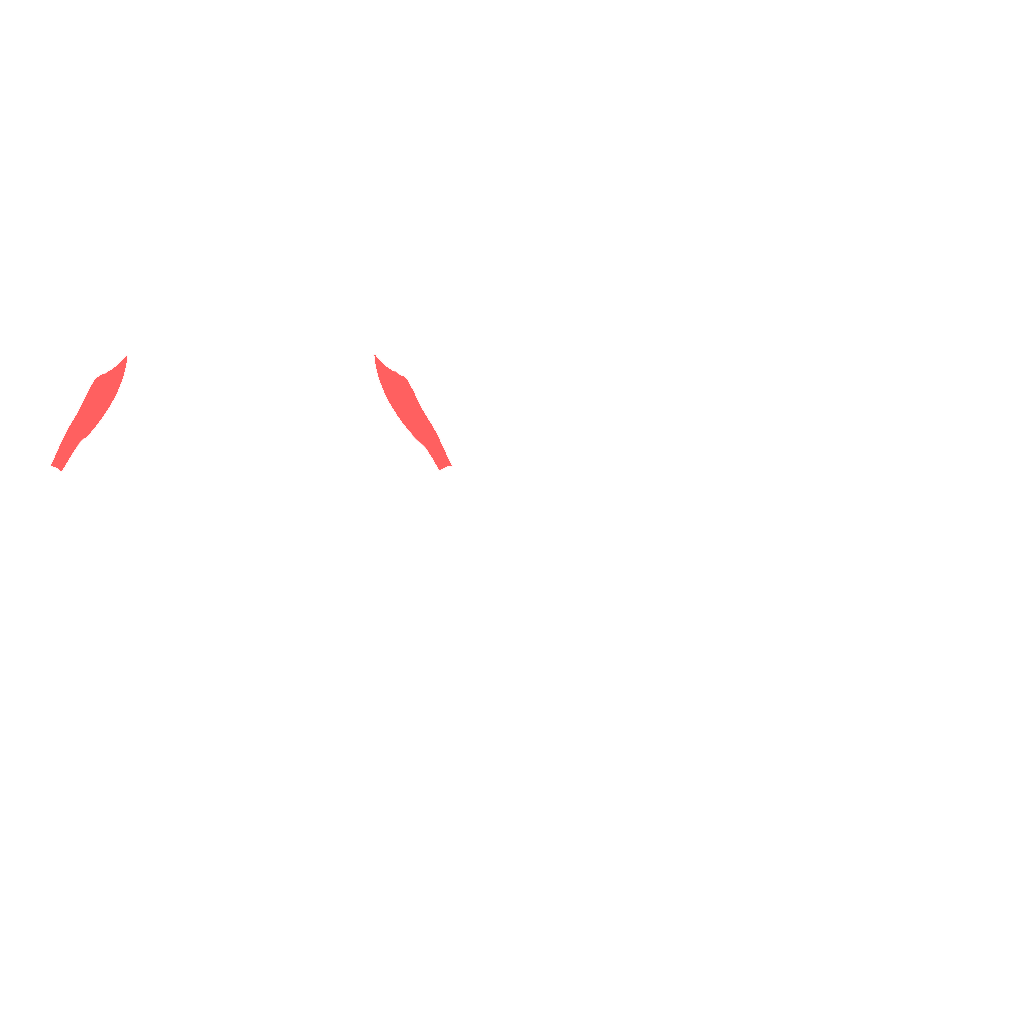
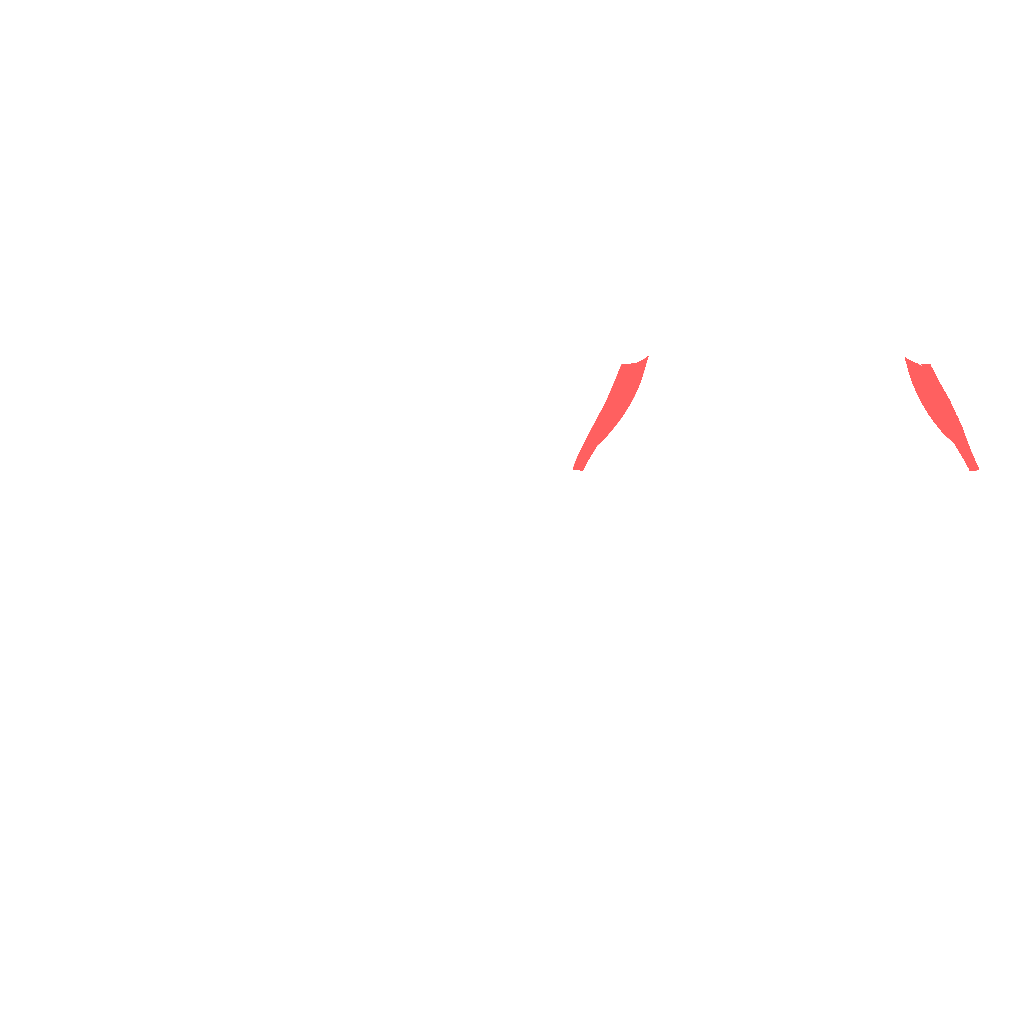
- Target
- Brachioradialis, Biceps Brachii Long Head, Biceps Brachii Short Head
How to do it
- 1
Stand holding a dumbbell in each hand with palms facing each other.
- 2
Keep your elbows tucked to your sides and your core braced.
- 3
Curl the dumbbells up while maintaining the neutral, thumbs-up grip.
- 4
Squeeze at the top without letting the wrists roll over.
- 5
Lower under control to full extension.
- 6
Exhale up, inhale down.
Tips
- Do not rotate the wrists; keeping them neutral is what targets the brachioradialis.
- Keep the upper arms locked in place so the elbows do the work.
- You can usually go a little heavier here than on supinated curls, but stay strict.
Variations
Common mistakes
- Rocking your torso back to start each rep hands the load to your hips and lower back. Pick a lighter pair and keep your shoulders stacked over your heels so only the elbows bend.
- Letting the elbows travel forward as the dumbbells rise turns the top half into a front raise and pulls tension off the brachioradialis. The points of your elbows should stay under your shoulders.
- Stopping the descent with the elbows still slightly bent to keep the burn going robs the brachialis of its longest position. Straighten the arms fully before the next rep starts.
- Clanging the dumbbell heads together at the top lets them prop each other up and the load disappears for a beat. Keep a fist's width between them and hold the squeeze with your arms.
- Shrugging the shoulders as the weight nears the top brings the traps into an arm exercise. Keep your collarbones flat and end the rep where the elbows stop bending.
Frequently asked
- How many sets and reps of the hammer curl should a beginner do?
- Three sets of 10 to 12, done at the end of an upper-body day. Use a pair you could manage for about 15 reps, so the last two are hard but still strict. When 12 clean reps feel easy across all three sets, move up one dumbbell size and expect to drop back to 8 or 9 for a session or two. Once or twice a week is enough direct arm work, since your rows and pulldowns already train the elbow flexors.
- What can I do instead of the hammer curl if I have no dumbbells?
- A band hammer curl covers it: stand on the middle of a resistance band, hold an end in each hand with palms facing each other, and curl. On a cable, a rope on a low pulley is the closest match and keeps tension steadier through the range. At home, two full water jugs or a loaded backpack held by the top handle work for higher reps. A neutral-grip chin-up trains the same brachioradialis and brachialis if you can manage a few, though it loads far more than the arms.
- What is the hammer curl good for, and when should I skip it?
- It builds the brachioradialis and the brachialis, which sit on the outside of the forearm and underneath the biceps, so it adds arm thickness and grip strength rather than biceps peak. That suits hypertrophy work and anyone whose wrists complain during palms-up curls. It is a poor choice as your only arm exercise if you also want the peak, and a poor opener on a pulling day, because heavy arm work before rows and pulldowns leaves you unable to hold the bar.
Related exercises
Other movements among FitRay's 2,000+ exercises that load the same target muscle — same equipment and level first.
- BeginnerDumbbell Reverse CurlDumbbell · Biceps · Forearms
- BeginnerAlternating Dumbbell CurlDumbbell · Biceps
- BeginnerConcentration CurlBench · Dumbbell · Biceps
- BeginnerCross-Body Hammer CurlDumbbell · Biceps · Forearms
- BeginnerDumbbell Biceps Curl PulseDumbbell · Biceps
- BeginnerDumbbell Curl to Overhead PressDumbbell · Biceps · Shoulder