Barbell Curl
This is the movement most lifters picture when they think of building arms, and for good reason. A fixed bar lets you load both biceps heads heavily and symmetrically, so it belongs early in any arm session while you are fresh. It suits every level, but because the wrist is locked in full supination it can nag sensitive elbows, so keep the weight honest.
- Equipment
- Barbell
- Body part
- Biceps
- Type
- Strength
- Browse by muscle
- Biceps Brachii Long Head, Biceps Brachii Short Head
- Browse by movement
- Elbow Flexion


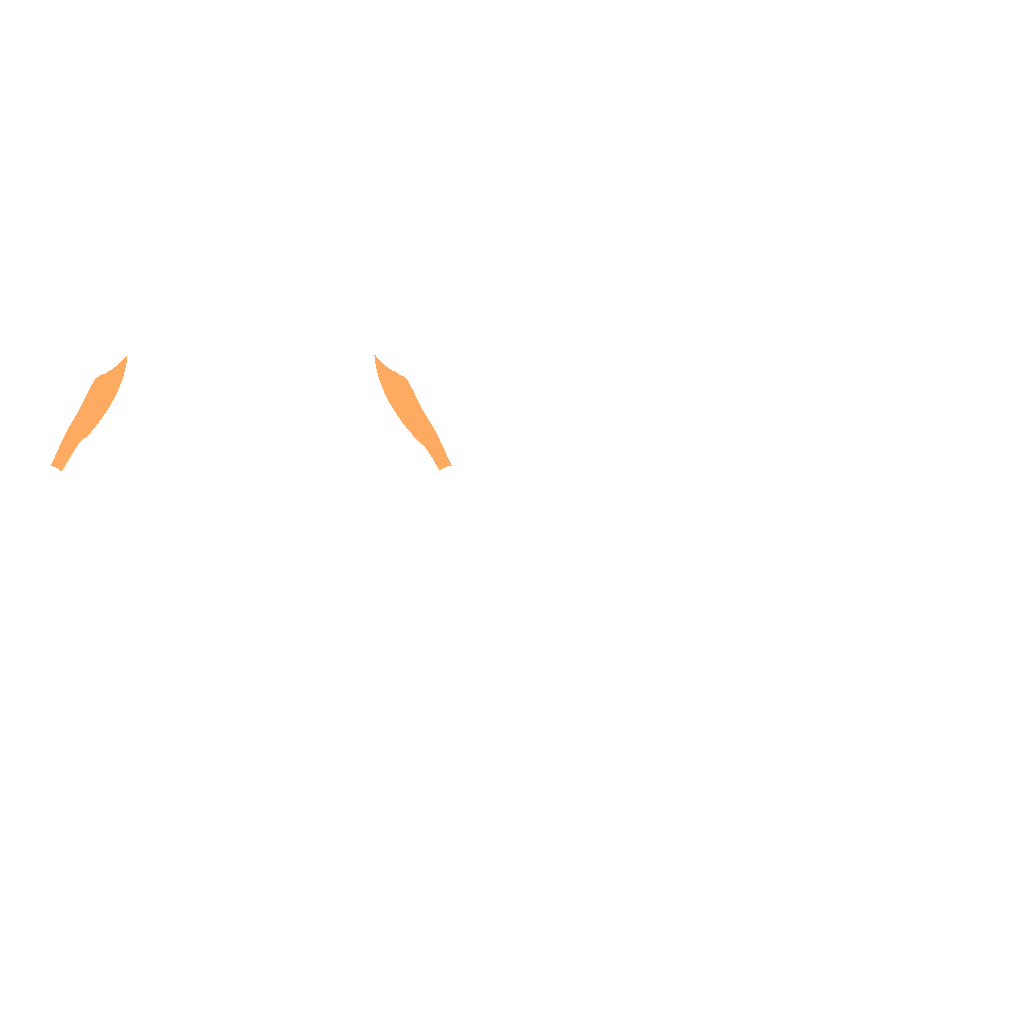
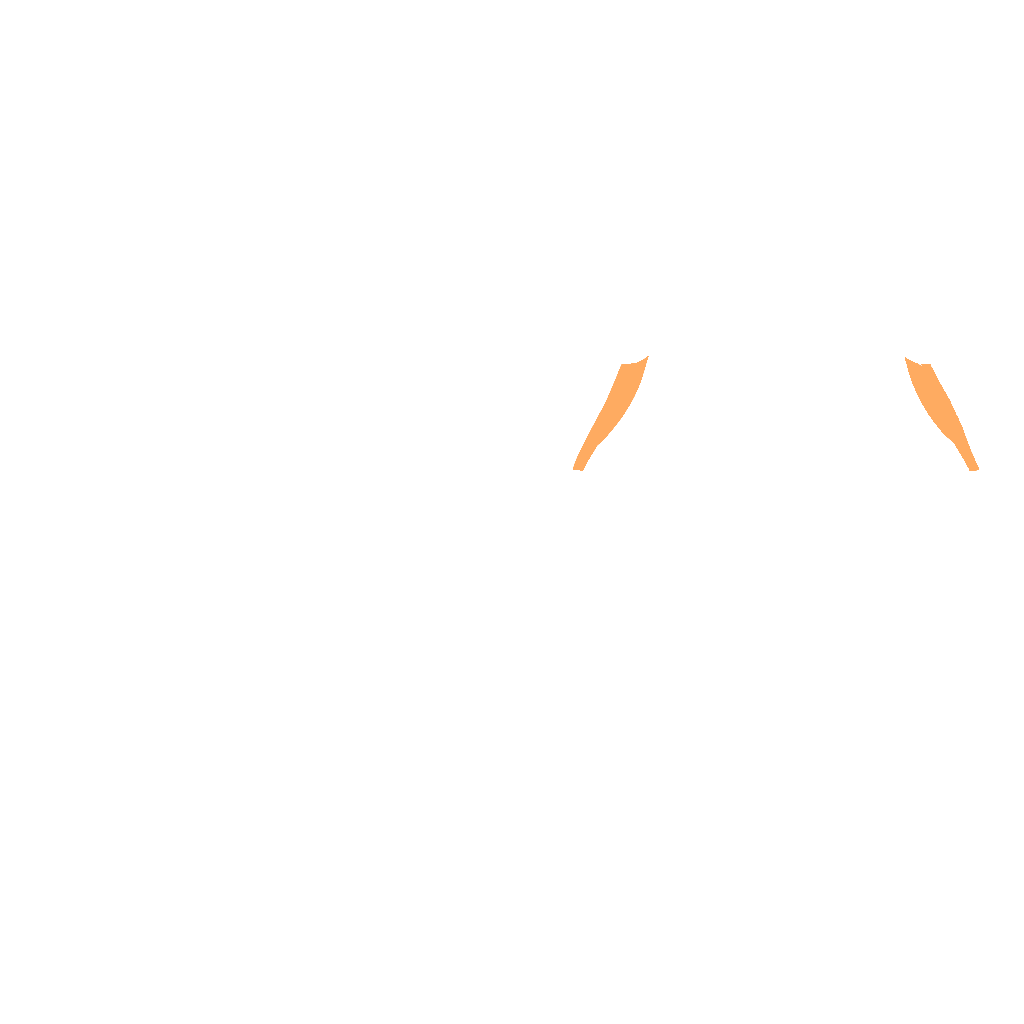
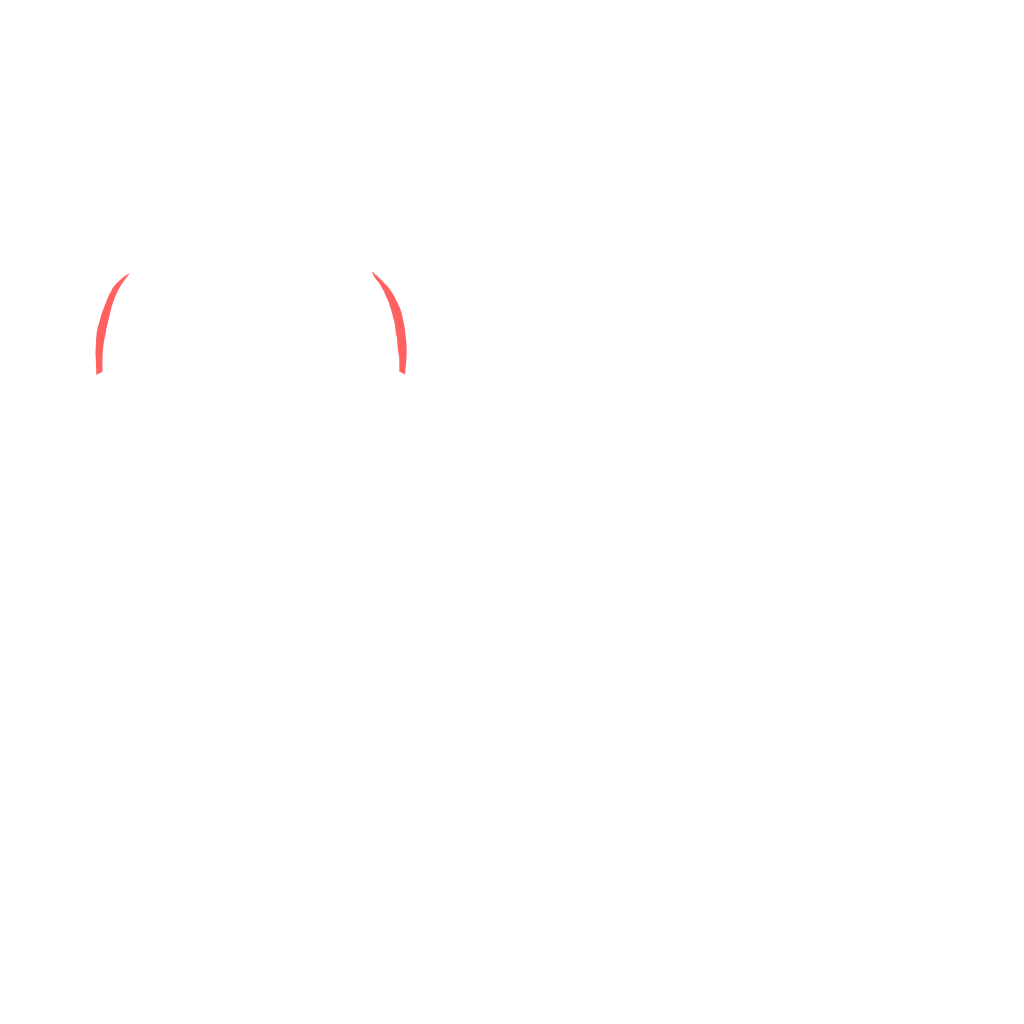

- Target
- Biceps Brachii Long Head, Biceps Brachii Short Head
- Secondary
- Brachioradialis
How to do it
- 1
Stand tall holding a barbell with a shoulder-width underhand grip, arms hanging straight.
- 2
Set your feet hip-width, brace your abs, and pin your elbows lightly against your sides.
- 3
Curl the bar toward your shoulders by flexing the elbows, keeping the upper arms still.
- 4
Squeeze the biceps hard at the top without letting the elbows drift forward.
- 5
Lower under control back to full extension, resisting the bar the whole way down.
- 6
Exhale as you curl up, inhale as you lower.
Tips
- Keep your elbows fixed at your sides; if they swing forward you are turning it into a front raise.
- Do not heave with the lower back. If you need body english to move the bar, drop the load.
- Control the lowering phase for two to three seconds; the eccentric drives a lot of the growth.
Variations
Common mistakes
- Taking a grip much wider than the shoulder-width one in the steps, which forces the wrists out to the sides and turns a biceps set into an elbow ache. Keep your hands roughly under your shoulders.
- Curling the bar all the way to your collarbone, where the forearms are past vertical and the biceps are holding almost nothing. Stop where you can still feel the load pulling.
- Curling the wrists in toward you to help the bar through the last few inches, which shifts the work to the forearm flexors. Keep the knuckles in line with the back of the forearm.
- Cutting the descent short once the burn sets in, so every rep after the third starts from a half-bent elbow and the biceps never reaches the bottom of its range.
Frequently asked
- How many sets and reps of the barbell curl should a beginner do?
- Three sets of 8 to 12 reps, twice a week, is plenty of direct arm work alongside your pulling. Start with an empty barbell or a light EZ bar and only add weight once all three sets reach 12 with your elbows still at your sides. From there, 2.5 kg (5 lb) jumps are enough; a curl gets heavy far faster than a row does. If your elbows complain in the first couple of sessions, drop the load and add reps instead.
- What can I use instead of a barbell curl at home?
- Two dumbbells curled at the same time is the closest match, since it loads both arms together the same way. A resistance band stood on with both feet also works and is kinder to the elbow. With nothing at all, load a backpack with books and curl it by the bottom of the shoulder straps. If it is the straight bar itself that bothers your wrists, an EZ bar with its angled grips fixes that without changing the exercise.
- What is the barbell curl good for, and when should I skip it?
- It is the heaviest way most people can load both biceps heads at once, which makes it a solid size and strength builder at the start of arm work while you are fresh. Skip it if a fully supinated grip aggravates your wrists or the inside of your elbow, and use an EZ bar or dumbbells instead. It is also the wrong pick when you want the long head stretched, since your arms hang straight down; an incline curl covers that. It will not fix a strength difference between sides either, because the strong arm can quietly carry the bar.
Related exercises
Other movements among FitRay's 2,000+ exercises that load the same target muscle — same equipment and level first.