Wide-Grip Barbell Curl
Spreading your hands wider than a standard curl rolls the shoulders into slight external rotation and shortens the biceps short head from the start, so the inner portion of the muscle does more of the work. It is an easy tweak that adds variety to your curling without new equipment. Slot it in whenever you want to hit the biceps from a fresh angle.
- Equipment
- Barbell
- Body part
- Biceps
- Type
- Strength
- Browse by muscle
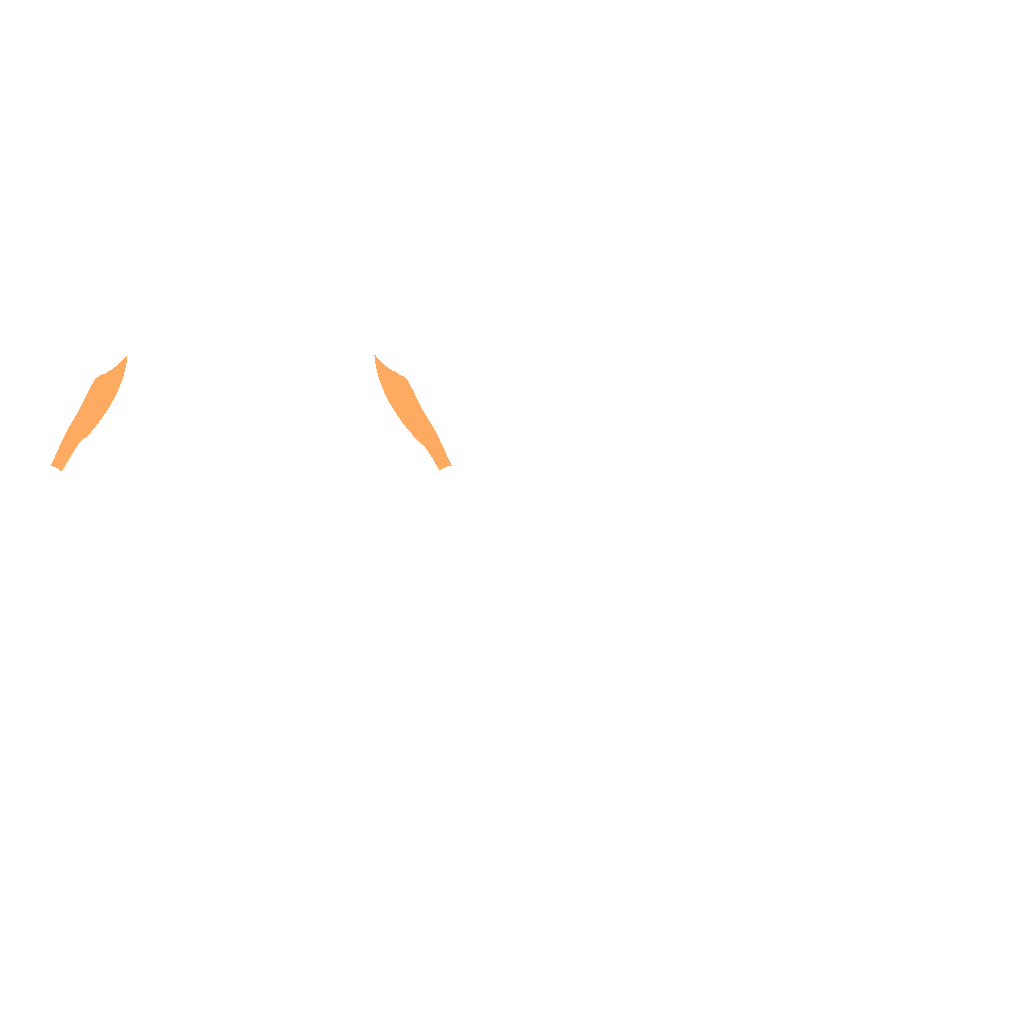
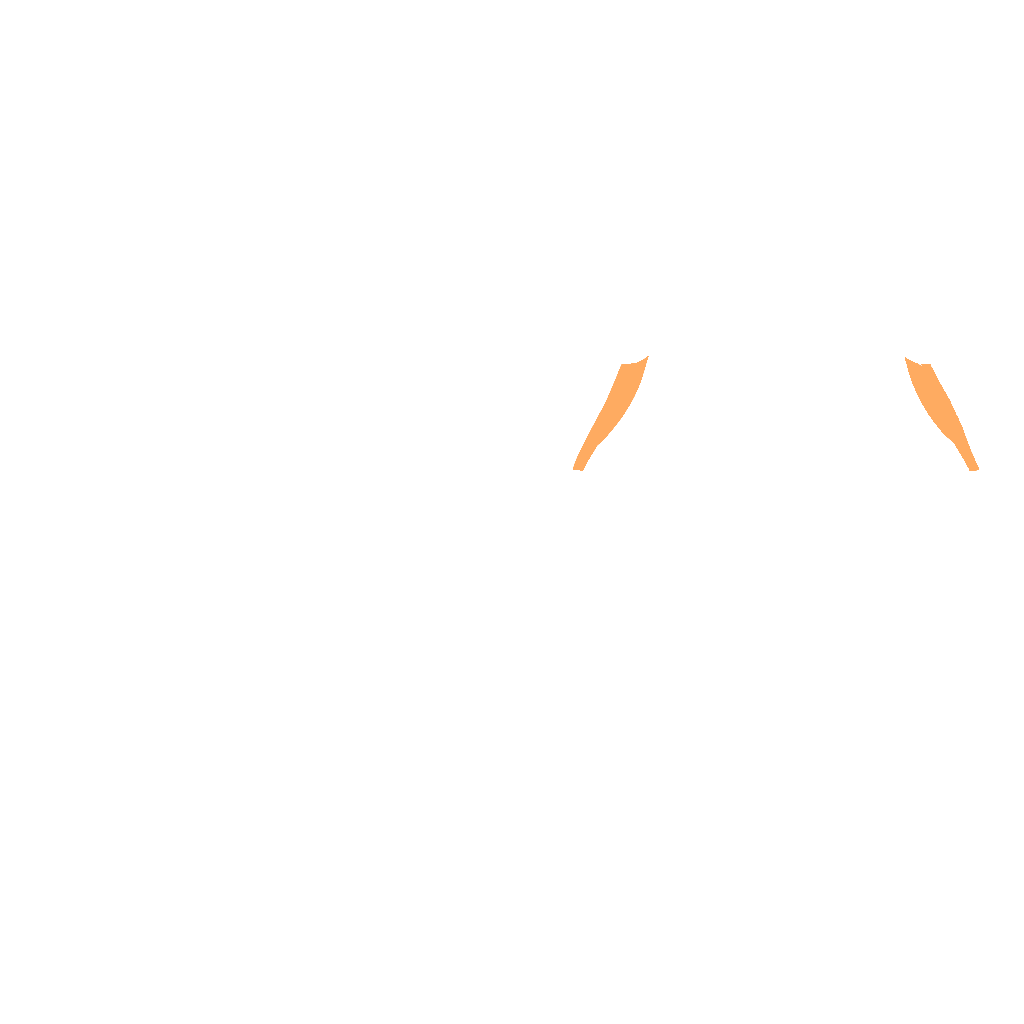
- Biceps Brachii Short Head
- Browse by movement
- Elbow Flexion




- Target
- Biceps Brachii Short Head
- Secondary
- Biceps Brachii Long Head, Brachioradialis
How to do it
- 1
Load a barbell and grip it underhand with your hands set clearly wider than shoulder width.
- 2
Stand tall with feet hip-width, brace your abs, and tuck your elbows to your sides.
- 3
Curl the bar toward your shoulders by flexing the elbows only.
- 4
Squeeze the biceps at the top without letting the elbows travel forward.
- 5
Lower under control to full arm extension.
- 6
Exhale as you curl, inhale as you lower.
Tips
- Keep the wide grip honest; the flared position is what shifts work to the inner biceps.
- If your wrists complain, back the grip in slightly rather than fighting through pain.
- Stay strict, since the wider angle tempts you to lean back and heave.
Variations
Common mistakes
- Hands end up out on the knurl rings, which are set for benching rather than curling. A hand's width outside your normal curl grip is enough to change the angle without wrenching the wrists.
- The elbows drift out to follow the hands, so the upper arms leave the ribs and the front delts start lifting the bar. Wide hands with the elbows still tucked is the whole position.
- Reaching for an EZ bar and losing the point: the angled grips cancel the outward rotation of the forearms, which is what shifts work onto the inner biceps in the first place.
- Wrists get bent back under the bar to make the wide grip fit, which stacks the load on the joint. Keep the knuckles in line with the back of the forearm rather than letting the bar settle into the heel of the hand.
- Loading the bar to your shoulder-width curl number. The flared position is weaker through the middle of the range, so plan on ten to twenty percent less and judge the set by whether the elbows stayed put.
Frequently asked
- How many reps should I do on the wide-grip barbell curl, and where does it go in an arm day?
- Three sets of 10 to 12 with a light bar. This is a variation rather than a main lift, so it sits best as the second curl of an arm day, after your regular curls, when the elbows are already moving well. Take all three sets to the top of the rep range before you add plates, and keep the jumps small: 2.5 pounds a side changes a curl far more than it changes a row. If you also run the narrow grip, use one for three weeks and then swap rather than doing both every session.
- What can I do instead of the wide-grip barbell curl without a barbell?
- Two dumbbells curled with the arms angled out to the sides give you the same flared position and let each wrist find its own rotation, which many people find kinder. A wide grip on a low cable bar keeps the tension going at the top. With a band, stand on the middle of it and hold the ends wider than your shoulders. The one swap that does not carry over is a fixed EZ bar, since its angled grips undo the position you came for.
- What does a wide grip change about the barbell curl?
- It turns the shoulders out and starts the biceps short head already shortened, so the inner part of the arm takes a bigger share of the work, and it is a cheap way to give the elbows a different angle after weeks of the same curl. It suits lifters who already curl regularly and want variety. It is a poor choice if you only curl once a week, since a shoulder-width grip trains more of the muscle at once, and a bad one for anyone whose wrists object to a fully turned-out grip under load.
Related exercises
Other movements among FitRay's 2,000+ exercises that load the same target muscle — same equipment and level first.