Battle Rope Squat Wave
Holding the bottom of a squat while ripping alternating waves turns a simple rope drill into a full-body metabolic challenge. The quads and glutes work isometrically to keep you low while the shoulders and arms pump the ropes, driving heart rate and grip endurance hard. Use it as a conditioning finisher when you want legs and lungs taxed together.
- Equipment
- Rope
- Type
- Cardio, Strength
- Browse by muscle
- Deltoid Anterior, Rectus Femoris, Vastus Lateralis
- Browse by movement
- Squat








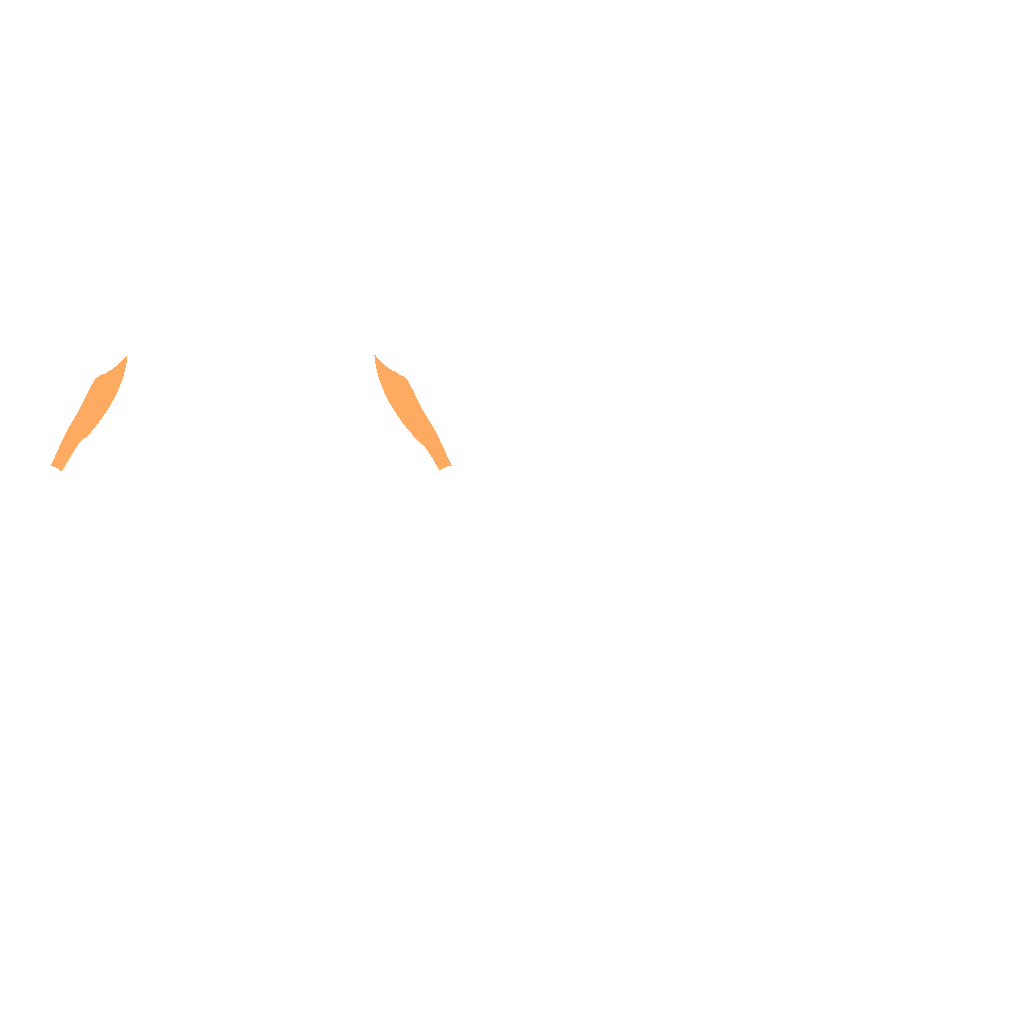
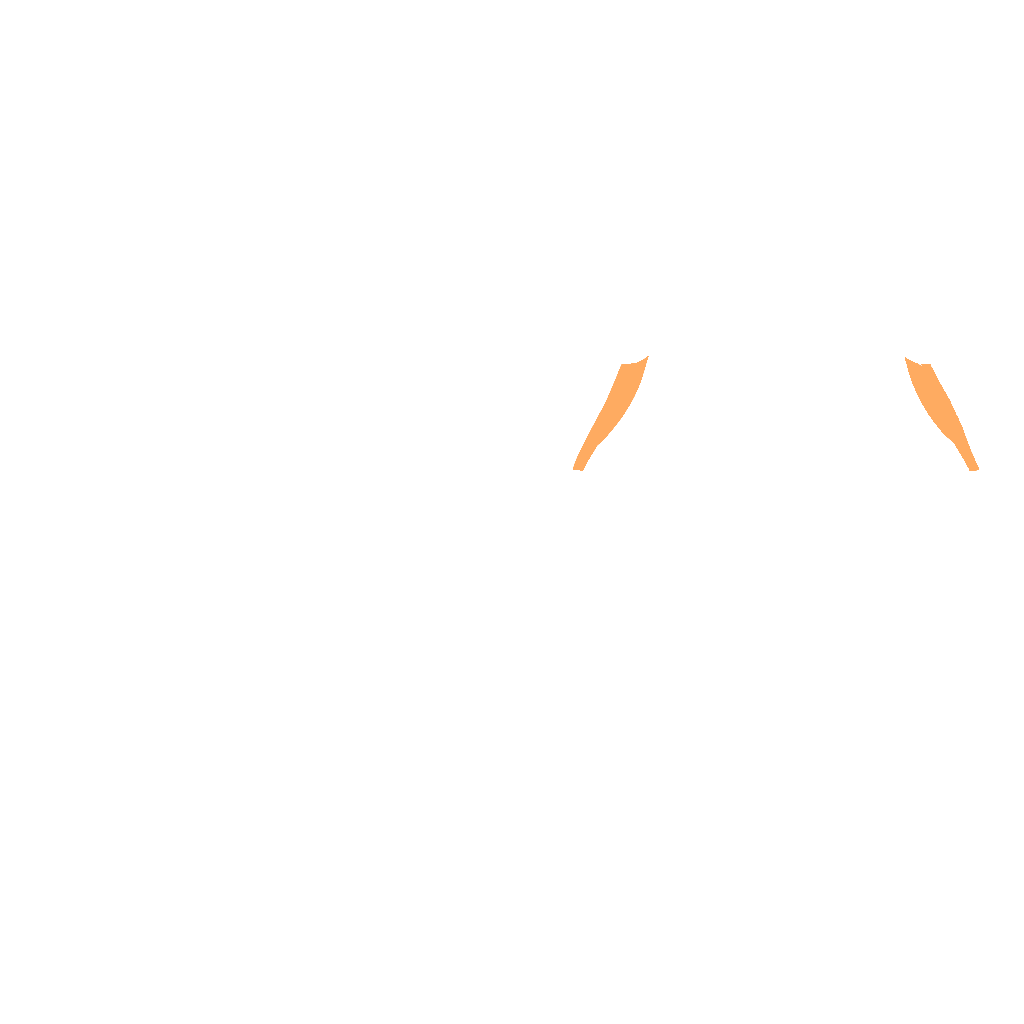



- Target
- Deltoid Anterior, Rectus Femoris, Vastus Lateralis
- Secondary
- Deltoid Middle, Gluteus Maximus, Brachioradialis
- Tertiary
- Abdominal External Oblique, Erector Spinae, Trapezius Upper
How to do it
- 1
Hold one rope end in each hand and step back to remove the slack.
- 2
Sit into a parallel squat with your chest up and weight through your midfoot.
- 3
Hold the squat depth and begin driving alternating waves with each arm.
- 4
Keep the waves fast and even, one arm up as the other drives down.
- 5
Maintain the squat height for the full interval without standing up.
- 6
Breathe in a steady rhythm and brace your trunk against the movement.
Tips
- Do not let your hips rise as you tire; own the depth the whole set.
- Keep the waves small and fast rather than large and slow to protect your rhythm.
- Push your knees out in line with your toes to keep the squat position strong.
Variations
Common mistakes
- The squat rises from parallel toward a quarter-squat as the arms tire, letting the legs quietly rest while the set is supposed to tax both together.
- The knees cave inward instead of tracking over the toes as the depth holds, a habit easy to miss when all the attention is on keeping the arms moving.
- The waves grow large and slow instead of staying small and fast, breaking the rhythm the interval depends on to pace the fatigue evenly.
- Weight rocks back onto the heels instead of staying at the midfoot, which is easy for the squat depth to hide until the heels actually lift.
- Holding the breath through the held squat spikes the effort and forces a stand-up well before the arms actually give out.
- One arm rises noticeably higher than the other during the alternation, so a single shoulder ends up carrying more of the work for the whole set.
Frequently asked
- How long should you hold the battle rope squat wave for when you are new to the exercise?
- Start with 4 to 5 rounds of 15 to 20 seconds at parallel squat depth, resting 30 to 45 seconds between rounds so the depth doesn't creep up as fatigue sets in. Extend the interval before you deepen the squat further, since holding the position is already half the challenge.
- What can I use instead of battle ropes for the squat wave?
- Holding a squat while pumping light dumbbells or resistance bands up and down in alternation trains the same legs-plus-shoulders combination. With no equipment, holding a parallel squat while punching the arms alternately overhead still taxes both areas together.
- What is the battle rope squat wave good for, and when should I skip it?
- Holding the squat while the arms wave turns a simple rope drill into a full-body metabolic challenge, taxing the legs isometrically while the shoulders and grip drive the waves, which makes it a strong conditioning finisher. Skip it, or shorten the hold, if your knees are already fatigued from squatting or lunging earlier in the session, since holding depth is the part that suffers first.
Related exercises
Other movements among FitRay's 2,000+ exercises that load the same target muscle — same equipment and level first.