Bent-Arm Shoulder CARs
Bending the elbow during a shoulder CAR shortens the lever and shifts the demand onto the rotator cuff, especially the external rotators, at the extremes of the joint's range. It is a more targeted progression than the straight-arm version and exposes weak, poorly controlled zones near the shoulder's limits. Use it as focused cuff prep before pressing and overhead work or as rehab-minded maintenance.
- Equipment
- Body Weight
- Body part
- Shoulder
- Type
- Functional, Recovery, Stretching
- Browse by muscle
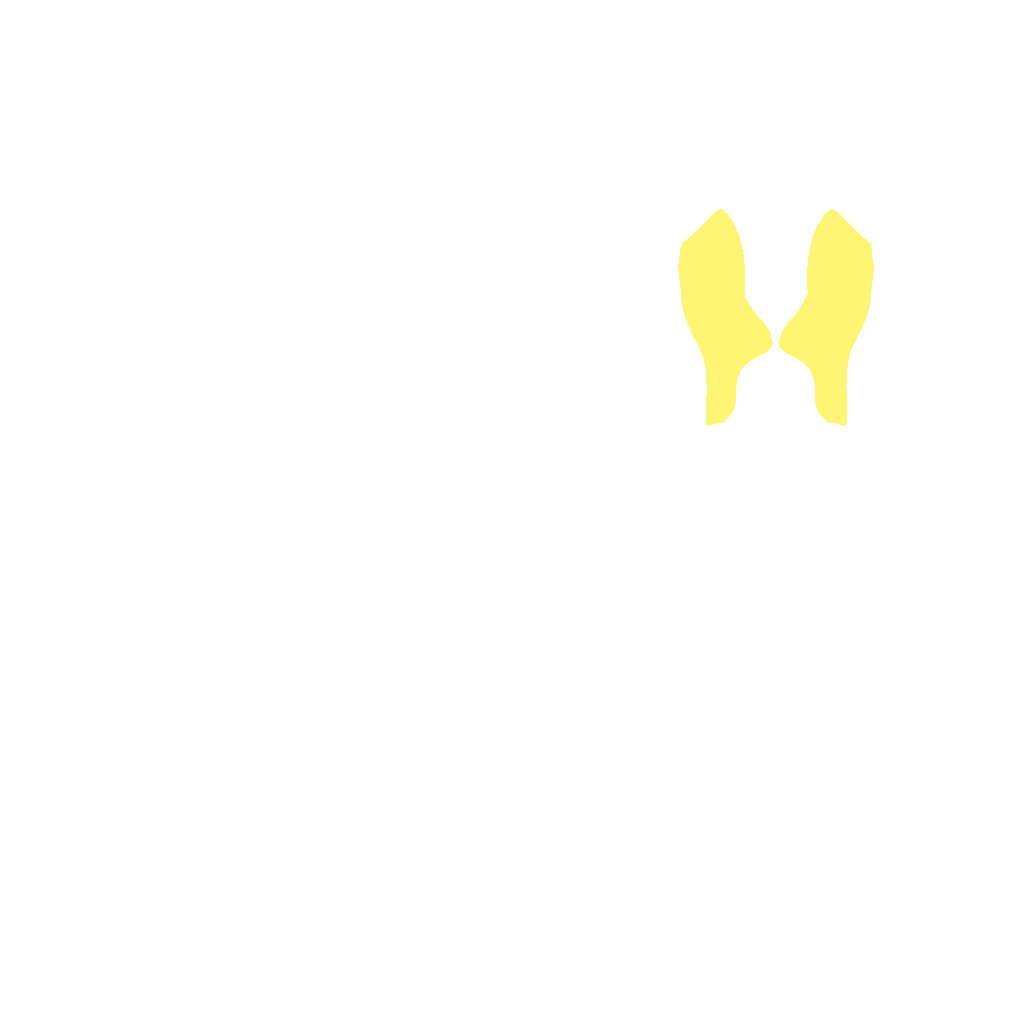
- Deltoid Middle, Infraspinatus
- Browse by movement
- Mobility Drill







- Target
- Deltoid Middle, Infraspinatus
- Secondary
- Deltoid Posterior, Deltoid Anterior, Trapezius Lower
- Tertiary
- Latissimus Dorsi
How to do it
- 1
Stand tall with one arm bent to ninety degrees, upper arm at your side and knuckles facing forward.
- 2
Raise the bent arm forward and up, keeping the elbow angle fixed, until the upper arm points overhead.
- 3
At the top, externally rotate the shoulder so the forearm rotates back and open.
- 4
Carry the elbow out and down behind the body into extension while maintaining the bend.
- 5
Internally rotate to close the circle and return to the start, keeping the torso still.
- 6
Move slowly under tension, resisting any shrug or trunk lean.
- 7
Complete equal circles each direction, then switch arms.
Tips
- Keep the elbow angle locked; letting it open or close hides the range you are trying to train.
- Do not let the shoulder shrug up toward the ear; keep it set down and back.
- Slow right down through the behind-the-body extension phase, where control is hardest.
Variations
Common mistakes
- The elbow angle opens and closes through the circle instead of staying locked at ninety, hiding exactly the weak zones this drill is meant to expose.
- Rushing through the behind-the-body extension skips the hardest part of the circle, the one spot this variation is actually testing.
- The shoulder creeps up toward the ear as the arm swings overhead, letting the traps take over from the rotator cuff.
- Swinging the elbow out with momentum instead of driving it slowly under tension turns a control drill into a loose flail.
Frequently asked
- How many reps of bent-arm shoulder CARs should you do when you are new to the exercise?
- Once plain shoulder CARs feel controlled, add three or four slow circles each direction per arm. The progression is in slowing the hardest arc further or holding it a beat, not in doing more circles.
- How do I make bent-arm shoulder CARs easier or harder?
- Easier: shrink the circle and keep the elbow closer to the body throughout. Harder: slow the tempo more, pause in the toughest arc behind the body, or progress to the banded version for added resistance.
- What do bent-arm shoulder CARs train, and when should you avoid them?
- They target the rotator cuff and external rotators right at end-range positions, useful as cuff prep before pressing or as rehab-minded maintenance. Avoid them during current shoulder impingement pain, since actively driving an irritated cuff into end range is a job for guided rehab, not a general mobility drill.
Related exercises
Other movements among FitRay's 2,000+ exercises that load the same target muscle — same equipment and level first.
- IntermediateGlobal CAR FlowBody Weight · Back
- BeginnerArm CirclesBody Weight · Shoulder
- IntermediateBanded Shoulder CARsBand · Shoulder
- IntermediateKettlebell Halo-to-Reverse-Lunge FlowKettlebells · Glutes · Shoulder
- IntermediateKettlebell Halo-to-Squat FlowKettlebells · Quads · Shoulder
- BeginnerKettlebell HaloKettlebells · Shoulder · Traps