Chair Cow Face Arms
This clasped arm shape stretches the overhead arm's triceps and the lower arm's shoulder at the same time, opening tight areas that limit reaching overhead or behind the back. Sitting in a chair frees you to focus on the bind and use a strap without worrying about the lower body. It is a wonderful counter to rounded, forward-shoulder posture.
- Equipment
- Body Weight
- Type
- Stretching, Yoga
- Browse by muscle
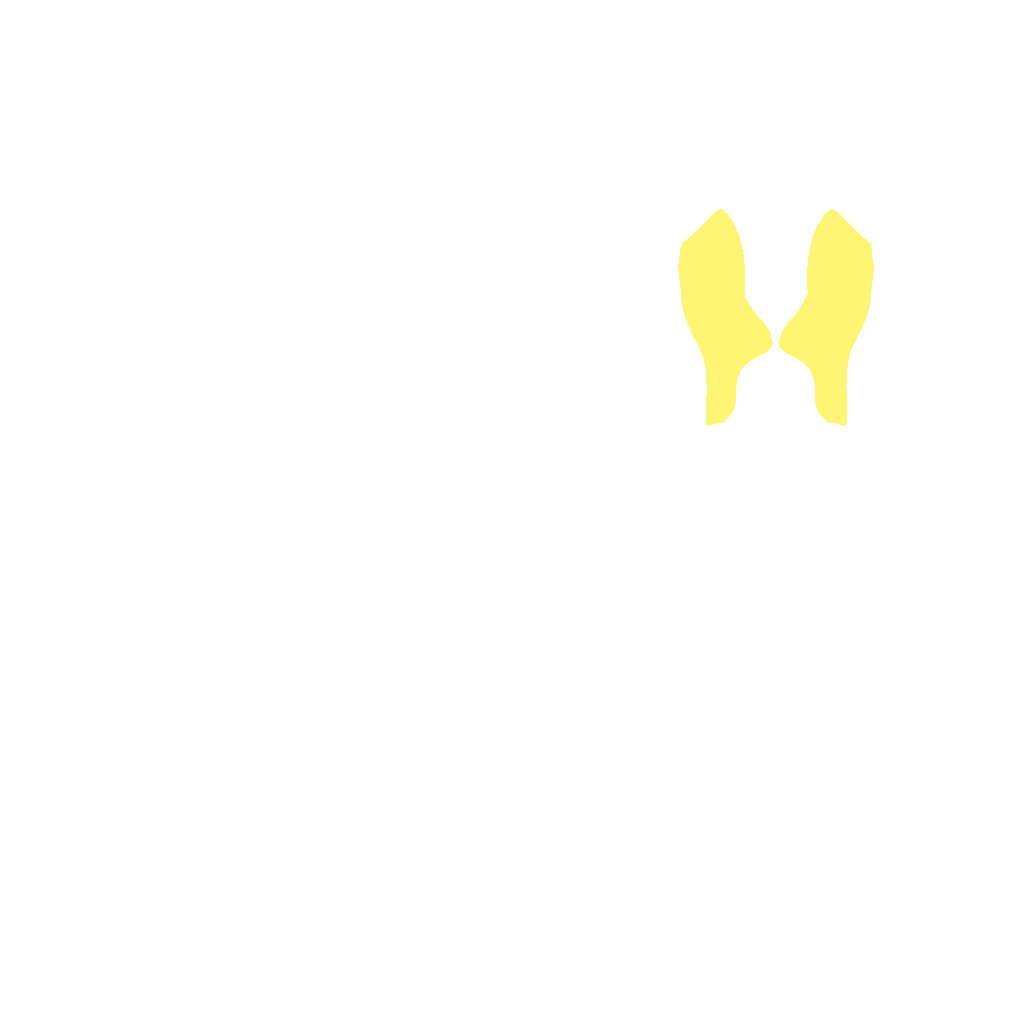
- Triceps Brachii Long Head



- Target
- Triceps Brachii Long Head
- Secondary
- Deltoid Posterior
- Tertiary
- Latissimus Dorsi
How to do it
- 1
Sit tall with feet flat and the spine long.
- 2
Raise the right arm overhead, bend the elbow, and let the right hand drop down behind the neck.
- 3
Bring the left arm behind your back and reach the left hand up toward the right.
- 4
Clasp the fingers if they meet, or hold a small towel or strap between the hands.
- 5
Gently draw the top elbow back and lift the chest, holding for four to six breaths.
- 6
Release and switch, raising the left arm overhead this time.
Tips
- Use a towel between the hands rather than forcing the fingers to touch.
- Keep the raised elbow pointing up toward the ceiling, not flaring forward.
- Lift the chest and avoid jutting the chin or ribs forward.
Variations
Common mistakes
- The lower hand travels up the back with the palm turned in against the spine, which twists the wrist and stops the hand early; rest the back of that hand on the spine, palm facing away from your back, so the shoulder can rotate.
- A chair with a tall or padded back leaves nowhere for the lower arm to go; sit on the front edge, or turn sideways on the seat so the hand has room behind you.
- Once the fingers hook, both hands start pulling, and the bottom shoulder gets levered up the back by the top one; hold still and let the position do the stretching.
- The lower elbow swings out away from the ribs to get that hand higher, and the shoulder rolls forward with it; keep the elbow tucked in against your side.
- Pins and needles in the lower hand mean that arm is in a position the shoulder does not own yet; bring it down and work with a towel between the hands instead.
Frequently asked
- How long should a beginner hold Chair Cow Face Arms?
- Four to six slow breaths per side, two rounds each way, and both sides every time, since one shoulder is almost always tighter. Daily is fine because nothing is loaded. Progress by sliding your grip along the towel an inch closer over weeks rather than forcing the fingers to meet; the gap closes on its own once the shoulders rotate more freely. End a hold if the bottom hand goes numb rather than waiting out the breaths.
- What can I use instead of a strap or chair for Chair Cow Face Arms?
- A hand towel, a belt, a dressing-gown cord, or a dog lead all work between the hands, and a towel is easier to grip than a thin strap. For the seat, a stool, a bench, or the edge of a bed gives the lower arm more room than a chair with a padded back. Standing or kneeling changes nothing about the arms, so either is a fine substitute. With nothing at all, take hold of the hem of your shirt with the lower hand and let the top hand grip the fabric.
- What are Chair Cow Face Arms good for, and when should you skip them?
- One arm stretches the long head of the triceps and the top of the shoulder while the other works on rotation behind the back, and between them they cover the tissue that shortens from pressing and from hours at a keyboard. Sitting down means all your attention goes to the arms. Skip it, or stay with a towel and a wide grip, if the front of the shoulder pinches in the bottom position, and do not use it as a fix for a shoulder that hurts to reach overhead; that needs looking at.
Related exercises
Other movements among FitRay's 2,000+ exercises that load the same target muscle — same equipment and level first.
- BeginnerCrab WalkBody Weight · Glutes · Triceps
- BeginnerOverhead Lat and Triceps StretchBody Weight · Lats · Triceps
- BeginnerOverhead Triceps StretchBody Weight · Triceps
- BeginnerReverse Tabletop PressBody Weight · Glutes · Triceps
- AdvancedCrane PoseBody Weight · Abs · Shoulder
- IntermediateTripod HeadstandBody Weight · Neck · Shoulder