Chair Warrior
By sitting sideways on the chair and sweeping one leg behind you, Chair Warrior gives the hip flexors and front thigh a gentle lengthening while the chair carries your weight. It brings the energizing, open-chested feeling of the standing Warrior poses to people who need the extra support. Use it to counter the shortened hip flexors that come from a day of sitting.
- Equipment
- Body Weight
- Type
- Stretching, Yoga
- Browse by muscle
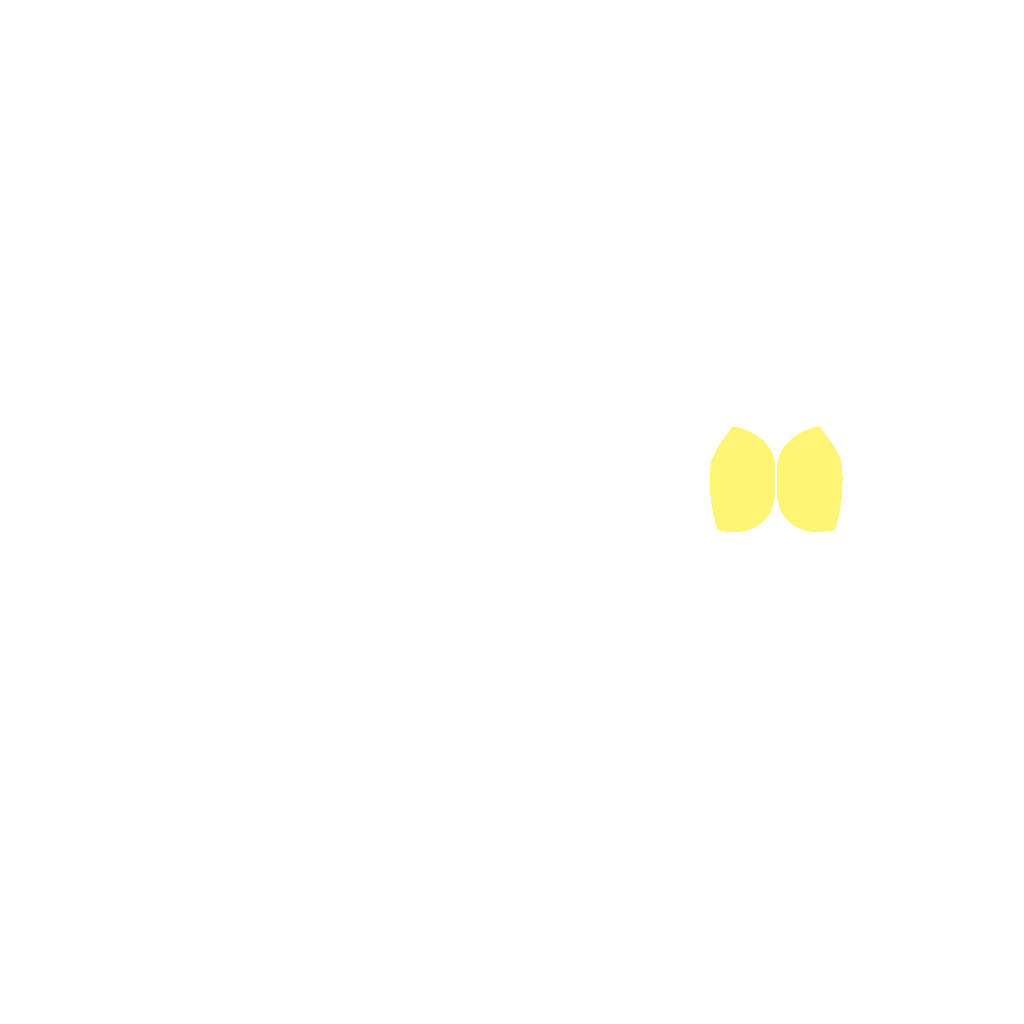
- Rectus Femoris



- Target
- Rectus Femoris
- Secondary
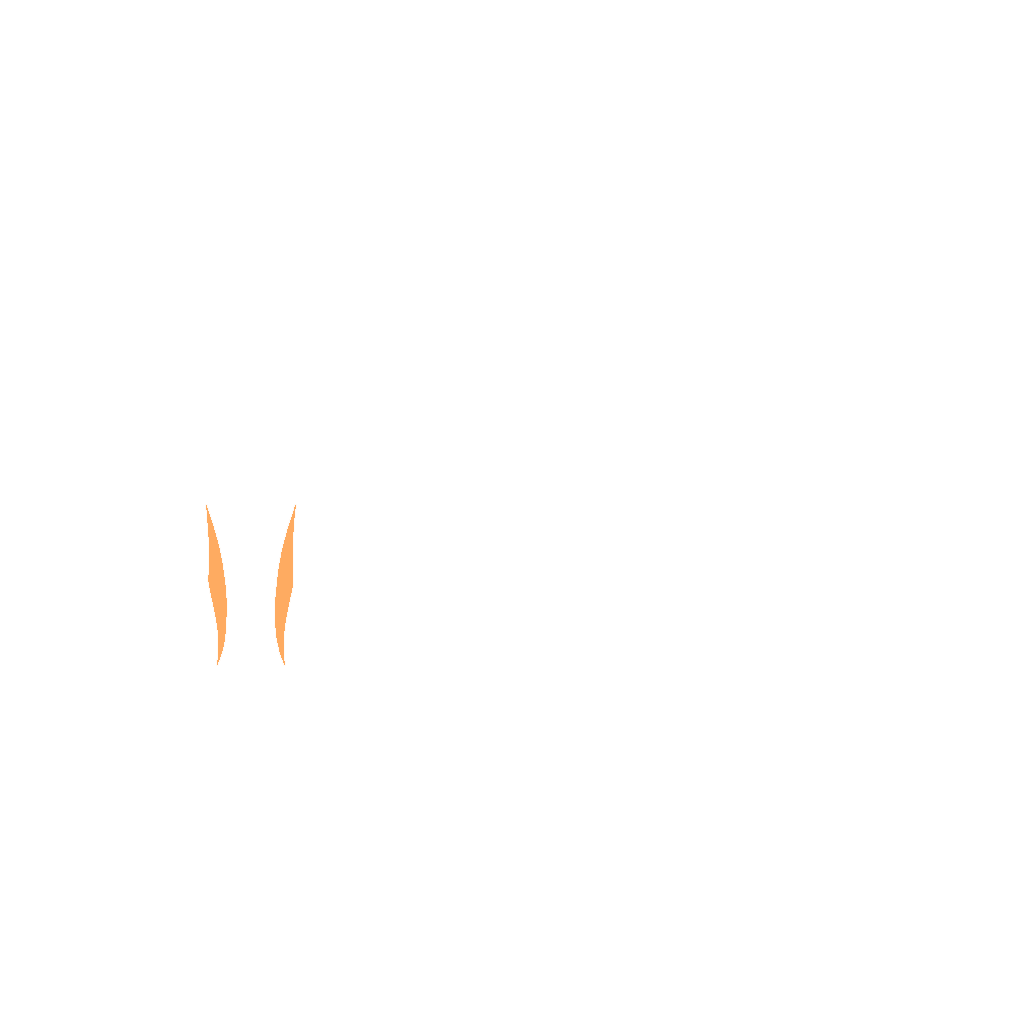
- Sartorius
- Tertiary
- Gluteus Maximus
How to do it
- 1
Sit sideways on the chair so your right hip and thigh are supported and the left side is open to space.
- 2
Keep the right knee bent with the foot flat under the knee.
- 3
Extend the left leg back behind you, ball of the foot on the floor, until you feel the front of the left hip open.
- 4
Lengthen the spine and, if comfortable, sweep both arms overhead.
- 5
Draw the tailbone gently down to keep the low back long and hold for three to five breaths.
- 6
Come out slowly, turn to face the other way, and repeat with the right leg extended back.
Tips
- Keep the seated leg's foot flat under the knee so the chair, not that leg, carries your weight.
- Tuck the tailbone slightly so the stretch is felt in the hip, not the low back.
- Lower the arms to the chair for support if the shoulders tire.
Variations
Common mistakes
- A light or wheeled chair slides away as soon as your weight goes off-center, and half the pose becomes staying put; use a heavy chair and back it against a wall.
- Only half the supported thigh is on the seat, so one sitting bone hangs over the edge and that hip works throughout; sit far enough across that the whole thigh is carried.
- The back foot turns out and the hip follows it, which swaps the stretch across the front of the hip for a pull in the groin; point those toes straight behind you.
- The torso leans forward over the supported thigh, closing the very distance between ribs and thigh that the stretch depends on; stack the shoulders over the hips.
- The back leg goes as far back as it reaches on the first try, and you find out it went too far only when the front of the hip stops feeling anything.
Frequently asked
- How long should a beginner hold Chair Warrior?
- Three to five slow breaths per side, two rounds each way, and it is gentle enough for daily use, especially in the middle of a working day. Progress by extending the back leg a few inches further once the hips stay level, and by keeping the arms overhead for the whole hold rather than lowering them partway. If tight hip flexors are why you are here, two short holds morning and afternoon do more than one long one after work.
- What can I use instead of a chair for Chair Warrior?
- A bench or a flat stool is better than a chair, since nothing gets in the way of the back leg. The edge of a bed, a sofa arm, or a low wall all work if they are firm and do not move. With no seat at all, the half-kneeling hip flexor stretch reaches the same muscle from the floor, and a standing lunge with the back heel lifted gives you the front-of-hip stretch with your own legs carrying the weight.
- What is Chair Warrior good for, and who is it for?
- It lengthens the hip flexors and the front of the thigh while the chair carries most of your weight, so the people who need hip extension most can actually get it: anyone who sits all day, and anyone who cannot hold a standing lunge. The overhead reach opens the chest at the same time. It is a poor choice on an unstable chair, and it is not a strength exercise; the standing Warrior poses load the legs in a way this version deliberately avoids.
Related exercises
Other movements among FitRay's 2,000+ exercises that load the same target muscle — same equipment and level first.
- BeginnerMountain ClimberBody Weight · Abs · Shoulder
- BeginnerKneeling Hip-Flexor StretchBody Weight · Quads
- BeginnerLateral ShuffleBody Weight · Glutes · Quads
- BeginnerTuck L-SitBody Weight · Abs · Triceps
- BeginnerA-MarchBody Weight · Calves · Quads
- BeginnerAcceleration Wall DriveBody Weight · Glutes · Quads