Crescent Lunge
Crescent Lunge holds a long stance on the ball of the back foot, so the front-leg quad and glute work while the back hip opens into a lift-and-reach. Balancing on the raised back heel adds a front-to-back stability demand that grounded lunges do not, and the overhead reach asks the shoulders and spinal extensors to keep the torso tall. It is a versatile standing pose that links neatly into warriors and twists.
- Equipment
- Body Weight
- Type
- Balance, Stretching, Yoga
- Browse by muscle
- Rectus Femoris, Vastus Lateralis
- Browse by movement
- Lunge


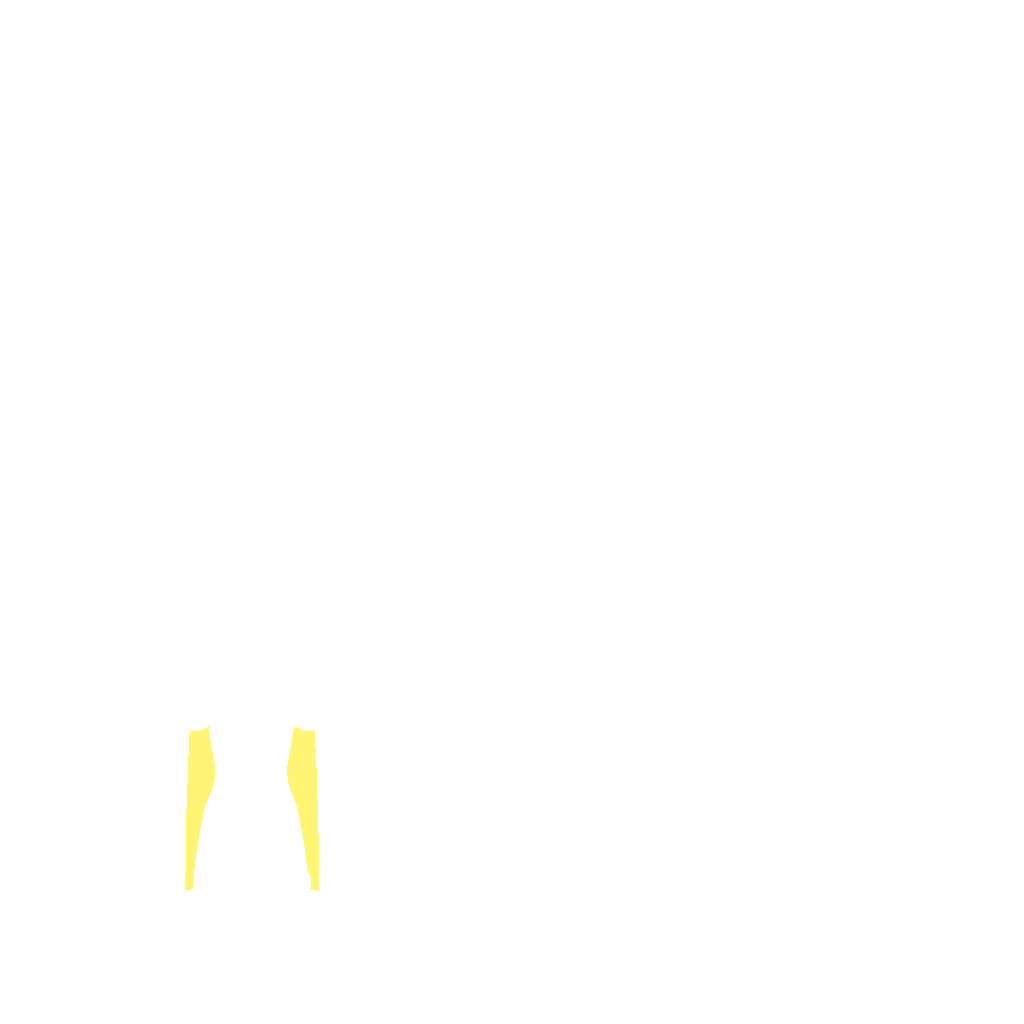

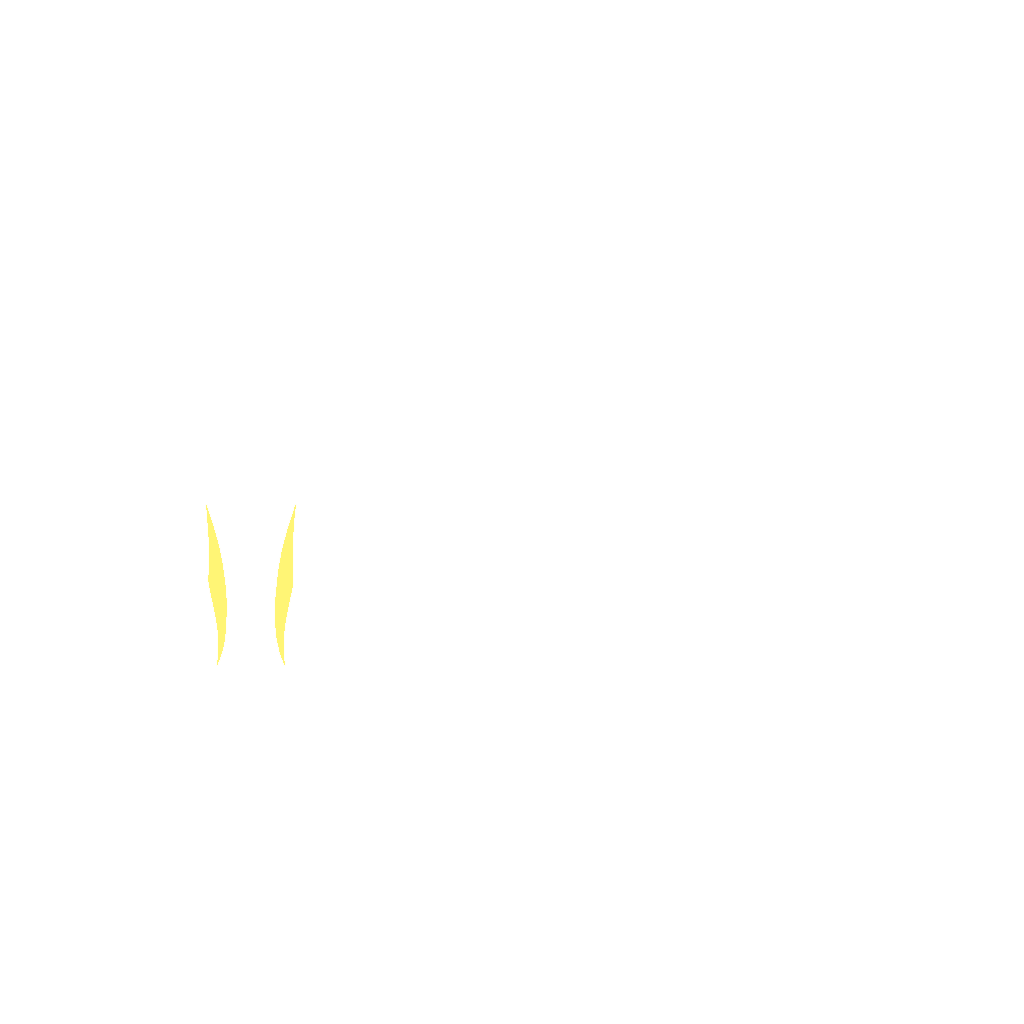





- Target
- Rectus Femoris, Vastus Lateralis
- Secondary
- Gluteus Maximus, Erector Spinae, Deltoid Anterior
- Tertiary
- Soleus Gastrocnemius, Gluteus Medius, Sartorius
How to do it
- 1
From a standing forward fold, step one foot back into a long stance and rise onto the ball of the back foot.
- 2
Bend the front knee toward 90 degrees, stacking it over the ankle.
- 3
Keep the back leg straight and strong with the heel lifted.
- 4
Lengthen the tailbone down and lift the chest to stack the torso upright.
- 5
Reach both arms overhead alongside the ears.
- 6
Hold with steady breath, then switch sides.
Tips
- Keep the front knee tracking over the middle toes and behind or above the ankle.
- Press back through the raised heel to feel the hip flexor of the back leg lengthen.
- Draw the front ribs down so the overhead reach does not overarch the lower back.
Variations
Common mistakes
- The stance is too short, so the back hip has nothing to lengthen against and the front knee runs past the toes at the same time; step the back foot further back before you bend.
- The back knee stays slightly bent for the whole hold, which drops the hip and leaves you in a sagging lunge instead of a long one.
- Side-to-side wobble gets solved by narrowing the feet onto one line, which turns a stance you could stand on into a tightrope; keep them about hip-width apart.
- The front foot's weight slides onto the toes as you settle in, so the heel goes light and the quad holds what the whole leg should be sharing.
- The head tips back to look up at the hands, and the back of the neck spends the entire hold pinched shut.
Frequently asked
- How many breaths should a beginner hold Crescent Lunge on each side?
- Five breaths per side to start, two rounds each, which is around 30 seconds a hold. Build toward a minute a side as the back leg learns to stay straight. It is worth treating this as leg training rather than a passing shape: the front quad and glute work the whole time, and holding it twice a side three times a week will show up in your other standing poses. Swap sides straight away rather than resting, and take the rest after both.
- How do I make Crescent Lunge less demanding, and how do I progress it?
- Easier: lower the back knee to the floor for a low lunge, rest the hands on the front thigh, on the hips, or on blocks either side of the front foot, and shorten the hold. Harder: sink the front knee closer to ninety degrees, press the back heel further behind you, hold longer, or pulse an inch up and down for ten reps before you finish. Coming into a small backbend with the arms overhead, or lifting the back foot off the floor entirely for a breath, adds a balance demand on top of the leg work.
- What does Crescent Lunge build, and when should I pick a different pose?
- It works the front-leg quad and glute while the back hip flexor lengthens, and balancing on a raised back heel trains front-to-back stability that grounded lunges never touch, which makes it a good bridge between mobility work and leg strength. Choose the low lunge instead if you mainly want the hip flexor stretch and would rather not manage the balance, and choose a loaded split squat if you want the legs to get stronger, since bodyweight runs out of challenge quickly here.
Related exercises
Other movements among FitRay's 2,000+ exercises that load the same target muscle — same equipment and level first.
- BeginnerBackward Lunge with ReachBody Weight · Glutes · Quads
- BeginnerCurtsy PulseBody Weight · Glutes · Quads
- BeginnerHalf-Kneeling Get-UpBody Weight · Glutes · Quads
- IntermediateLunge MatrixBody Weight · Glutes · Quads
- IntermediateSkater JumpBody Weight · Glutes · Quads
- IntermediateATG Split SquatBody Weight · Dumbbell · Glutes