Clapping Pull-Up
This is upper-body plyometrics for the pulling chain, training rate of force development in the lats and arms rather than grinding a slow rep. Use it once you own strict pull-ups and want to build the pulling power that carries over to muscle-ups and climbing. Keep volume low and every rep crisp.
- Equipment
- Pull-Up Bar
- Type
- Plyometric, Strength
- Browse by muscle
- Latissimus Dorsi
- Browse by movement
- Vertical Pull









- Target
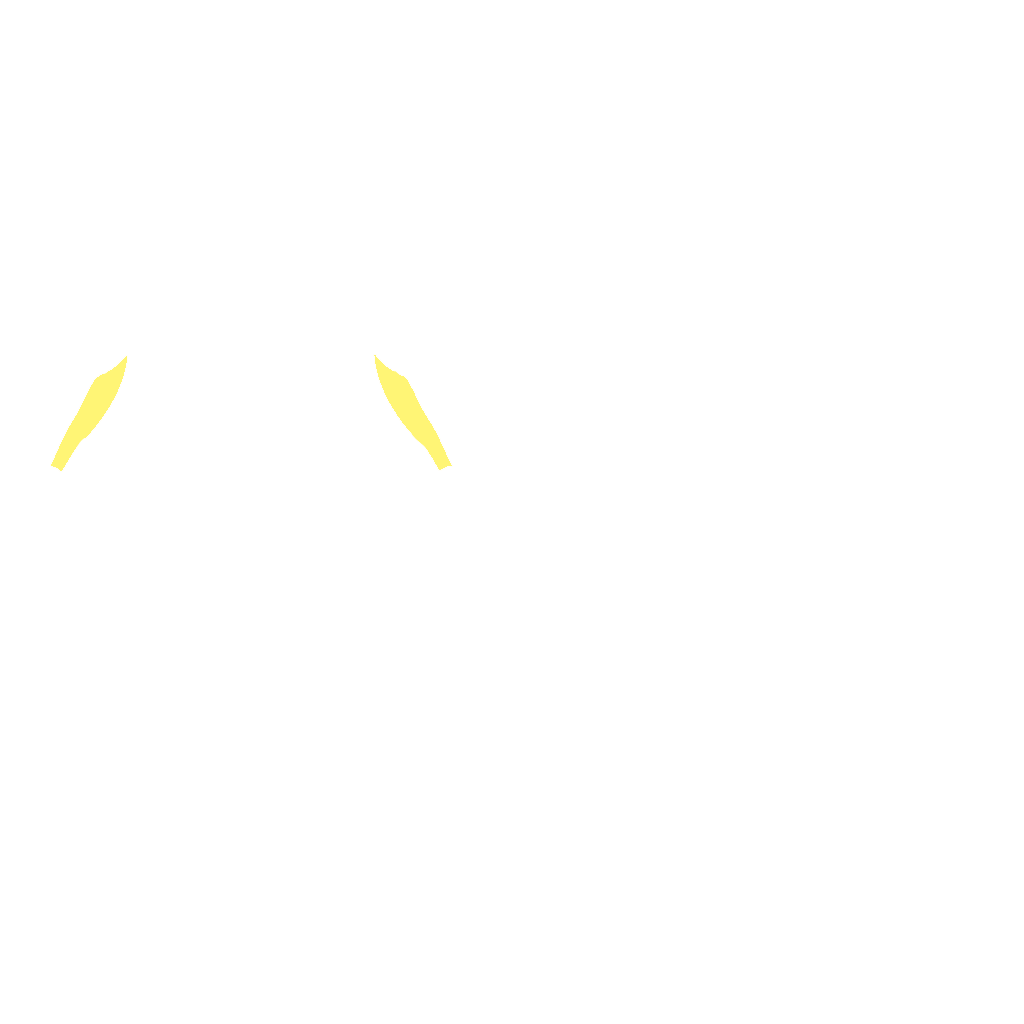
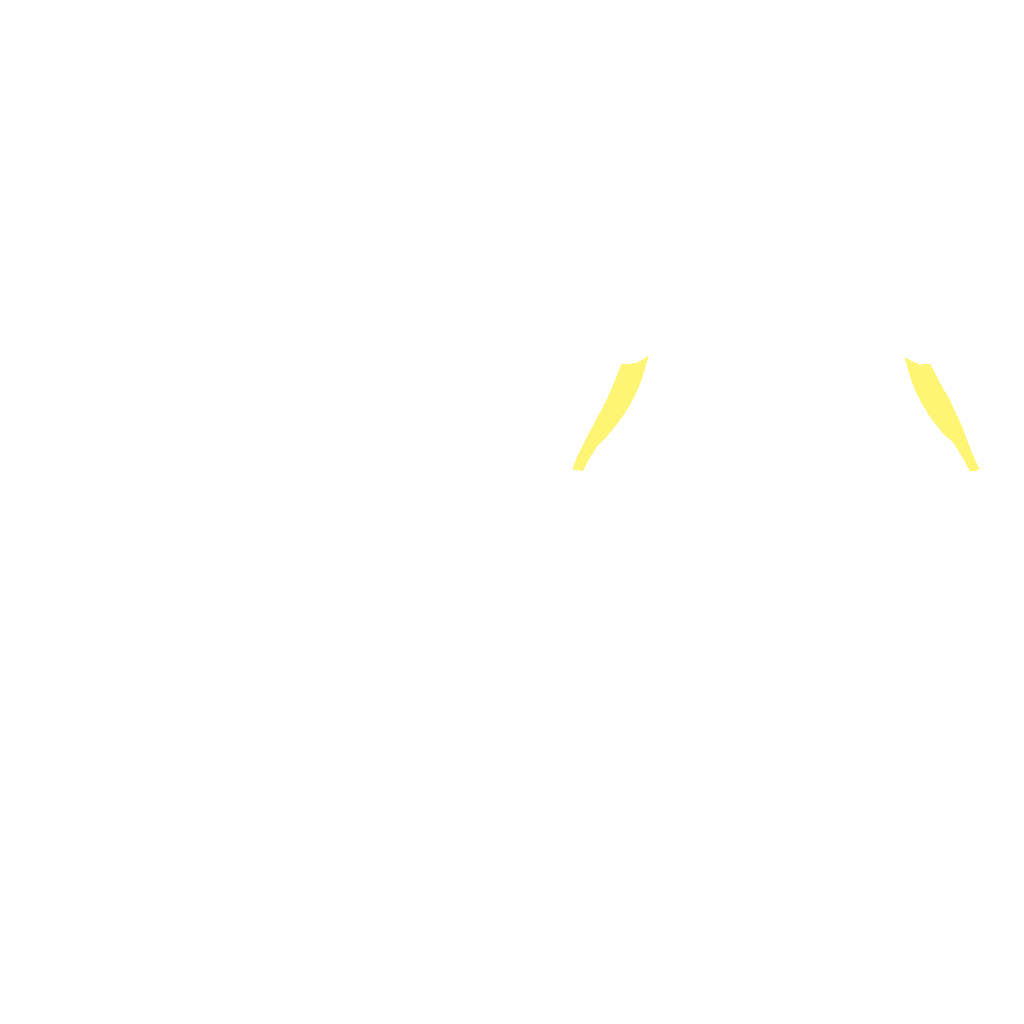
- Latissimus Dorsi
- Secondary
- Biceps Brachii Long Head, Biceps Brachii Short Head, Trapezius Middle, Trapezius Lower, Deltoid Posterior
- Tertiary
- Brachioradialis, Erector Spinae
How to do it
- 1
Hang from a bar with an overhand grip slightly wider than shoulder width and brace your core.
- 2
Pull explosively, driving the elbows down and back to accelerate your chest toward the bar.
- 3
At the top of the pull, release the bar as your momentum carries you upward.
- 4
Clap your hands quickly in front of your chest.
- 5
Re-grip the bar and absorb the landing by pulling actively and bending the elbows.
- 6
Reset to a controlled hang and repeat only while each rep stays powerful.
Tips
- Initiate with a hard scapular pull, not a leg kick, so the lats do the work.
- Time the clap fast and shallow; a wide showy clap costs you the re-grip.
- Stop the set the moment bar height drops, since fatigued reps are where wrists get hurt.
Variations
Common mistakes
- The pull stops at chin height, which leaves nowhere near enough clearance to let go, so the clap becomes a quick finger-lift and the rep teaches nothing. Pull the chest to the bar first.
- Hands slap back onto the bar with the fingers still open and the wrist loose, and on a fatigued rep that is the moment it gets hurt; close the grip hard before the bar takes your weight.
- Grip width creeps wider on each re-grip until the hands sit far outside where the pull started, which shortens the next pull before it begins.
- The knees fold up on the catch, swinging the body forward into the bar just as your face arrives there. Keep the legs long and slightly in front and brace the midsection through the catch.
- A missed re-grip means a fall from full height, so there should be a mat or forgiving ground underneath before the first attempt rather than after the first miss.
- Volume gets written as three sets of eight, when honest reps come in twos and threes. Treat these as singles and doubles with long rest.
Frequently asked
- How many clapping pull-ups should I do, and what do I need to own first?
- Own 10 to 12 strict pull-ups with the chest touching the bar, plus a few weeks of explosive pull-ups where the hands clearly leave the bar, before you add a clap. Then 5 to 6 sets of 2 to 3 reps with two to three minutes of rest, early in a session, twice a week at most. The set ends the instant the chest stops reaching the bar. Progress is a rep added to a set or a crisper clap, never a longer set.
- What can I do instead of clapping pull-ups without a pull-up bar?
- Rings or a suspension trainer hung high give you the same explosive pull, and releasing and re-gripping a ring has less at stake than a fixed bar. With nothing overhead, an explosive inverted row under a sturdy table with a hand release trains the same fast pull at a fraction of the load, and a band anchored above you and pulled down hard keeps the intent alive. If you only have a low bar, do explosive pull-ups with a release and no clap.
- What is the clapping pull-up good for, and when is it a poor choice?
- It trains rate of force development in the lats and arms at the top end of bodyweight pulling, which carries over to muscle-ups, rope climbing and competitive calisthenics. It is a poor way to build back size, since the reps are too few and too short, and a poor choice for anyone with a cranky elbow, shoulder or wrist, because the catch loads all three in a fraction of a second. It is also the wrong thing to put at the end of a pulling session.
Related exercises
Other movements among FitRay's 2,000+ exercises that load the same target muscle — same equipment and level first.
- AdvancedPull-UpPull-Up Bar · Back · Lats
- AdvancedBar Muscle-UpPull-Up Bar · Back · Lats
- AdvancedFront Lever RaisePull-Up Bar · Abs · Back
- AdvancedFull Front Lever HoldPull-Up Bar · Abs · Lats
- AdvancedWeighted Pull-UpPlate · Pull-Up Bar · Back
- AdvancedAdvanced Tuck Front Lever HoldPull-Up Bar · Abs · Lats