Chain Deadlift
With chains draped from the bar, more links leave the ground as the bar ascends, so the load grows through the pull and peaks at lockout where leverage is best. Unlike bands, chains deload cleanly at the bottom and add a small stabilizing challenge as they sway. It is a powerful way to train a strong finish and hip lockout for advanced lifters with a grooved deadlift.
- Type
- Strength
- Browse by muscle
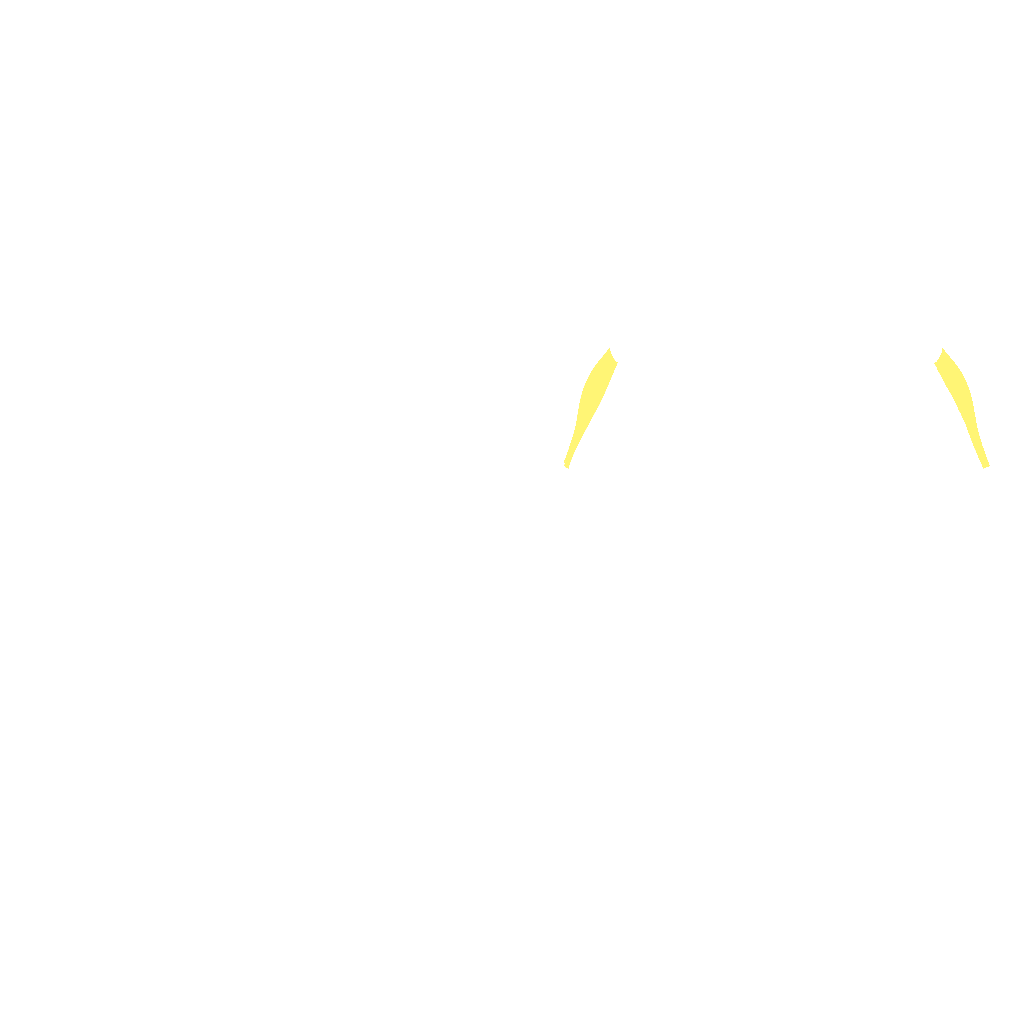
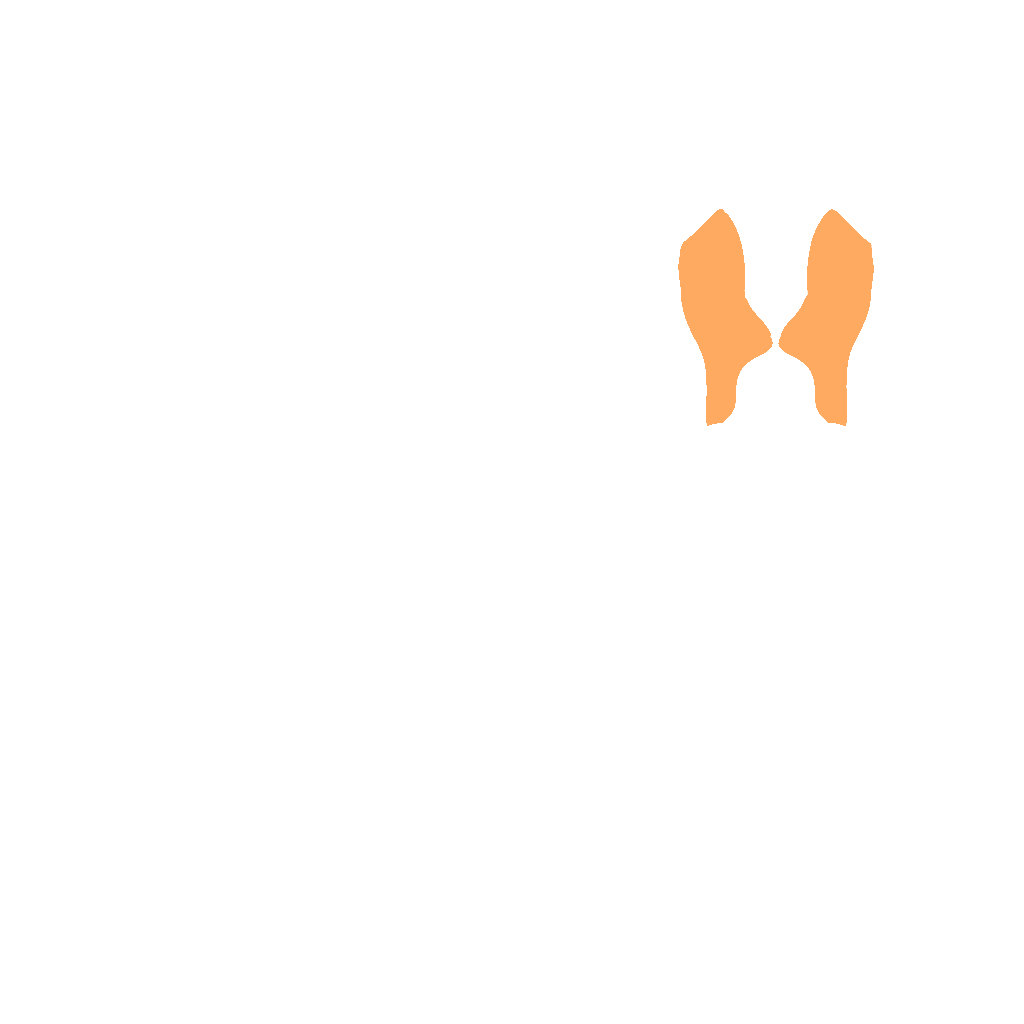
- Gluteus Maximus, Erector Spinae, Biceps Femoris, Semitendinosus
- Browse by movement
- Hinge














- Target
- Gluteus Maximus, Erector Spinae, Biceps Femoris, Semitendinosus
- Secondary
- Vastus Lateralis, Rectus Femoris, Latissimus Dorsi, Trapezius Upper, Trapezius Middle, Adductor Magnus
- Tertiary
- Brachioradialis, Extensors
How to do it
- 1
Attach heavy chains to each sleeve so most of the chain rests on the floor at the start.
- 2
Choose a bar load that, plus chain weight up top, keeps your positions strong.
- 3
Set your stance over mid-foot and pull the slack out of the bar.
- 4
Brace and pull, expecting the load to build as links leave the ground.
- 5
Finish with an aggressive hip drive to lock out against the full chain weight.
- 6
Lower under control, letting the chains settle, and reset before the next rep.
Tips
- Hang the chains so they clear the plates and do not catch your shins.
- Keep the hips driving through; the top is where the load is heaviest.
- Let the chains fully reset on the floor between reps for a clean start.
Variations
Common mistakes
- Heavy chains get added to a pull that is not yet consistent, and a load that changes as you rise simply amplifies whatever the hips were already doing wrong.
- Bar weight is chosen as your usual top set with the chains treated as a bonus, so the lockout becomes a slow grind at a weight you have never stood up with.
- Grip gives way first on a chain pull, because the heaviest moment comes at the top with the bar hanging from your fingers; chalk and a hook or mixed grip belong here.
- The chains land before the plates on the way down and kick the bar out of place, so the next rep starts from a bar that is no longer over mid-foot.
- Rep counts get borrowed from normal pulling, and sets of eight mean eight lockouts at a weight only the top of the pull ever sees; doubles and triples suit this better.
Frequently asked
- What bar weight and rep range suit the chain deadlift?
- Five or six sets of two or three at 60 to 70 percent bar weight with one pair of chains, resting two to three minutes, every rep reset on the floor. You should already pull a triple at 85 percent with the same back position before adding chains, because the load arrives at the same time fatigue does. Add a second pair of chains before you add plates, and run it for three or four weeks rather than all year.
- No chains at my gym: how else can I train what the chain deadlift trains?
- Bands anchored low give the same rising resistance and are far easier to find, though band tension climbs more sharply near the top, so take more weight off the bar. Rack pulls or block pulls from knee height overload the same finish with nothing hanging off the bar. With none of those available, pull straight weight and drive hard through the last few inches, since the intent matters more than the hardware.
- What does a chain deadlift actually train, and when is it a poor choice?
- Links lift off the floor as you stand, so the bar is lightest where the pull starts and heaviest at lockout, which trains the hip drive that finishes a heavy deadlift and teaches you to keep pushing rather than coasting. It suits advanced lifters with a consistent pull. It is a poor choice for a weak start off the floor, since the chains take load away from exactly that range, and poor value for size, because the reps stay low. Chains also swing and rattle, so they are not for a crowded platform.
Related exercises
Other movements among FitRay's 2,000+ exercises that load the same target muscle — same equipment and level first.