Curtsy Lunge
The curtsy lunge steps back and across the midline, putting the front-leg glute medius under a strong stability demand while the adductors help control the cross. It is excellent for building the side glutes and inner thigh together, improving hip control that protects the knee. Master the balance with body weight before adding dumbbells.
- Equipment
- Body Weight, Dumbbell
- Type
- Balance, Strength
- Browse by muscle
- Gluteus Maximus, Gluteus Medius
- Browse by movement
- Lunge




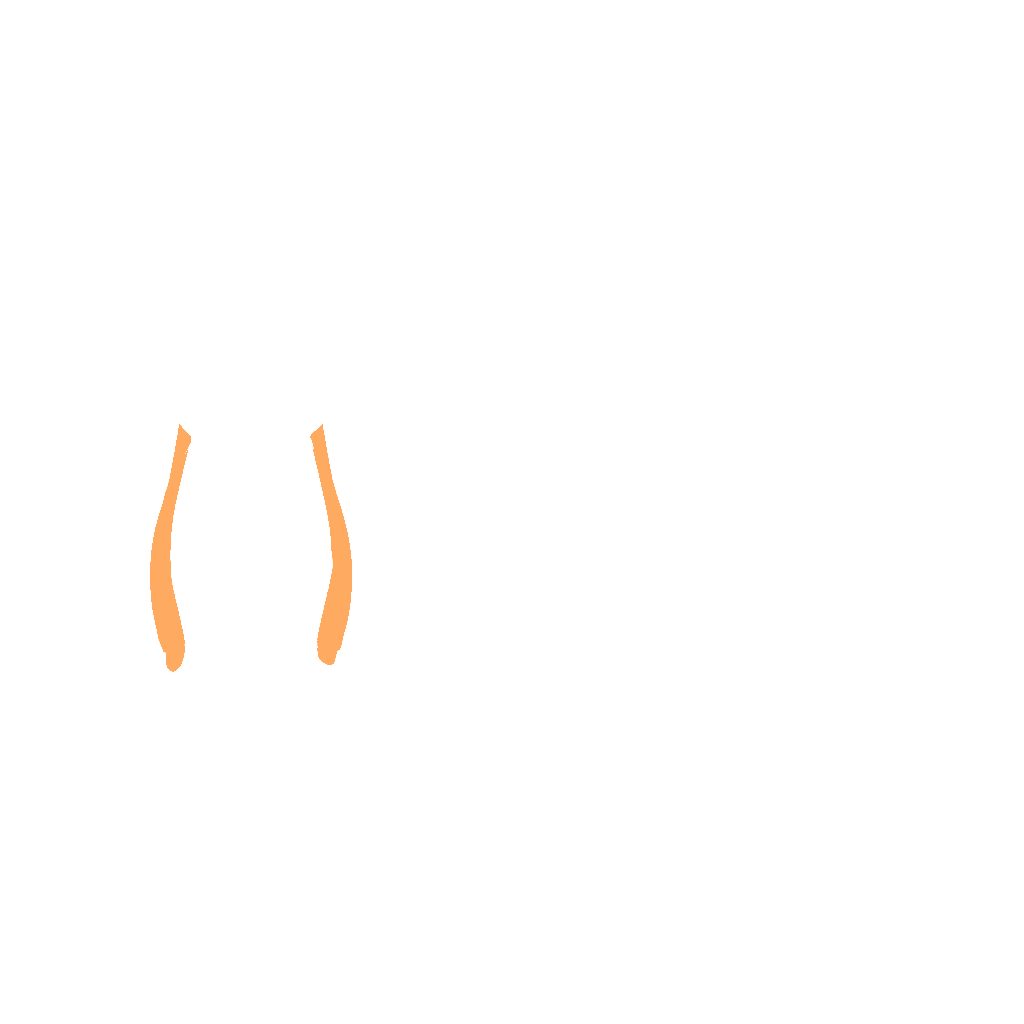

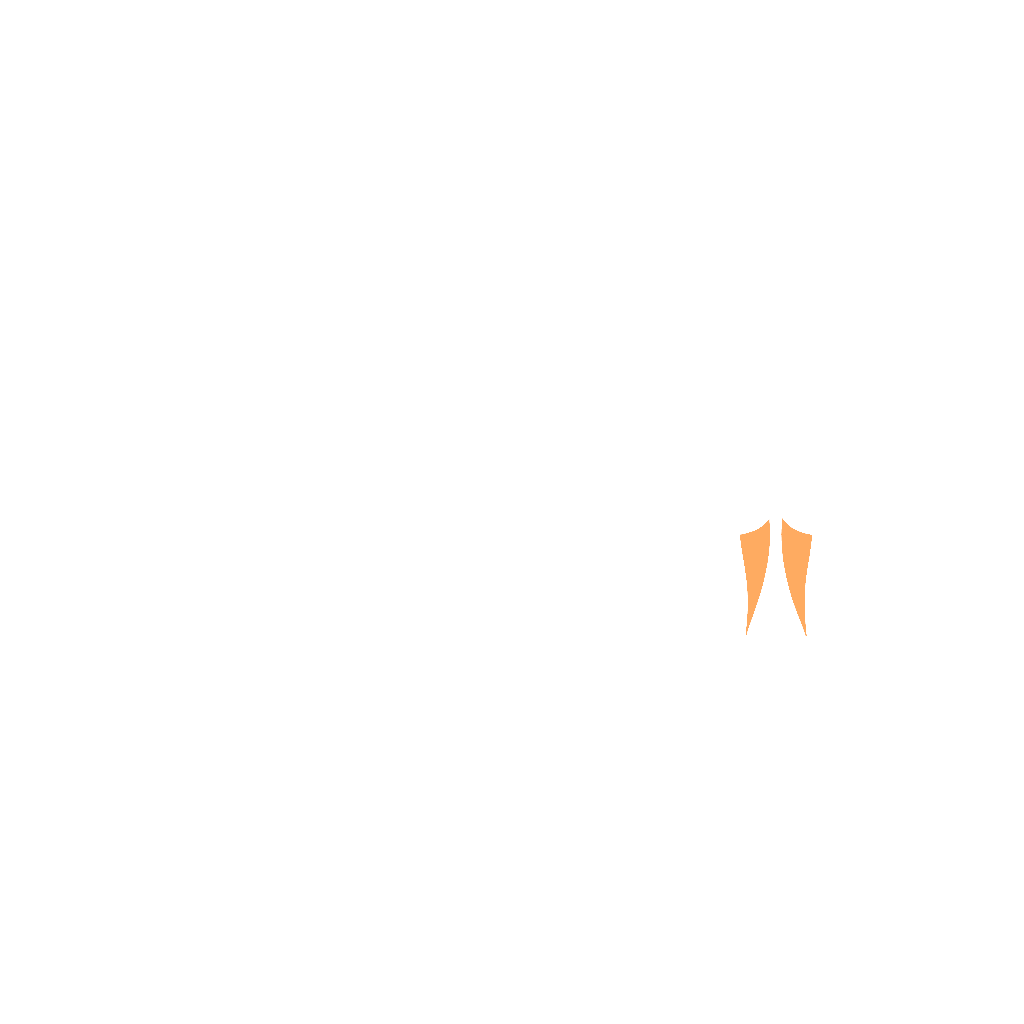


- Target
- Gluteus Maximus, Gluteus Medius
- Secondary
- Vastus Lateralis, Rectus Femoris, Adductor Magnus
- Tertiary
- Adductor Longus, Erector Spinae
How to do it
- 1
Stand tall with feet hip width, holding dumbbells at your sides if desired.
- 2
Step one leg back and across behind the other, like a curtsy.
- 3
Bend both knees to lower your back knee toward the floor.
- 4
Keep your front foot flat and your torso upright as you descend.
- 5
Drive through the front heel to stand and return the rear leg to start.
- 6
Alternate sides or finish all reps on one leg first.
Tips
- Keep the front knee tracking over the foot; do not let it collapse inward.
- Cross far enough behind to feel the outer front hip working.
- Own the balance with body weight before you reach for load.
Variations
Common mistakes
- The torso rotates to follow the crossing leg, so the hips end up square to the rear foot and the outer glute you were aiming for stops working.
- The front foot pivots on the ball as the rear leg crosses behind, and that twist gets absorbed by the knee; plant the front foot and let the hip do the rotating.
- Depth gets chased by dropping the rear knee to the floor with a thud, which is a fall rather than a controlled lower; stop an inch short and own the last part.
- Because the stance is narrow and crossed, balance decides the final reps; if you are staggering to stay upright, the working hip is no longer the limiting factor and the set is over.
- Dumbbells held at the sides swing into the legs on the cross; hold one at your chest instead, or keep the pair at the shoulders so the path stays clear.
Frequently asked
- How many sets and reps of the curtsy lunge should you do when you are new to the exercise?
- Three sets of 8 to 10 reps per leg with body weight, and only add dumbbells once you can complete all of them without the front knee wandering. Finish all the reps on one side before switching, since alternating hides which side is struggling. Twice a week fits comfortably alongside squats or lunges.
- How do I make the curtsy lunge easier or harder?
- Easier: hold a doorframe with one hand, shorten the cross so the rear foot lands closer behind, or reduce the depth to a half rep. Harder: hold a dumbbell at your chest, pause two seconds at the bottom, stand on a small step so the rear leg travels further, or slow the lowering to three seconds. The cross behind you is what makes it work, so keep that before adding load.
- What is the curtsy lunge good for, and who should skip it?
- It trains the gluteus medius and the adductors together while asking the front hip to stop the knee falling inward, which is the control runners and jumpers need. It is a poor choice if the crossed position makes your knee ache, since the twist loads it at an angle; a lateral lunge or a reverse lunge gives similar work without the cross. It is also not a leg-size builder on its own.
Related exercises
Other movements among FitRay's 2,000+ exercises that load the same target muscle — same equipment and level first.
- IntermediateLunge MatrixBody Weight · Glutes · Quads
- IntermediateSkater JumpBody Weight · Glutes · Quads
- IntermediateDrop-Lunge WalkBody Weight · Glutes · Thighs
- IntermediateLateral LungeBody Weight · Dumbbell · Glutes
- IntermediateReverse Lunge with Thoracic RotationBody Weight · Abs · Quads
- IntermediateScissor JumpBody Weight · Glutes · Quads