Dumbbell High Pull
The high pull marries a hip snap to a tall upright pull, blasting the traps and side delts while training the same triple-extension speed that feeds the clean and snatch. It is a friendlier on-ramp to power work than the barbell versions because the dumbbells travel outside the thighs and let the elbows climb freely. Use it as a power primer or a conditioning finisher pulled with intent.
- Equipment
- Dumbbell
- Type
- Functional, Strength
- Browse by muscle
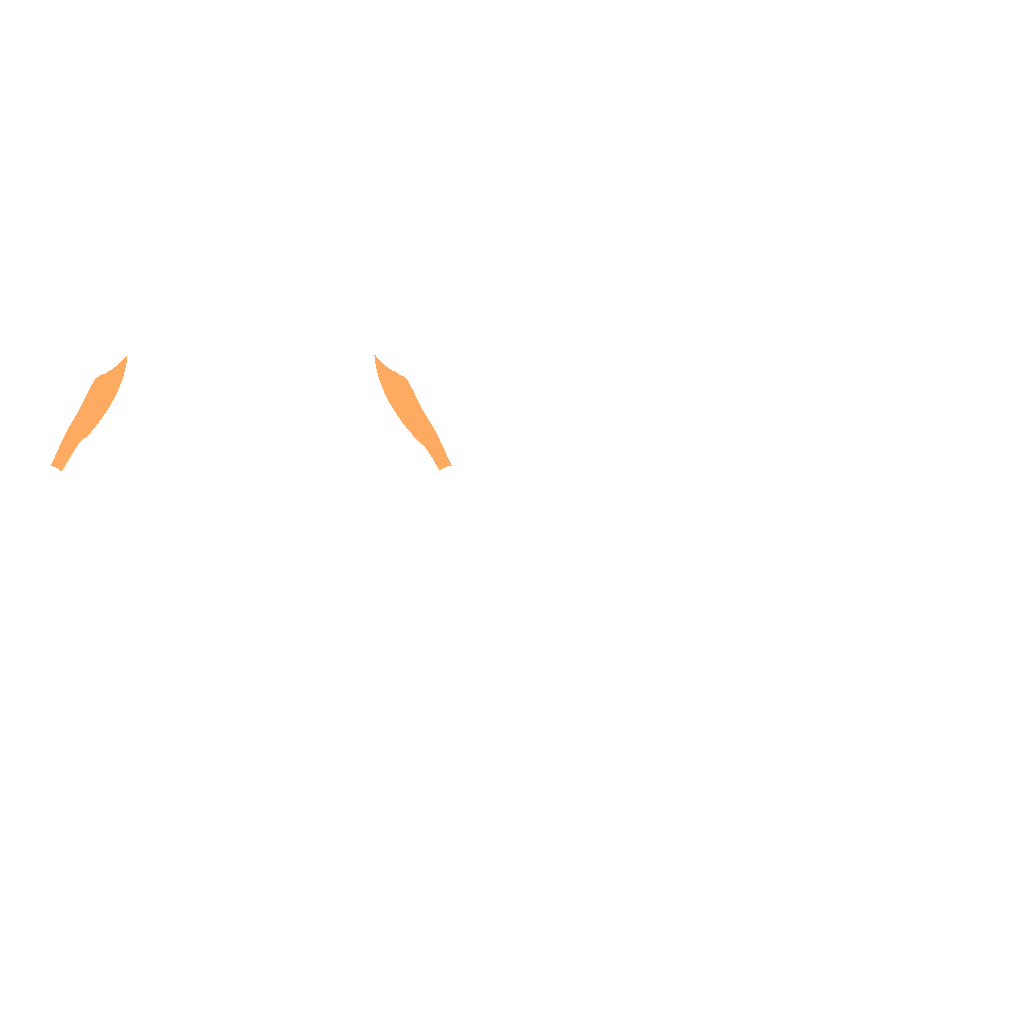
- Trapezius Upper, Deltoid Middle, Deltoid Posterior
- Browse by movement
- Hinge, Shoulder Raise











- Target
- Trapezius Upper, Deltoid Middle, Deltoid Posterior
- Secondary
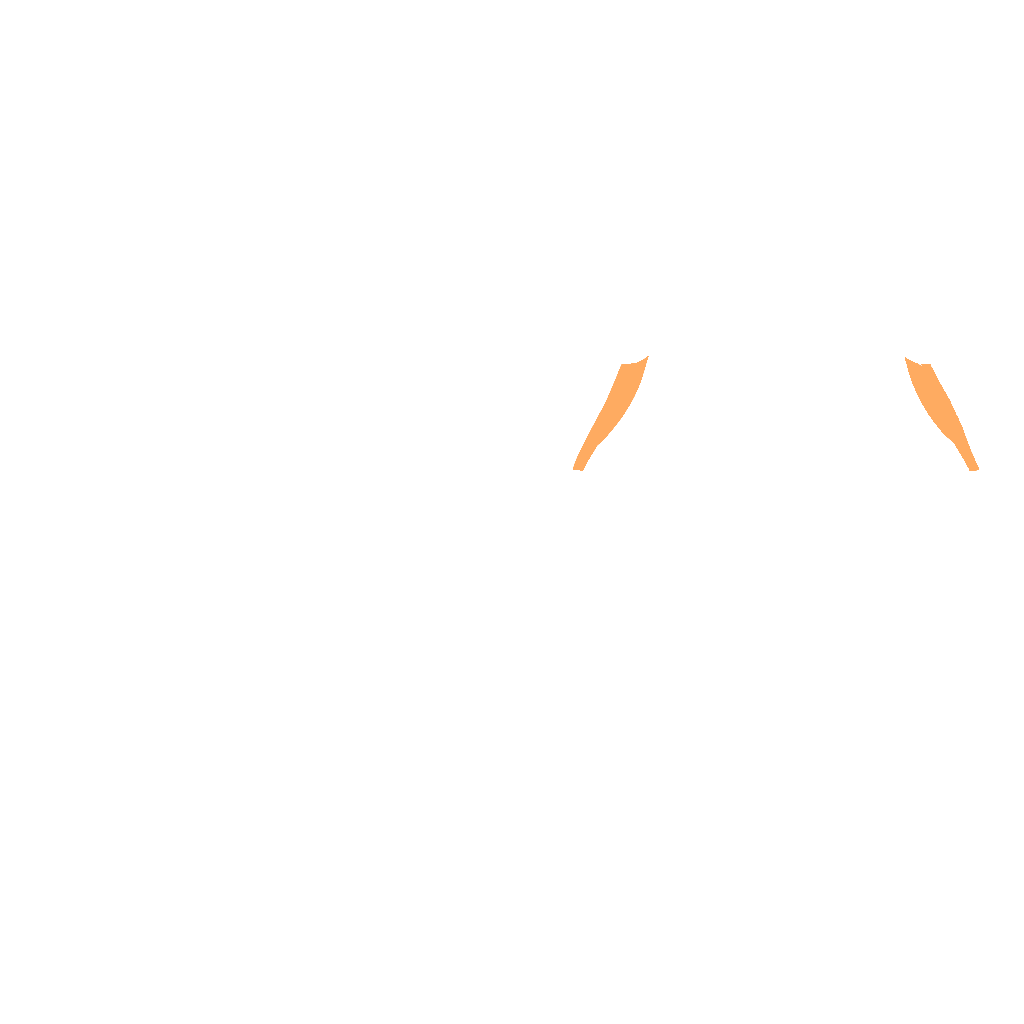
- Gluteus Maximus, Biceps Femoris, Trapezius Middle, Brachioradialis
- Tertiary
- Erector Spinae, Deltoid Anterior, Semitendinosus
How to do it
- 1
Stand with feet hip-width holding a dumbbell in each hand at arms length in front of the thighs.
- 2
Hinge at the hips to lower the bells toward the knees, keeping a flat back and long arms.
- 3
Drive the hips forward explosively and extend the knees and ankles to accelerate the dumbbells up.
- 4
As the bells rise, pull the elbows high and wide so they finish above the wrists near chest height.
- 5
Control the dumbbells back down along the same path and re-hinge for the next rep.
- 6
Keep every pull crisp and forceful rather than letting the reps drift into a slow grind.
Tips
- Let the hip snap start the pull; the arms only guide the bells after the legs have fired.
- Lead with the elbows, not the hands, to keep the load driving upward instead of swinging out.
- Keep the dumbbells close to the body so the pull stays vertical and easy on the low back.
Variations
Common mistakes
- The hinge turns into a quarter squat with the knees traveling forward, which takes the hamstrings and glutes out of the launch and leaves the arms to make up the difference.
- The elbows finish level with the hands rather than above them, so the top of the pull becomes a front raise the shoulders have to hold.
- One dumbbell finishes higher than the other, usually on the dominant side, and the torso tips a few degrees toward the low hand on every rep.
- Once the set passes eight or nine reps the pull becomes a slow drag, and what was meant as power work quietly turns into a fatiguing upright row.
Frequently asked
- How many reps of the dumbbell high pull should you do when you are new to the exercise?
- Treat it as speed work rather than a burn: five sets of 3 to 5 reps, done early in the session with dumbbells around a third of what you would row for reps. Reset at the thighs between reps so each one starts from a real hinge. When the fifth rep still finishes with the elbows above the wrists, move up one small increment rather than adding reps.
- What can I use instead of dumbbells for the high pull?
- A single kettlebell pulled with both hands travels almost the same path, and a barbell high pull is the closest match if a bar is free, though it fixes your hands in one place. With no weights at all, loop a heavy band under both feet, hinge, and pull it fast to chest height with the elbows leading.
- What is the dumbbell high pull good for?
- It is an approachable way to train hip drive and triple extension, and because the dumbbells travel outside the thighs the elbows can climb freely, which makes it a useful power primer or a conditioning finisher. It is a poor pick for building shoulder or trap size, where controlled rows, shrugs and raises give the muscle more time under load. Pulling with high elbows also rolls the shoulders inward at the top, so if the joint pinches there, finish lower or use a hang clean instead.
Related exercises
Other movements among FitRay's 2,000+ exercises that load the same target muscle — same equipment and level first.
- IntermediateDumbbell Deadlift to High PullDumbbell · Glutes · Traps
- IntermediateSingle-Arm Dumbbell Clean and PressDumbbell · Shoulder · Traps
- IntermediateDead-Stop Dumbbell Lateral RaiseDumbbell · Shoulder
- IntermediateDumbbell CleanDumbbell · Glutes · Hamstring
- IntermediateDumbbell Cuban PressDumbbell · Shoulder
- IntermediateDumbbell Gorilla CleanDumbbell · Glutes · Traps