Front Foot Elevated Split Squat
Elevating the front foot lets the front knee travel further and the hip sink lower, adding range that loads the front-leg quad and adductor through a longer, deeper stretch than a flat split squat. Unlike a rear-foot-elevated setup, the front-foot version keeps the rear foot on the floor, so it feels more stable while still loading the working leg. It is a joint-friendly way to build single-leg strength and depth for lifters of most levels.
- Equipment
- Dumbbell
- Type
- Balance, Strength
- Browse by muscle
- Rectus Femoris, Vastus Lateralis
- Browse by movement
- Lunge






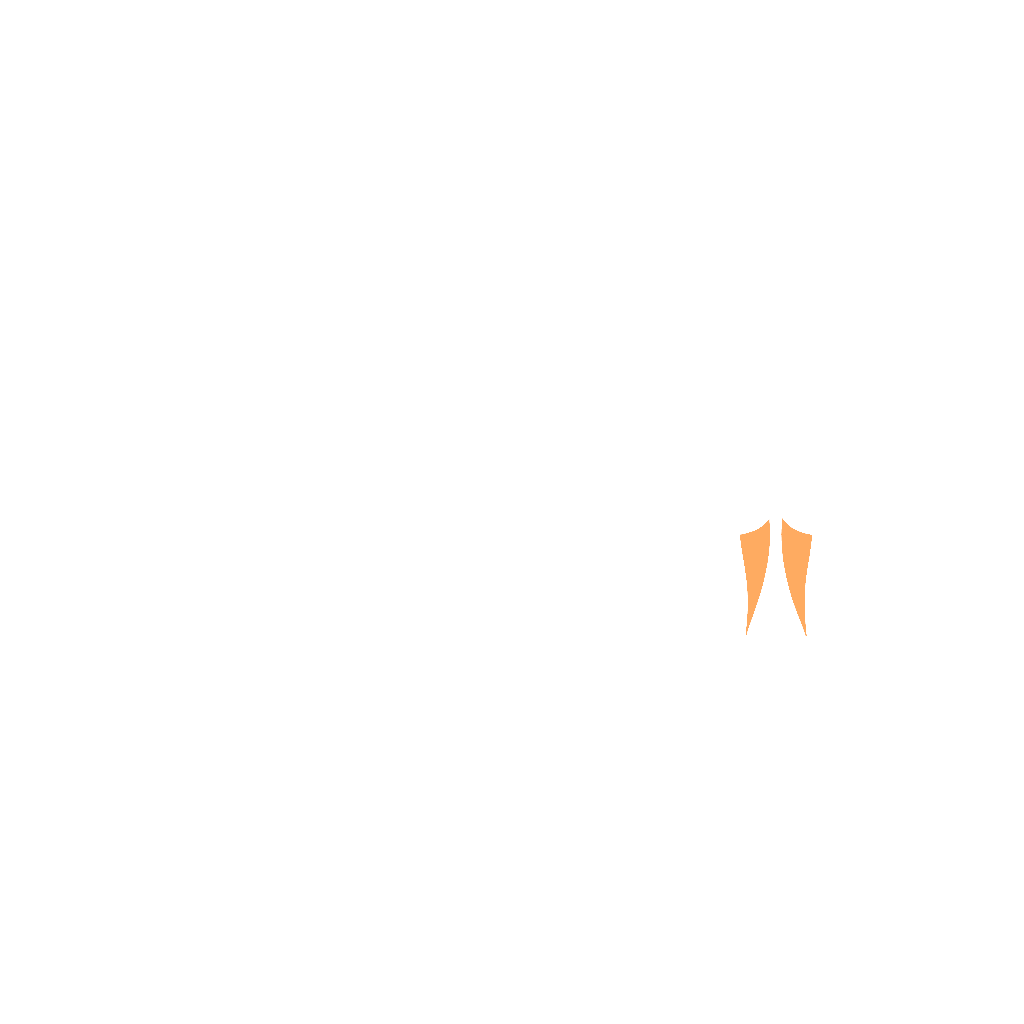


- Target
- Rectus Femoris, Vastus Lateralis
- Secondary
- Gluteus Maximus, Adductor Magnus
- Tertiary
- Gluteus Medius, Biceps Femoris, Erector Spinae
How to do it
- 1
Place a sturdy plate or low platform under where your front foot will land.
- 2
Step into a split stance with the front foot flat on the plate and the rear foot back on the floor.
- 3
Hold dumbbells at your sides and brace your core with the torso upright.
- 4
Lower straight down until the rear knee approaches the floor and the front thigh passes parallel.
- 5
Keep most of your weight over the front foot and the front shin tracking over the toes.
- 6
Drive through the front foot to stand, finishing all reps before switching legs.
Tips
- Push through the front foot, not the back toes, to keep the load on the working quad and glute.
- Sink straight down between the feet rather than pitching forward over the plate.
- Start with a low elevation and add height as your control and mobility improve.
Variations
Common mistakes
- Standing on the front edge of the plate with the heel hanging off the back. The heel needs full contact, or the extra depth only tips you onto the ball of the foot.
- Letting the rear leg straighten and the heel drop, which turns the movement into a hip flexor stretch. The rear knee should bend and travel down, not push back.
- Choosing a platform narrower than your foot, so the outside edge has nothing under it. The ankle rolls at the bottom, which is where the added depth already asks the most of it.
- Loading the same dumbbells you use for a flat split squat. The longer range makes the same weight noticeably harder, and the extra depth is where people lose position first.
- Stepping onto the plate in a slightly different spot each set, so the two legs never work at the same stride length or the same depth.
Frequently asked
- How many reps of the front foot elevated split squat should I do?
- Three sets of eight to ten per leg. The order of progression matters here: get all three sets clean at a given height, then raise the platform an inch, and only add dumbbells once the deeper position is comfortable. Height and load together in the same week is how people end up sore in the hip rather than the quad. Two sessions a week suits it, with the weaker leg leading every set.
- What can I use instead of a plate for the front foot elevated split squat?
- A low aerobic step, a sturdy stair or a bumper plate lying flat all work, provided the surface will not tip and gives your whole foot room. Two to four inches is enough to feel the difference. If you have nothing safe to stand on, keep both feet on the floor and add a three-second pause at the bottom instead, which loads a similar position without needing the extra range.
- What is the front foot elevated split squat good for?
- Raising the front foot lets the knee travel further and the hip sink lower, so the front-leg quad and adductor work through a longer, deeper range than a flat split squat allows, while the rear foot stays on the floor and the position stays stable. That combination makes it a joint-friendly way to build single-leg strength. It is a poor choice when limited ankle or hip range means the extra depth comes out of the low back instead.
Related exercises
Other movements among FitRay's 2,000+ exercises that load the same target muscle — same equipment and level first.
- IntermediateBulgarian Split SquatBench · Dumbbell · Glutes
- IntermediateATG Split SquatBody Weight · Dumbbell · Glutes
- IntermediateDeficit Reverse LungeBox · Dumbbell · Glutes
- IntermediateDumbbell Lateral Lunge to PressDumbbell · Quads · Shoulder
- IntermediateDumbbell Reverse Lunge to Overhead PressDumbbell · Quads · Shoulder
- IntermediateLateral LungeBody Weight · Dumbbell · Glutes