Deficit Reverse Lunge
Standing on a plate or low box lets the rear knee travel below the level of the front foot, adding several inches of range that stretch and load the front-leg quad and glute much harder than a floor lunge. The extra depth builds strength and mobility through the deep hip and knee position while still keeping the stable, knee-friendly backward step. Master the standard reverse lunge and single-leg balance before adding the deficit.
- Type
- Balance, Strength
- Browse by muscle
- Rectus Femoris, Vastus Lateralis
- Browse by movement
- Lunge



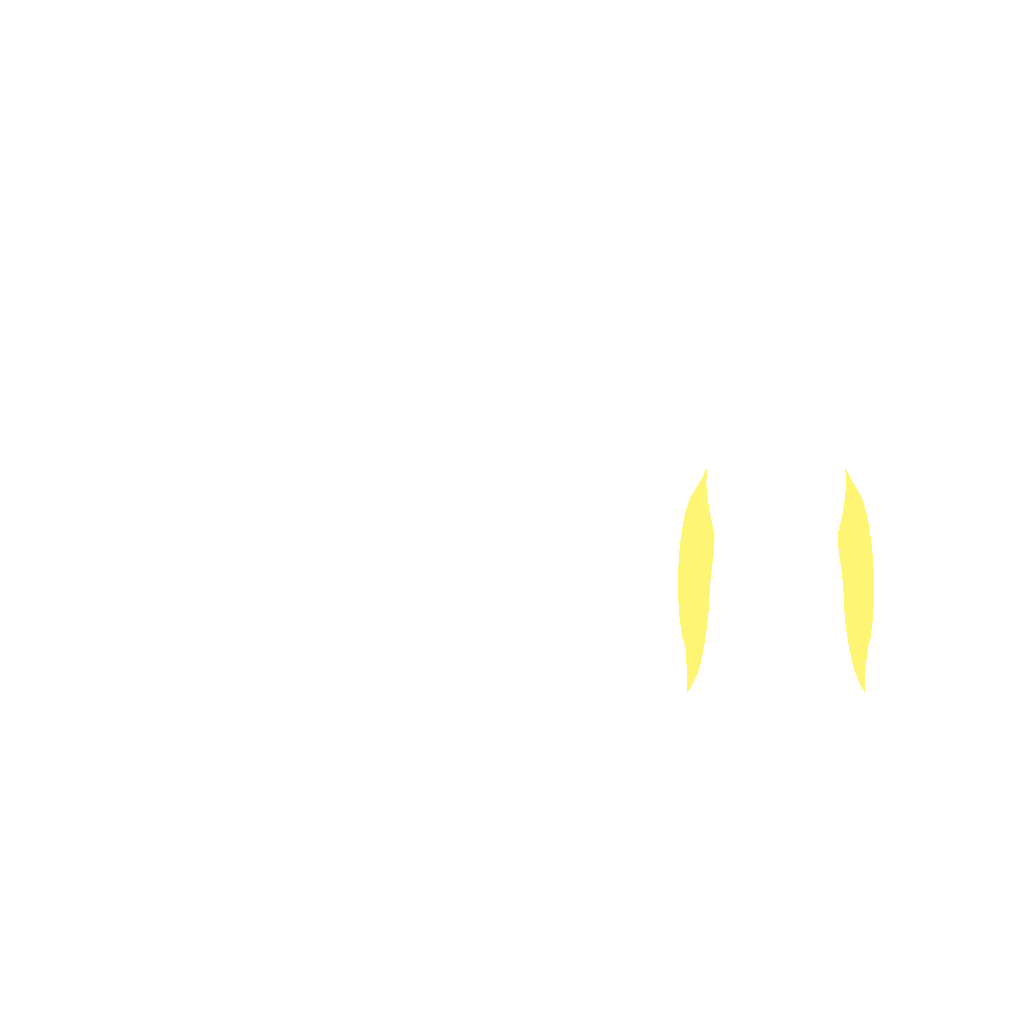


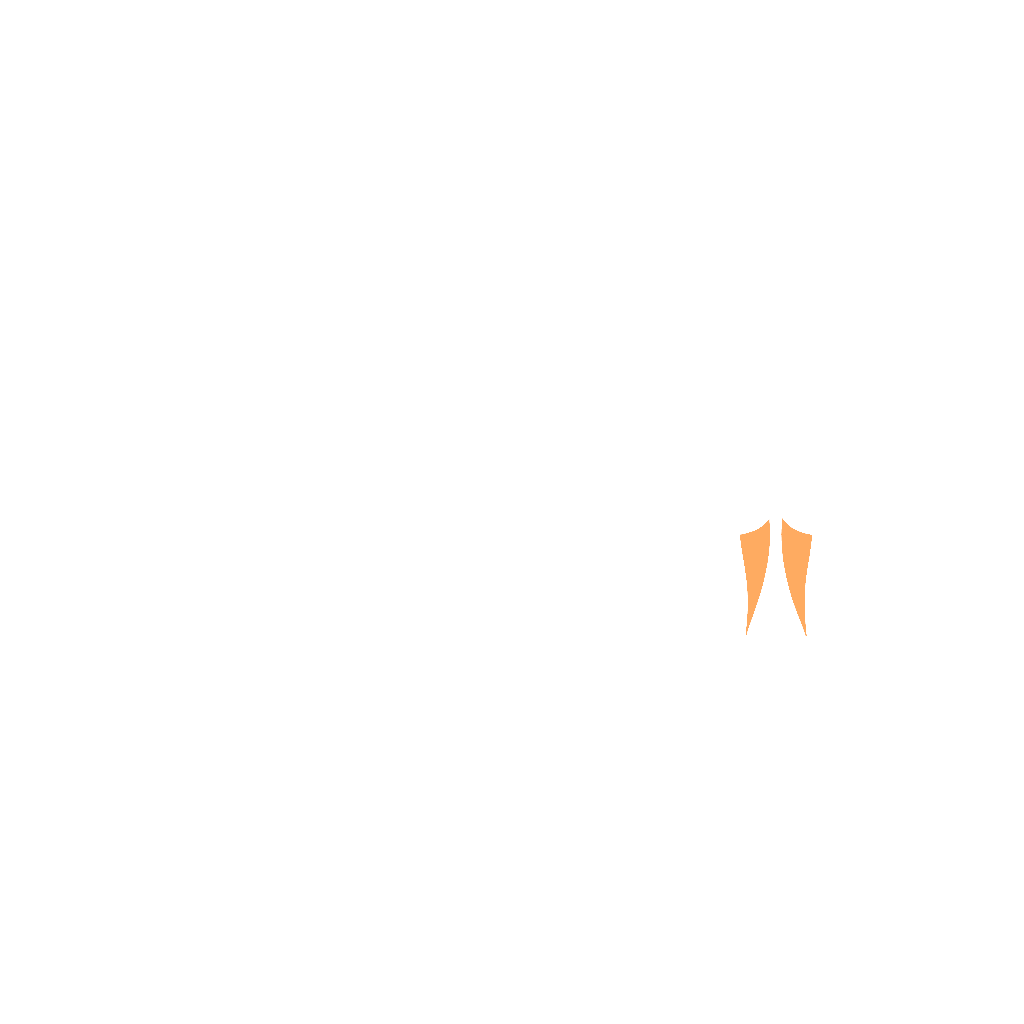


- Target
- Rectus Femoris, Vastus Lateralis
- Secondary
- Gluteus Maximus, Adductor Magnus
- Tertiary
- Gluteus Medius, Biceps Femoris, Erector Spinae
How to do it
- 1
Stand on a sturdy plate or low platform a few inches high, holding dumbbells at your sides.
- 2
Step one foot straight back off the platform and lower under control.
- 3
Descend until the rear knee drops below the level of the front foot and the front thigh passes parallel.
- 4
Keep the front shin fairly vertical and most of your weight over the front foot.
- 5
Drive through the front heel to bring the rear foot back up onto the platform.
- 6
Finish all reps on one leg or alternate, keeping the torso tall throughout.
Tips
- Start with a small deficit and add height only once you can control the deeper range.
- Push through the front heel, not the back toes, to keep the load on the working quad and glute.
- Keep the chest up and core braced so the added depth does not tip you forward.
Variations
Common mistakes
- Getting back onto the platform is where people trip, especially in the last reps; step the rear foot up deliberately rather than swinging it in from behind.
- The platform is a stack of bumper plates that shifts under load; use one solid plate or a low box that will not slide when you push off it.
- The front heel rolls off the edge because the foot was set too close to one side; plant the whole foot in the middle of the platform before the first rep.
- The hips twist at the bottom to reach the extra depth, and the deeper you go the more that rotation costs the front knee; square the hips before you descend.
- The rear knee is used as a depth gauge and lands on the floor from a greater height than usual, which is a much harder knock than at floor level.
Frequently asked
- How many sets and reps of the deficit reverse lunge should I do?
- Three sets of six to eight per leg on a two to three inch platform, with lighter dumbbells than you would use on the floor, since the extra range is what makes it hard. Stay at the smallest deficit for two or three weeks before raising it. If the last reps have you reaching down with the rear foot to find the floor early, the set is over.
- What can I use instead of a plate or box for the deficit?
- The bottom step of a staircase works, as long as there is open space behind it to step into. A sturdy aerobic step or a solid low platform does the same job. With no safe platform at all, a rear-foot-elevated split squat gives the front leg a similar deep-range stretch using a bench, with easier balance.
- What is the deficit reverse lunge good for?
- The extra range loads the front-leg quad and glute at length and asks more of hip mobility than a floor lunge, which makes it a good strength and control builder for athletes and experienced lifters. It is a poor choice if you cannot yet reach a clean bottom position on the floor, since the deficit exaggerates whatever is going wrong. If heavy loading is the goal, a floor-level barbell reverse lunge is easier to add weight to safely.
Related exercises
Other movements among FitRay's 2,000+ exercises that load the same target muscle — same equipment and level first.
- IntermediateBulgarian Split SquatBench · Dumbbell · Glutes
- IntermediateATG Split SquatBody Weight · Dumbbell · Glutes
- IntermediateDumbbell Lateral Lunge to PressDumbbell · Quads · Shoulder
- IntermediateDumbbell Reverse Lunge to Overhead PressDumbbell · Quads · Shoulder
- IntermediateFront Foot Elevated Split SquatDumbbell · Glutes · Quads
- IntermediateLateral LungeBody Weight · Dumbbell · Glutes