Bulgarian Split Squat
Elevating the rear foot shifts almost all the load onto the front leg and lets the working quad and glute travel through a deep, demanding range. It builds serious single-leg strength and stability while challenging balance, which is why athletes lean on it heavily. The balance demand makes it tougher than a floor split squat, so earn it there first.
- Type
- Balance, Strength
- Browse by muscle
- Rectus Femoris, Vastus Lateralis
- Browse by movement
- Lunge



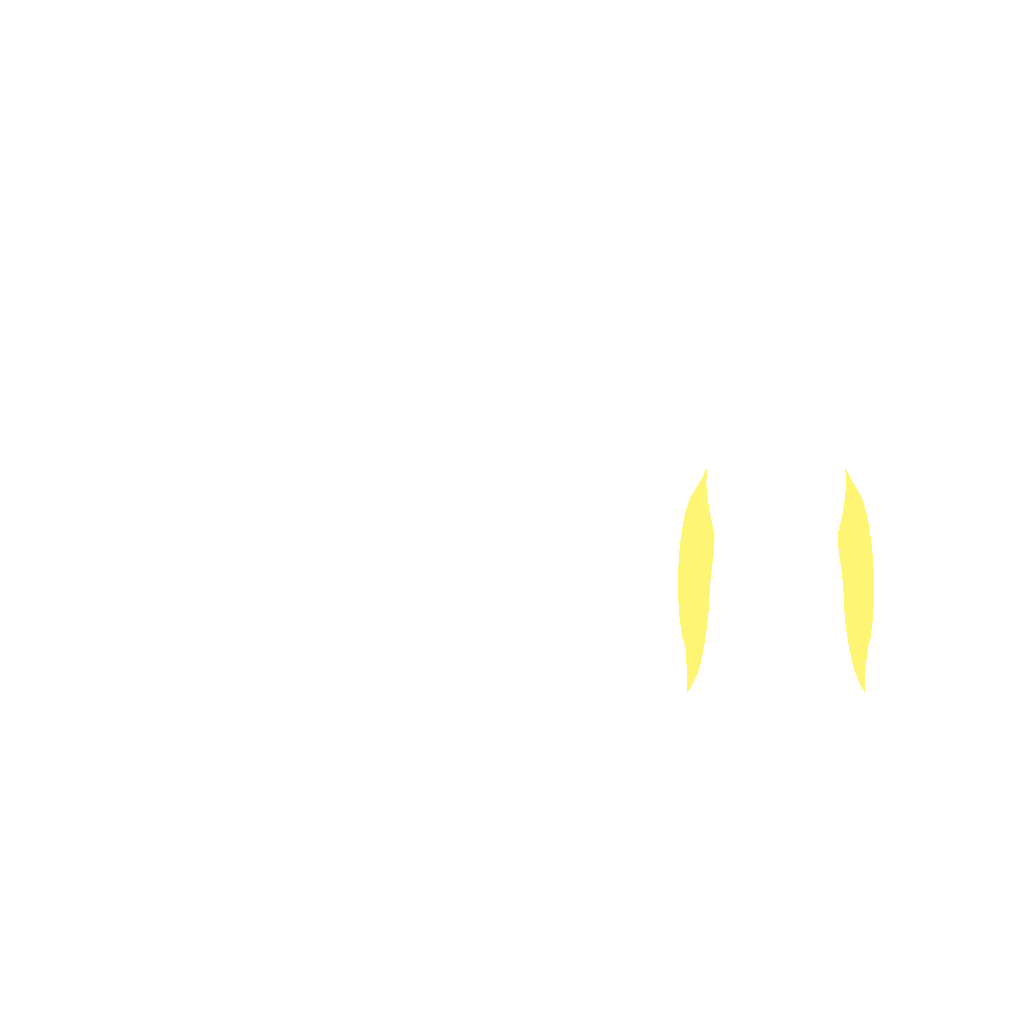

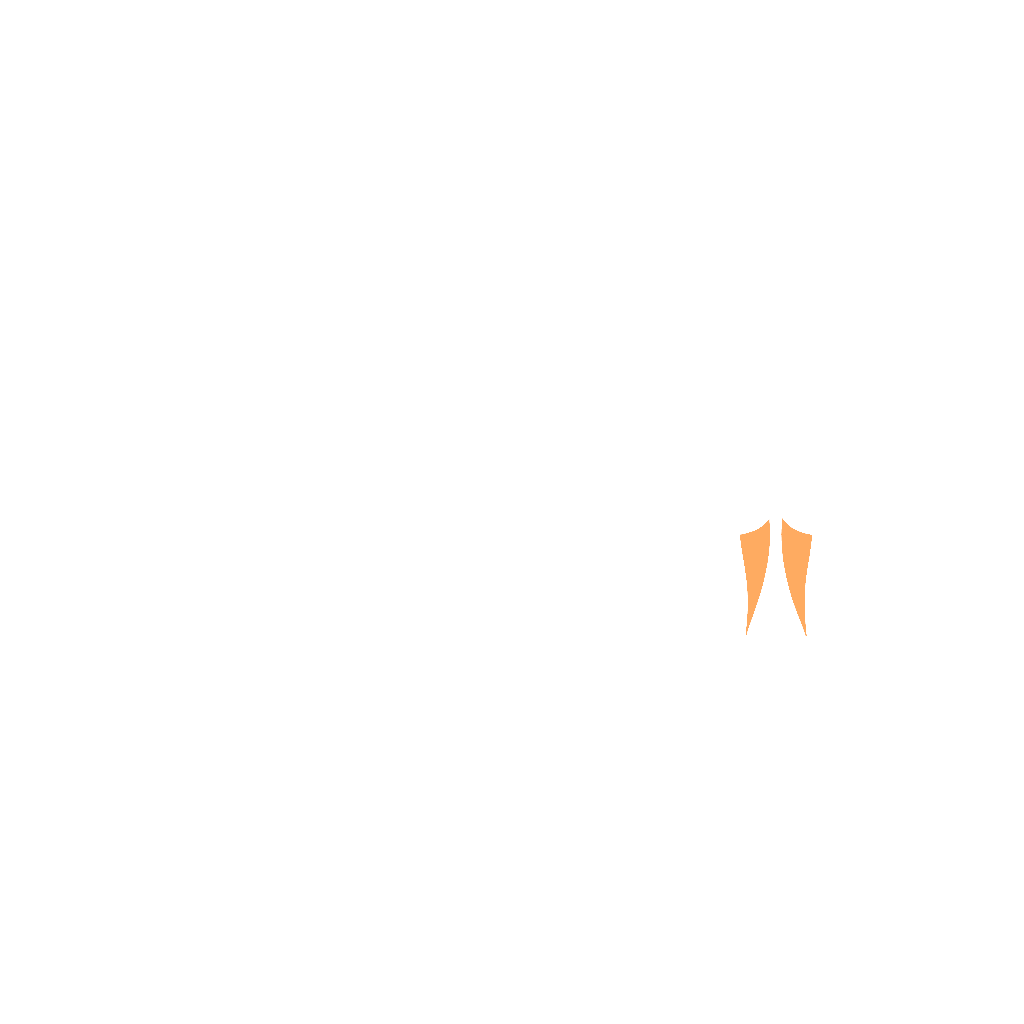


- Target
- Rectus Femoris, Vastus Lateralis
- Secondary
- Gluteus Maximus, Adductor Magnus
- Tertiary
- Gluteus Medius, Biceps Femoris
How to do it
- 1
Stand a stride in front of a bench and rest the top of your rear foot on it.
- 2
Hold dumbbells at your sides and set the front foot far enough forward for a vertical shin at the bottom.
- 3
Brace the core and lower straight down by bending the front knee.
- 4
Descend until the front thigh is parallel and you feel a stretch in the rear hip.
- 5
Drive through the front heel to stand back up without bouncing off the bottom.
- 6
Finish all reps on one leg before switching sides.
Tips
- Adjust the front foot forward until the front heel stays planted at the bottom; the knee can travel past the toes as long as the heel stays down.
- Keep your weight in the front heel and the torso tall to load the quad and glute, not the back leg.
- Start with bodyweight to master the balance before adding dumbbells.
Variations
Common mistakes
- Setting up too close to the bench, so the rear knee is fully folded and you are half-kneeling. The rear kneecap presses into the bench and the front leg does less than it should.
- Using a bench much above knee height. The pelvis tips forward, the rear hip flexor runs out of range, and the set ends there rather than when the front quad is tired.
- Letting the hips rotate open toward the working side. The rep gets easier, one hip does more of the work than the other, and the imbalance you came to fix gets rehearsed.
- Standing up by straightening the torso first, so the low back extends before the front leg has pushed. The chest and the hips should rise together.
- Counting the reps where balance failed. When you are stumbling, the set is over; hold a rack upright with one hand if balance rather than the leg is what stops you.
Frequently asked
- How many reps of the Bulgarian split squat should you do when you are new to the exercise?
- Three sets of eight to ten per leg, bodyweight only, until you can finish every rep without putting the rear foot down for balance. Then add a pair of light dumbbells and drop back to eight. Always start with your weaker leg and give the stronger one the same number of reps, not the number it could do. Twice a week is plenty, since the deep rear-hip position leaves most people sore for a couple of days at first.
- What can I do instead of the Bulgarian split squat if I have no bench?
- A couch, a sturdy chair, a bed frame or the second step of a staircase all work as long as the surface is around knee height and will not slide. If the balance is the problem rather than the bench, do a static split squat with both feet on the floor and build strength there first. A kickstand split squat, with the rear toe resting lightly beside you, is the halfway house between the two.
- What is the Bulgarian split squat good for and who should avoid it?
- It puts almost all the load on one leg through a long range, which builds single-leg strength, exposes side-to-side differences and challenges hip stability, all with dumbbells rather than a loaded bar. Athletes lean on it for exactly those reasons. It is a poor first single-leg movement if balance is what limits you, because you will never load the leg enough to matter, and the deep rear-hip stretch can irritate a cranky hip flexor or knee.
Related exercises
Other movements among FitRay's 2,000+ exercises that load the same target muscle — same equipment and level first.
- IntermediateATG Split SquatBody Weight · Dumbbell · Glutes
- IntermediateBulgarian Split Squat Isometric HoldBench · Glutes · Quads
- IntermediateDeficit Reverse LungeBox · Dumbbell · Glutes
- IntermediateDumbbell Lateral Lunge to PressDumbbell · Quads · Shoulder
- IntermediateDumbbell Reverse Lunge to Overhead PressDumbbell · Quads · Shoulder
- IntermediateFront Foot Elevated Split SquatDumbbell · Glutes · Quads