ATG Split Squat
The ATG split squat loads the quad and knee in a long, deep range that most gym lunges skip, building resilient tendons and knee flexibility for athletes and desk-bound trainees alike. Letting the front knee glide forward over the toes is intentional here, not a fault, provided you have the ankle mobility to keep the heel planted. Begin bodyweight with a support to hold, and add a light dumbbell only once the deep range feels stable.
- Equipment
- Body Weight, Dumbbell
- Type
- Balance, Strength
- Browse by muscle
- Vastus Lateralis, Rectus Femoris
- Browse by movement
- Lunge


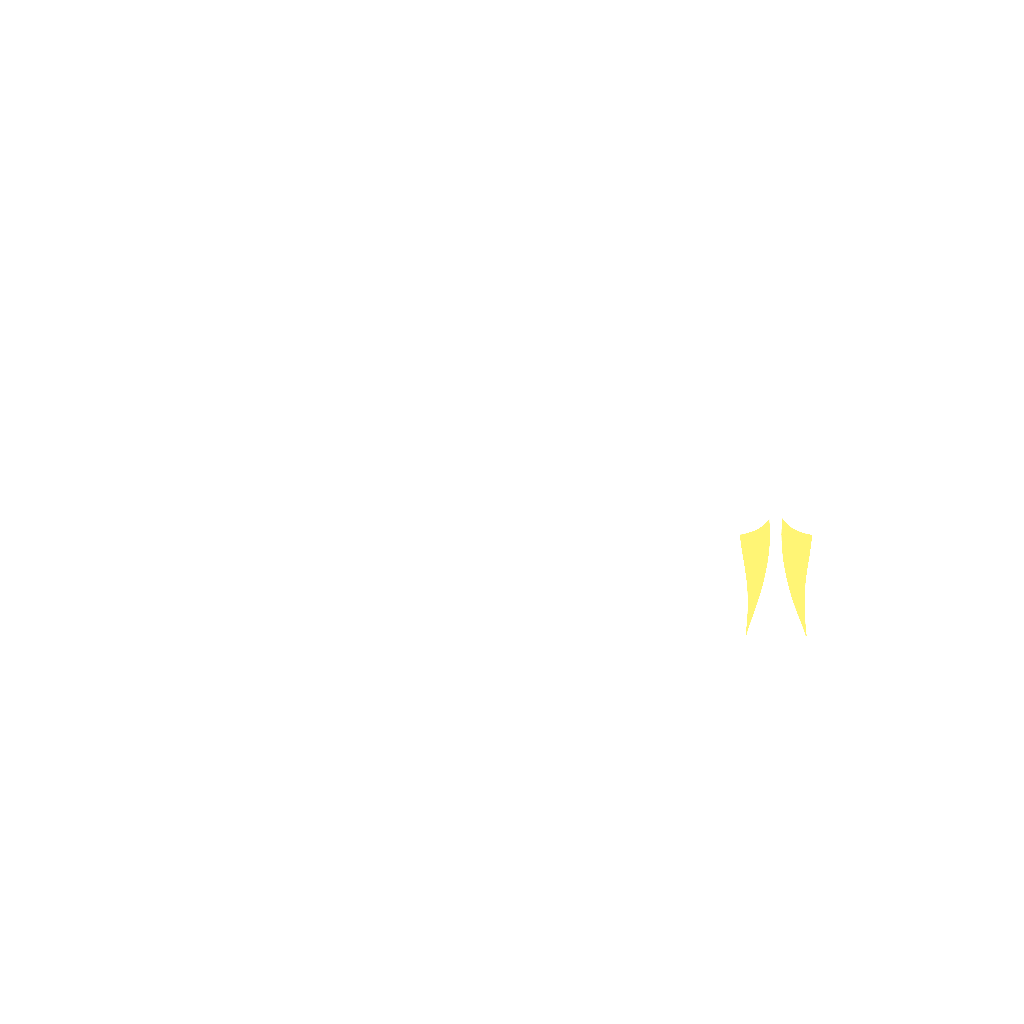




- Target
- Vastus Lateralis, Rectus Femoris
- Secondary
- Gluteus Maximus
- Tertiary
- Adductor Magnus, Soleus Gastrocnemius
How to do it
- 1
Set up in a long split stance with a rail or post nearby to steady yourself.
- 2
Keep the front heel firmly planted and the torso fairly upright.
- 3
Bend both knees and sink straight down, letting the front knee travel forward over the toes.
- 4
Lower until the front hamstring covers the calf and the rear knee grazes the floor.
- 5
Push through the front foot to stand back up without locking out hard.
- 6
Finish the set, then switch legs.
Tips
- The front heel must never lift, if it does, shorten the range or work ankle mobility first.
- Guide the movement slowly, especially in the deepest quarter where control matters most.
- Keep the front knee tracking in line with the foot, not collapsing inward.
- Use a hand on a support to offload as much bodyweight as you need early on.
Variations
Common mistakes
- Picking up a dumbbell before the bodyweight version is smooth. The bottom position puts the knee in deep flexion under load, which is the one place this movement is unforgiving.
- Tucking the pelvis and rounding the low back to squeeze out the last inches of depth, so the range comes from the spine rather than from the knee and ankle.
- Snapping the front knee straight at the top to rest between reps instead of standing a fraction short and keeping the quad working.
- Letting the rear knee take weight at the bottom. It should graze the floor; the moment it supports you, this becomes a half-kneel and the front leg gets an easy rep.
- Turning the front foot outward at the bottom to borrow ankle range, which leaves the knee tracking inside the line of the foot through the deepest part of the rep.
Frequently asked
- How many reps of the ATG split squat should you do when you are new to the exercise?
- Two to three sets of five to eight per leg with bodyweight and a hand on a rail, twice a week. Go only as deep as you can keep the front heel flat, even if that is well short of the calf. Progress by adding depth first, then by removing the hand support, and only then by holding a light dumbbell. Expect the first two weeks to be about range rather than reps, and expect the quads and the front of the hip to be sore.
- How do I make the ATG split squat easier or harder?
- To make it easier, take more weight through the hand on the support, shorten the range so the heel stays planted, or put a small wedge or plate under the front heel while the ankle gets used to the position. To make it harder, let go of the support, slow the descent to four seconds, pause a second at the deepest point, then add a light dumbbell in each hand or a single one held at the chest. Add one change at a time.
- What is the ATG split squat good for and when should I skip it?
- It loads the quad and the knee through a long, deep range that most lunges never reach, which builds knee flexibility and tendon resilience for athletes and for anyone stiff from sitting. Letting the front knee travel over the toes is intentional here, provided the heel stays down. Skip it while a knee is painful or recently injured, and do not treat it as a strength lift: the load stays light by design, so build your leg strength with squats and split squats and use this for range.
Related exercises
Other movements among FitRay's 2,000+ exercises that load the same target muscle — same equipment and level first.
- IntermediateBulgarian Split SquatBench · Dumbbell · Glutes
- IntermediateLunge MatrixBody Weight · Glutes · Quads
- IntermediateSkater JumpBody Weight · Glutes · Quads
- IntermediateClock LungeBody Weight · Glutes · Quads
- IntermediateDeficit Reverse LungeBox · Dumbbell · Glutes
- IntermediateDumbbell Lateral Lunge to PressDumbbell · Quads · Shoulder