Goblet Cossack Squat
The Cossack loads the adductors through a long lateral range, building strength at end range where most people are weak and tight. Holding a dumbbell in the goblet position adds resistance and a counterbalance that lets you sit deeper. It is superb for hip mobility and single-side inner-thigh strength in the frontal plane.
- Equipment
- Dumbbell
- Type
- Balance, Strength
- Browse by muscle
- Adductor Magnus, Adductor Longus
- Browse by movement
- Squat






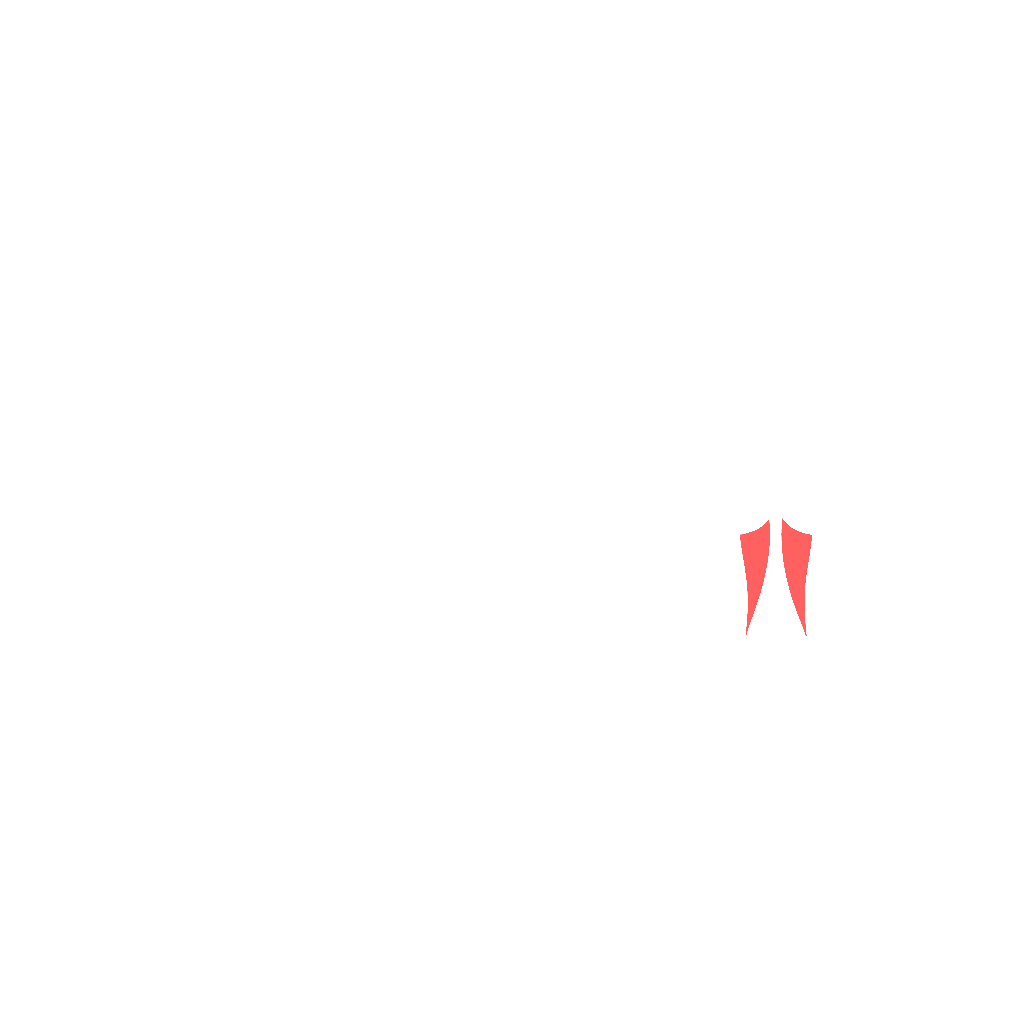
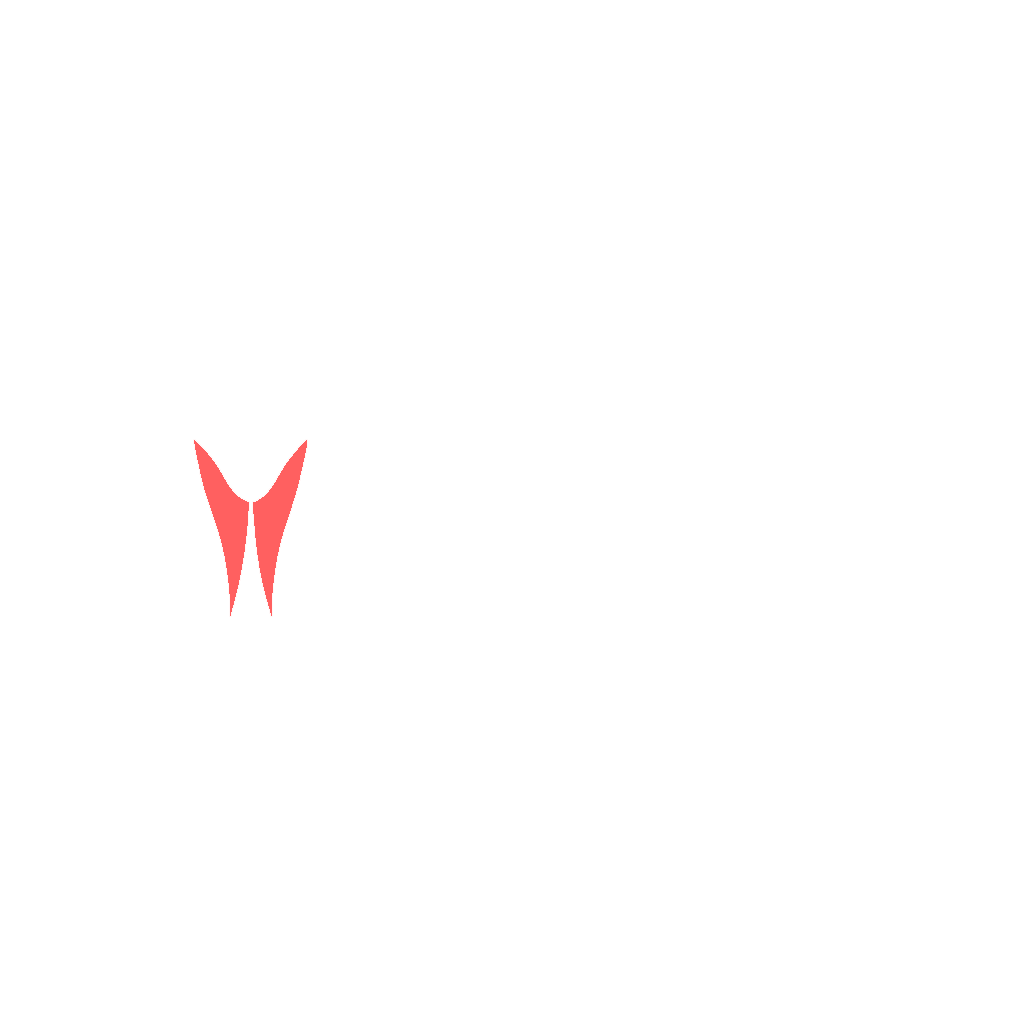
- Target
- Adductor Magnus, Adductor Longus
- Secondary
- Gluteus Maximus, Vastus Lateralis, Rectus Femoris
- Tertiary
- Gluteus Medius
How to do it
- 1
Hold a dumbbell against your chest and stand with a very wide stance, feet flat.
- 2
Shift your weight to one leg and bend that knee, sitting your hips down and back over that foot.
- 3
Keep the trailing leg straight with its toes pulled up, feeling a stretch along its inner thigh.
- 4
Sink as low as your mobility allows while keeping the working heel down.
- 5
Drive through the bent leg to return to a wide standing position.
- 6
Finish all reps on one side or alternate, keeping the chest tall throughout.
Tips
- Keep the heel of the working leg planted; if it lifts, widen your stance or reduce depth.
- Point the straight leg's toes toward the ceiling to maximize the adductor stretch.
- Move slowly at end range rather than bouncing into the bottom.
Variations
Common mistakes
- The dumbbell drifts away from the chest as you sink, and its weight out in front turns the squat into a hinge the lower back has to hold.
- Elbows get parked on the working thigh at the bottom so the rep is rested there rather than reversed; keep the bell high and let the trunk do its own work.
- A dumbbell heavy enough to feel like a real set is often heavy enough to shorten the range, so depth quietly shrinks week by week while the number on the bell climbs.
- Grip and upper back give out before the adductors do on longer sets, and the last reps get finished with the bell sagging; end the set when the bell drops rather than fighting it.
- The trailing foot rolls onto its outside edge as you descend, which lets the pelvis rotate and takes the stretch off the inner thigh it is supposed to be loading.
Frequently asked
- How many sets and reps of the goblet Cossack squat should you do when you are new to the exercise?
- Three sets of 6 to 8 per side, with a bell light enough that depth does not change from the first rep to the last; 8 to 12 kg is a realistic starting point for most people. The load rule is simple: if the heel lifts or the range shrinks, the dumbbell is too heavy. Add weight only once both sides reach the same depth.
- What can I hold instead of a dumbbell for the goblet Cossack squat?
- A kettlebell held by the horns sits closer to the chest and is often more comfortable. At home, a loaded backpack held against the chest, a large water bottle, or a bag of rice all give the same counterbalance. If nothing is available, the bodyweight Cossack squat with your arms reaching forward provides most of the counterweight effect on its own.
- What is the goblet Cossack squat good for, and when is it a poor choice?
- The weight at the chest acts as a counterbalance that lets you sit deeper while loading the adductors at end range, which is where most people are both weak and tight. It is the wrong version if you cannot yet reach a controlled bottom position without the weight, since load will not buy you range. Skip it when deep knee flexion is painful, and keep it away from your heaviest leg day.
Related exercises
Other movements among FitRay's 2,000+ exercises that load the same target muscle — same equipment and level first.
- IntermediateSumo SquatDumbbell · Kettlebells · Glutes
- BeginnerSumo Goblet SquatDumbbell · Glutes · Thighs
- BeginnerDumbbell Plie SquatDumbbell · Quads · Thighs
- IntermediateBand Cossack SquatBand · Glutes · Thighs
- IntermediateCossack SquatBody Weight · Kettlebells · Glutes
- IntermediateCossack Squat HoldBody Weight · Glutes · Thighs