Hang Power Clean
Starting from the hang removes the floor pull and forces you to load the hips and hamstrings, then fire hard into a partial catch. It teaches an aggressive second pull and is a great power builder for athletes who do not need or want a full-depth receive. Program it for low reps with full recovery to keep bar speed high.
- Equipment
- Barbell
- Type
- Plyometric, Strength
- Browse by muscle
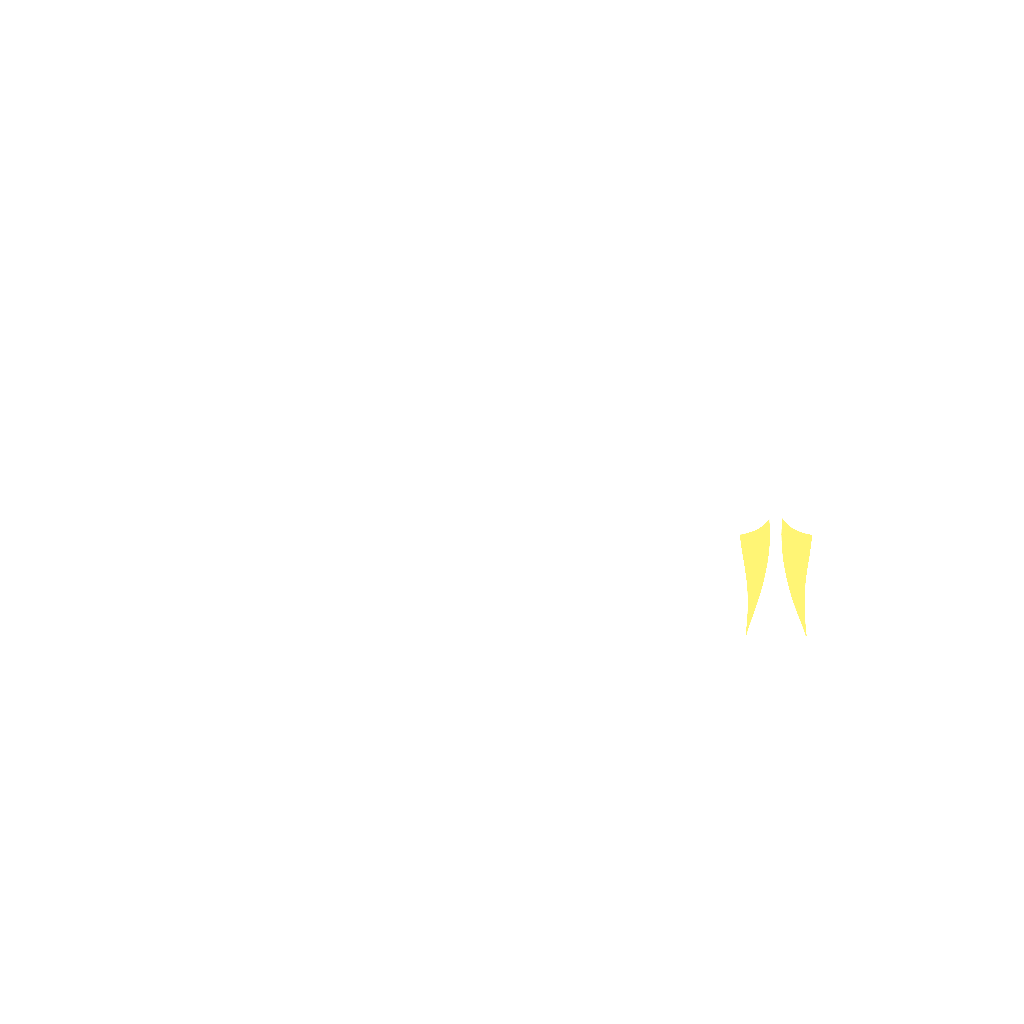
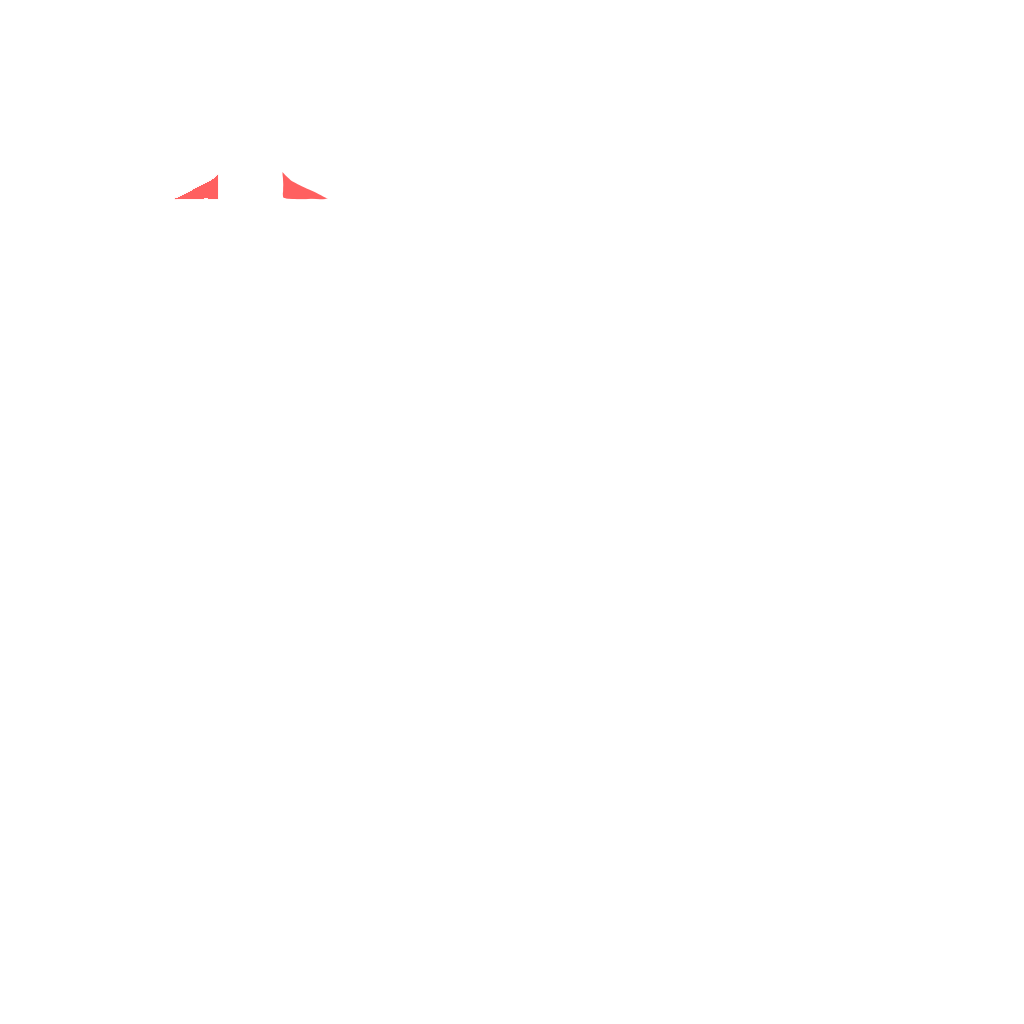
- Gluteus Maximus, Biceps Femoris, Erector Spinae, Trapezius Upper
- Browse by movement
- Hinge














- Target
- Gluteus Maximus, Biceps Femoris, Erector Spinae, Trapezius Upper
- Secondary
- Semitendinosus, Vastus Lateralis, Rectus Femoris, Trapezius Middle, Deltoid Anterior
- Tertiary
- Brachioradialis, Adductor Magnus, Abdominal External Oblique
How to do it
- 1
Deadlift the bar to standing, then hinge to lower it to just above the knees with a flat back.
- 2
Feel the tension load through the hamstrings and keep the shoulders slightly over the bar.
- 3
Snap the hips forward through full extension and shrug the bar upward.
- 4
Pull under quickly and rotate the elbows to catch the bar in the front rack.
- 5
Receive with hips back in a quarter to half squat, then stand to full lockout.
- 6
Lower back to the hang under control for the next rep.
Tips
- Keep the bar tight to the thighs; letting it drift forward kills your leverage on the second pull.
- Think of jumping the bar up rather than muscling it with the arms.
- Catch with elbows high and fast so the bar racks on the shoulders, not the wrists.
Variations
Common mistakes
- Reaching the hang by bending the knees instead of pushing the hips back. Without a hinge the hamstrings never load and there is nothing to snap out of.
- Firing the hips as soon as you leave the bottom, before the bar reaches the upper thigh. You jump while the bar is still low and it lands out in front of you.
- Shrugging harder to make up for a hip snap that never finished. The shrug is worth a couple of inches; the hips are worth the whole lift.
- Standing all the way up and re-hinging with a rounded back to reset between reps. Lower to the hang the same way every time, chest set and back flat.
- Hanging on with an open grip through a set of five. Use a hook grip and keep sets to two or three reps, and the bar stops slipping just as the pull gets fast.
Frequently asked
- How many sets of the hang power clean should I do, and how heavy?
- Four or five sets of two to three reps with about two minutes of rest, keeping the bar fast. Roughly 60 to 75 percent of your best clean is the range where the lift stays sharp. Reset your hang position between every rep rather than bouncing, so each one starts from the same place. When the bar slows or the catch gets loud, that set is finished, whatever the plan said.
- What can I do instead of the hang power clean without a barbell?
- A dumbbell hang clean with a bell in each hand keeps the hinge and the catch with less to go wrong. Kettlebell cleans give you the same hip snap one arm at a time. A heavy kettlebell swing trains the hip drive alone if the catch is the part you cannot coach yourself through. For the top half of the pull without a rack position, use a hang high pull or a jump shrug.
- Should I do the hang power clean or the full power clean?
- Start from the hang when you want the second pull, the fast part, without the floor pull that tires the lower back and takes longer to learn. That makes it useful for athletes on tight schedules and for lifters whose backs are already busy with deadlifts. It is the wrong pick if you want to learn the whole lift, since the floor start is where most technique problems live, and it stays a poor idea in a metcon, where speed collapses and the position goes with it.
Related exercises
Other movements among FitRay's 2,000+ exercises that load the same target muscle — same equipment and level first.