Heron Pose
Heron delivers a focused, intense hamstring and calf stretch by drawing one straight leg up toward the torso from a seated base. Because the spine stays tall, it teaches you to lengthen the hamstring without rounding the back. Great for building the open hamstrings that folds and forward bends rely on.
- Equipment
- Body Weight
- Body part
- Hamstring
- Type
- Stretching, Yoga
- Browse by muscle
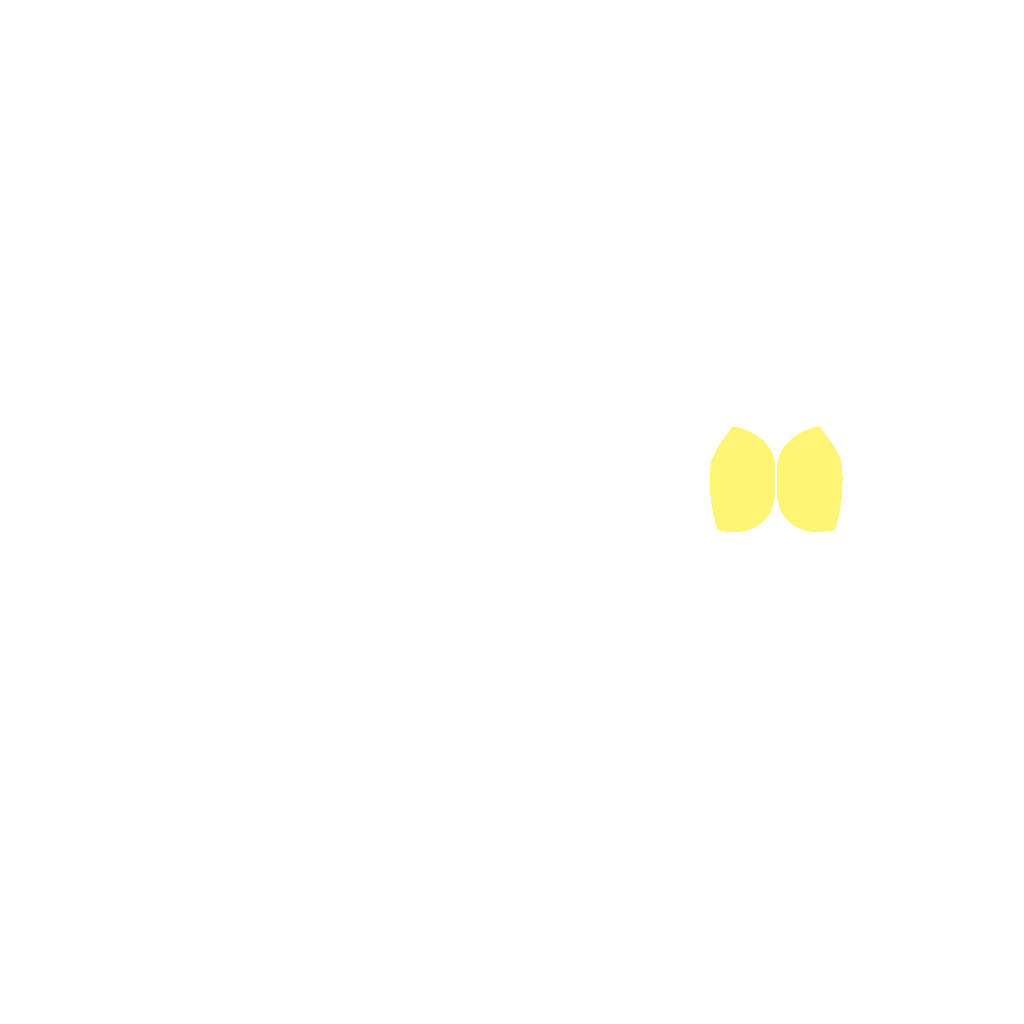
- Biceps Femoris, Semitendinosus





- Target
- Biceps Femoris, Semitendinosus
- Secondary
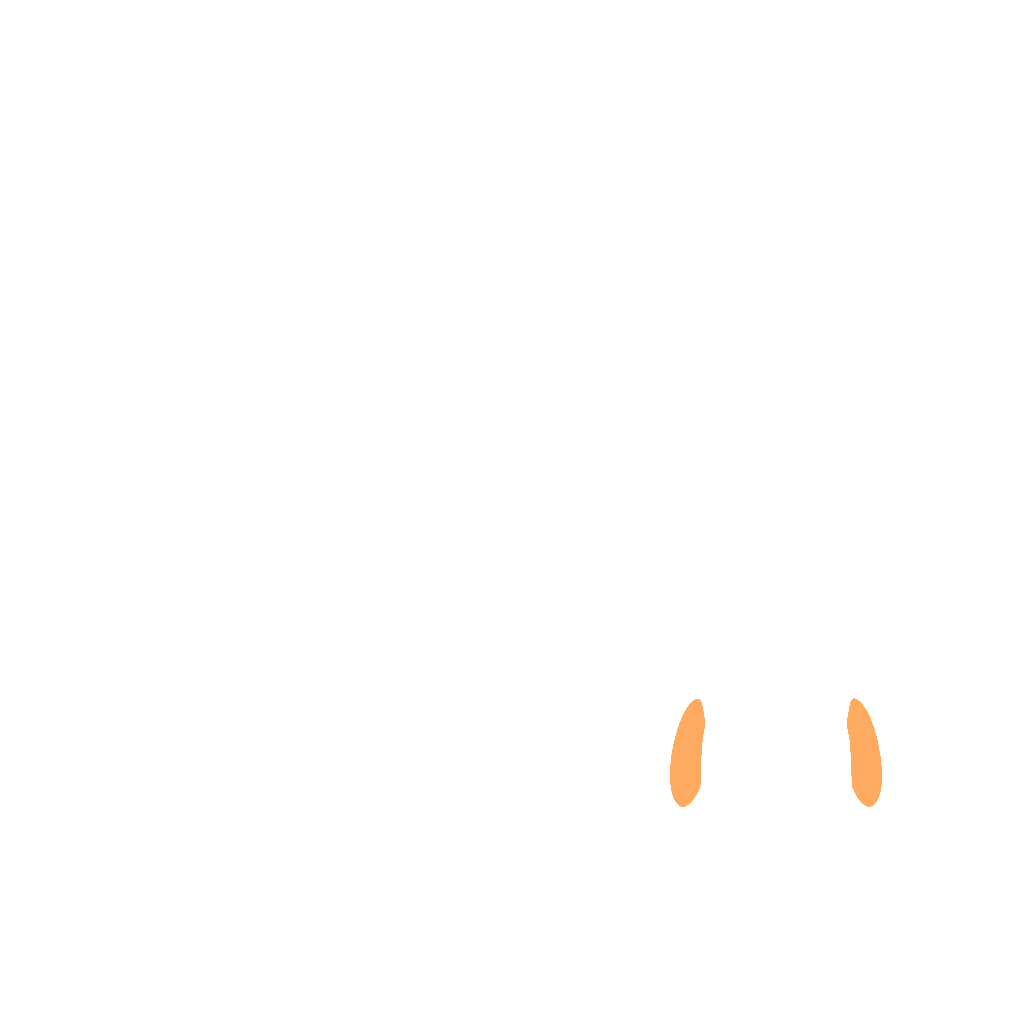
- Gastrocnemius Medial Head, Gastrocnemius Lateral Head
- Tertiary
- Gluteus Maximus
How to do it
- 1
Sit with one leg folded back beside the hip or extended forward for stability.
- 2
Bend the other knee and clasp the foot with both hands.
- 3
Inhale and lengthen the spine tall.
- 4
Exhale and slowly straighten the held leg upward toward vertical.
- 5
Draw the lifted foot gently toward the chest while keeping the chest lifted.
- 6
Hold with steady breath, then lower and switch legs.
Tips
- Prioritize a tall chest over a straight leg; a soft knee with a long spine beats a rounded back.
- Flex the lifted foot to bring the calf into the stretch alongside the hamstring.
- Use a strap around the foot if you cannot reach it with the leg near straight.
Variations
Common mistakes
- The folded-back knee sits beside the hip with nothing under that sit bone, so the pelvis tips to one side and the lifted leg starts from a crooked base; sit up on a folded blanket.
- The arms do the lifting, which is why the shoulders creep toward the ears; slide the shoulder blades down and let the front of the thigh hold the leg up.
- Holding the breath to muscle the knee straight is the moment the hamstring guards hardest, so exhale as the leg extends and stop where the breath stays even.
- The lifted knee drifts out to the side as it straightens, so the leg stops tracking in front of its own hip and the inner hamstring takes an angle it did not sign up for.
- One side gets practiced far more because the folded-back knee is only comfortable on that leg; extend the bottom leg forward on the awkward side rather than skipping it.
Frequently asked
- How long should you hold Heron Pose on each leg when you are new to the exercise?
- Thirty to forty-five seconds per leg, two rounds each, two or three times a week after lower-body work. Hold the foot with both hands and let the leg be as bent as it needs to be at first. Progress by the knee straightening a little more at the same hold length, which is a better marker than adding time, and end the hold when the chest starts to sink toward the thigh.
- How do I make Heron Pose easier or harder?
- To make it easier, stretch the bottom leg straight forward instead of folding it back, sit on a folded blanket, and loop a strap or a towel around the lifted foot so you can keep the knee bent and the spine tall. To make it harder, keep the bottom shin folded back beside the hip, draw the straight lifted leg a little past vertical toward the face without letting the chest drop, and flex the foot hard so the calf joins the hamstring in the stretch.
- What does Heron Pose do that other hamstring stretches do not, and who should avoid it?
- It builds hamstring and calf length while the spine stays vertical, so it teaches the hip to be the hinge rather than the low back, which carries straight over into forward folds and deadlift setups. The folded-back leg is the limiting factor for most people, so avoid it if that knee pinches in deep flexion and use a seated single-leg hamstring stretch instead. Leave it out while a hamstring strain is still tender, and do not use it as a last stretch before sprinting.
Related exercises
Other movements among FitRay's 2,000+ exercises that load the same target muscle — same equipment and level first.
- Intermediate5-10-5 Pro Agility ShuttleBody Weight · Glutes · Quads
- Intermediate300-Yard ShuttleBody Weight · Hamstring · Quads
- IntermediateAirplane PoseBody Weight · Glutes · Hamstring
- IntermediateB-MarchBody Weight · Hamstring · Quads
- IntermediateB-SkipBody Weight · Hamstring · Quads
- IntermediateBackward Broad JumpBody Weight · Glutes · Hamstring