Incline Dumbbell Reverse Curl
Lying back on an incline lets the arms hang behind the torso, loading the brachioradialis and biceps from a deep stretch with no room to swing. The overhand grip keeps the emphasis on the forearm and outer arm. Use light weight and a slow eccentric to make the most of the position.
- Type
- Strength
- Browse by muscle
- Brachioradialis
- Browse by movement
- Elbow Flexion


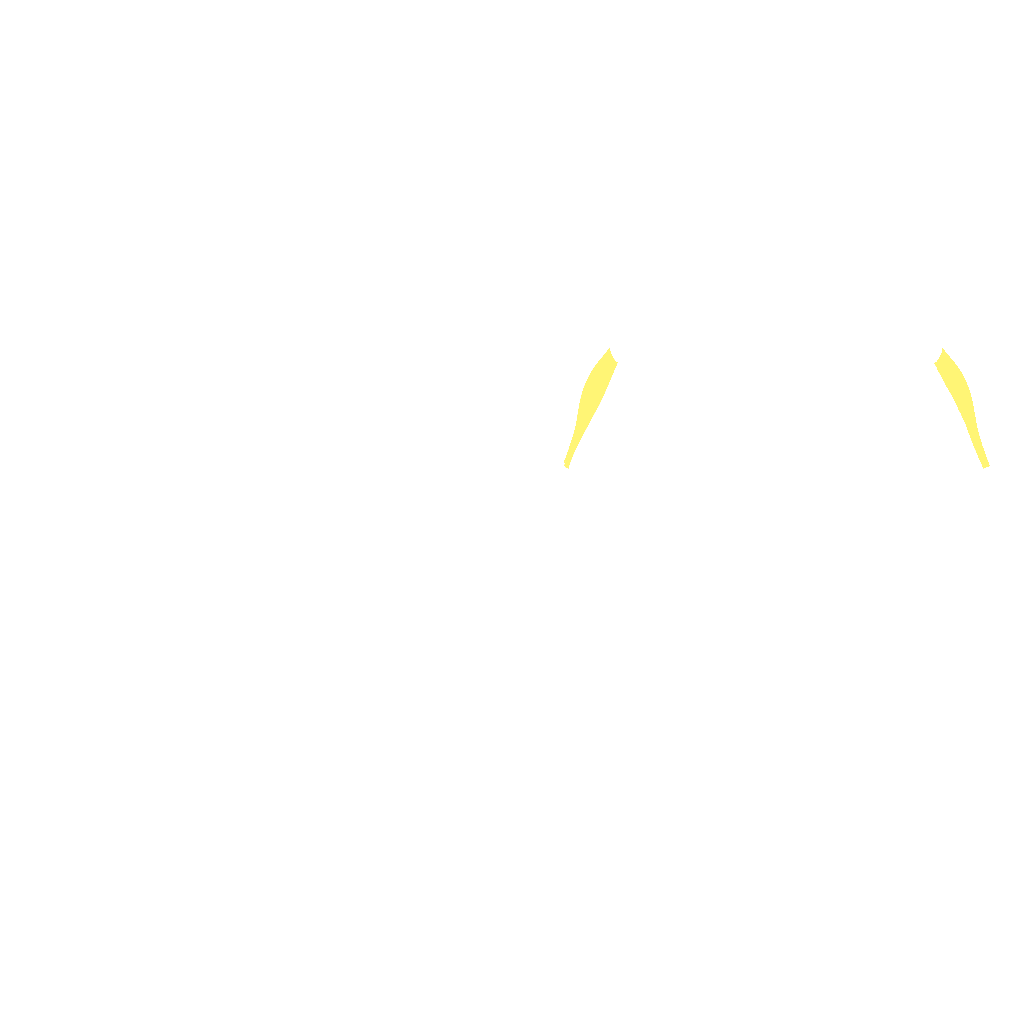


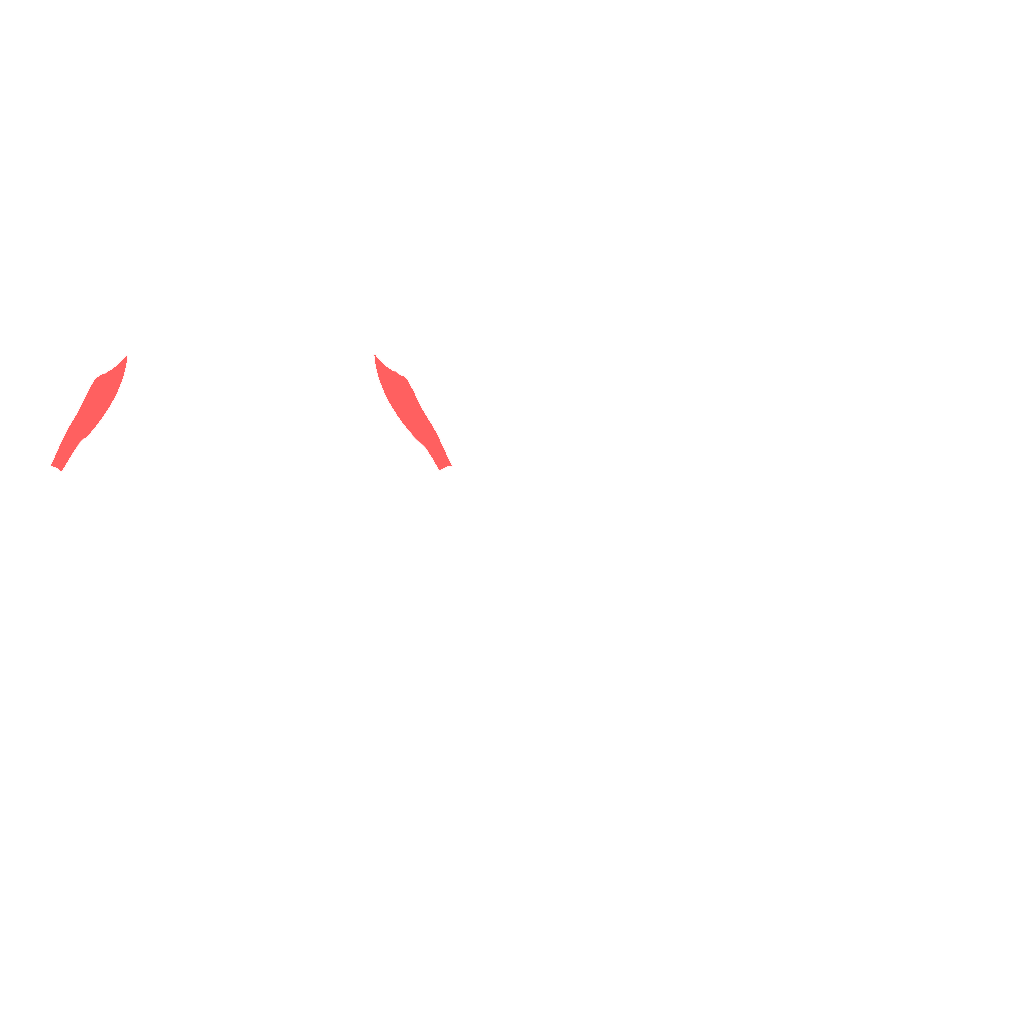
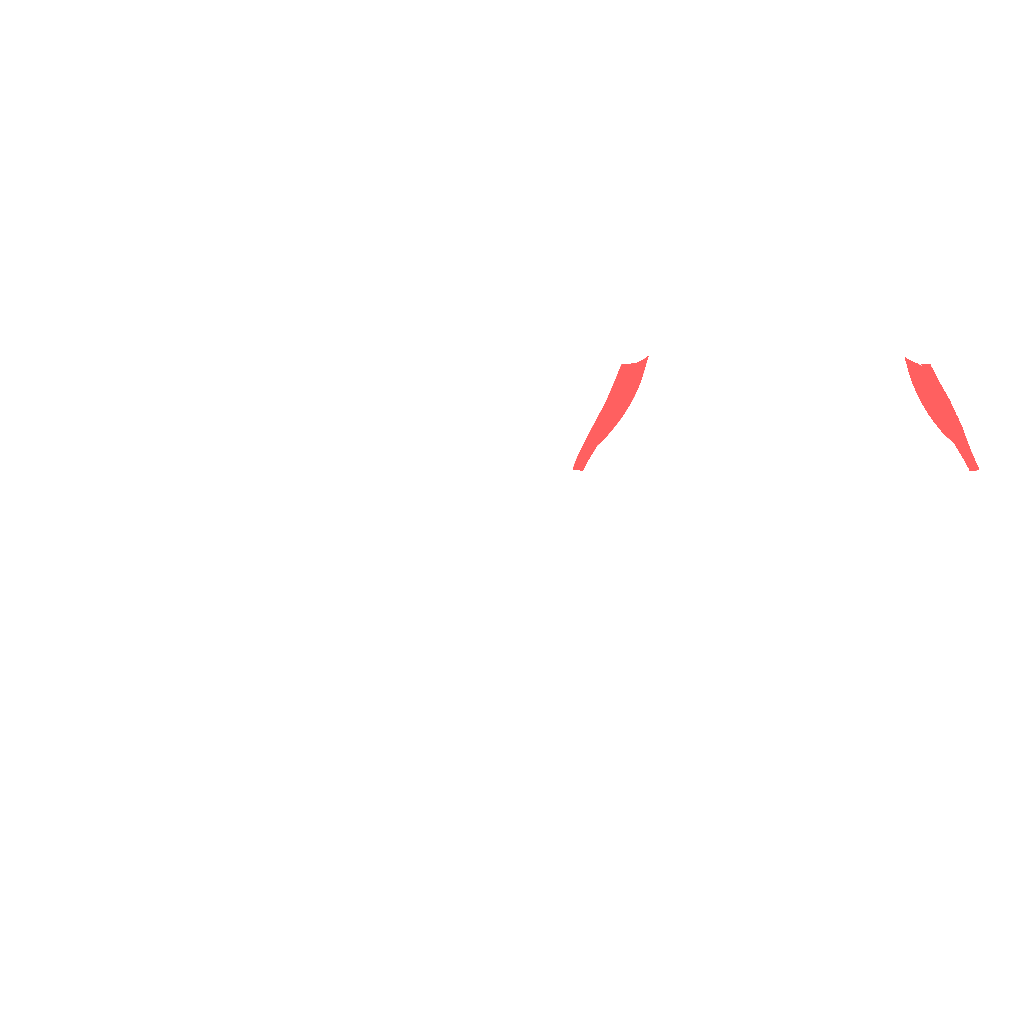
- Target
- Brachioradialis
- Secondary
- Biceps Brachii Long Head, Biceps Brachii Short Head
- Tertiary
- Extensors
How to do it
- 1
Set an incline bench to roughly forty-five degrees and sit back against it.
- 2
Hold a dumbbell in each hand with a full overhand grip and let the arms hang straight down.
- 3
Keep the upper arms still and the wrists rigid.
- 4
Curl the dumbbells with the knuckles leading until the forearms are fully contracted.
- 5
Squeeze at the top, then lower slowly to a full stretch.
- 6
Exhale as you lift and inhale as you lower.
Tips
- Let the arms hang fully behind you at the bottom to load the stretch.
- Keep the wrists locked in neutral so the forearm, not a wrist curl, does the work.
- Move slowly; the incline removes any chance to cheat with momentum.
Variations
Common mistakes
- Bringing your standing reverse-curl weight to the bench. With the arms hanging behind you there is nothing left to help, and the same pair will stall you halfway up.
- Setting up so the dumbbells catch the frame or the uprights at the bottom, which stops the hang short. Sit so your arms swing outside the legs of the bench and check the clearance before the first set.
- Letting the handle creep toward your fingertips at the deepest point, since a palms-down grip has nothing holding it in. Regrip between reps and end the set once it slides every time.
- Stacking this on top of a standing reverse curl in the same workout. The forearm is a small muscle with a slow recovery, so one palms-down curl variation per session is enough.
Frequently asked
- How many sets and reps of the incline dumbbell reverse curl should I do?
- Two or three sets of 12 to 15 with the lightest pair that still feels like work, often 5 to 7 kg (10 to 15 lb) per hand even for people who curl far more underhand. Take three seconds to lower and pause a beat in the stretch. Add reps to 15 before you move up a pair, and run it once a week; the top of the forearm stays sore for a couple of days when you are new to it.
- How do I do the incline dumbbell reverse curl without an adjustable bench?
- Sit back in a reclined chair or lean back against a firm sofa arm so the arms can hang behind the torso, which gets you the same backward hang. A standing dumbbell reverse curl trains the same muscles with less stretch and is the simple fallback. With a band, sit tall on a stool with the band anchored low behind you, let the arms hang slightly behind the torso and curl palms-down from there.
- Why do a reverse curl on an incline instead of standing?
- Hanging the arms behind the torso loads the brachioradialis and the elbow flexors from a stretched position and removes any chance to swing, so a light pair does a surprising amount of work. It is a specialist accessory for the top of the forearm, not a strength exercise; standing is better when you want to load heavier or use a bar. Leave the incline version out while the outside of your elbow is sore, because the stretched start pulls straight on it.
Related exercises
Other movements among FitRay's 2,000+ exercises that load the same target muscle — same equipment and level first.
- IntermediateHammer Preacher CurlBench · Dumbbell · Biceps
- IntermediateReverse Preacher CurlBarbell · Bench · Biceps
- IntermediateSeated Incline Hammer CurlBench · Dumbbell · Biceps
- IntermediateZottman CurlDumbbell · Biceps · Forearms
- IntermediateZottman HoldDumbbell · Forearms
- IntermediateZottman Preacher CurlBench · Dumbbell · Biceps