Zottman Hold
Borrowed from the Zottman curl, this drill parks you halfway up a curl, forearms level, with the palms rotated down and asks you to simply hold. The pronated position loads the brachioradialis and extensors far harder than the same hold with the palms up, and the static hold builds tendon strength and stubborn upper-forearm size. Use it as an intensity finisher after your curl work.
- Equipment
- Dumbbell
- Body part
- Forearms
- Type
- Strength
- Browse by muscle
- Brachioradialis
- Browse by movement
- Elbow Flexion




- Target
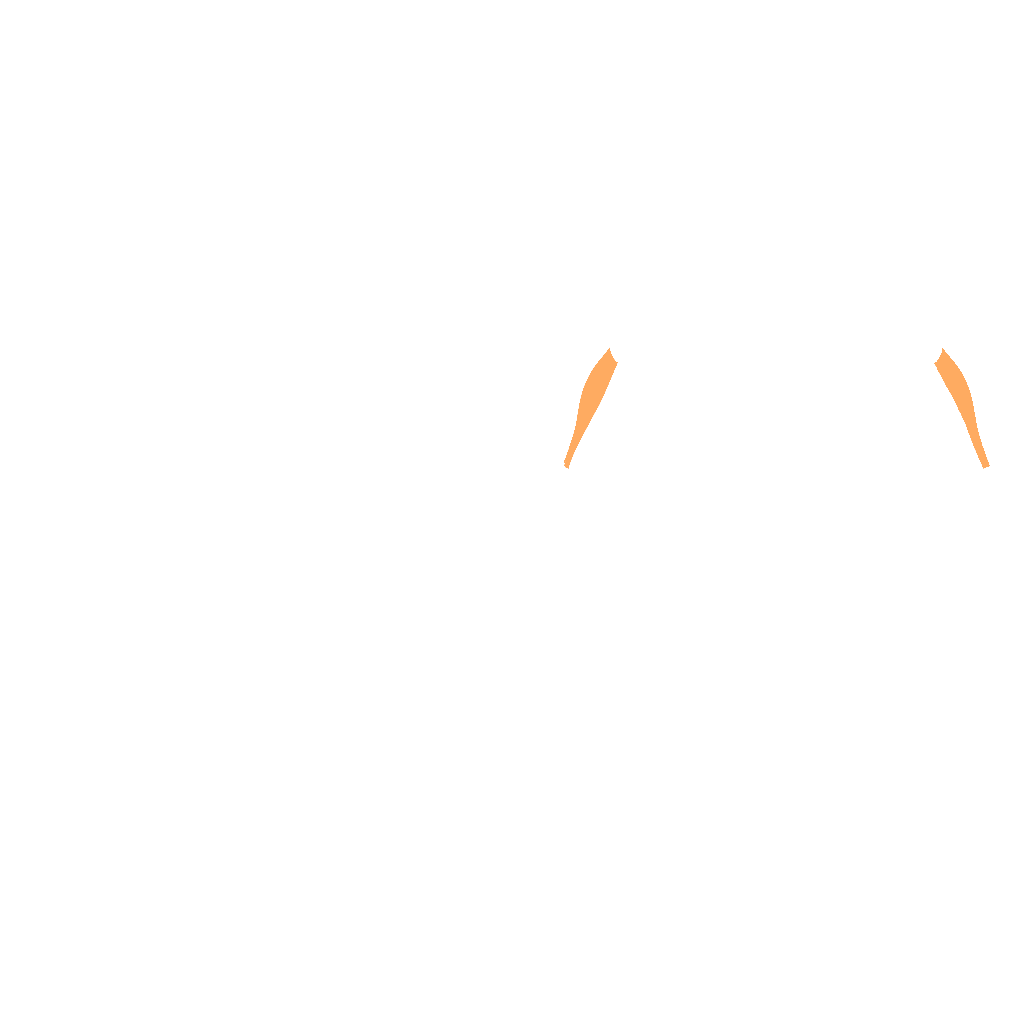
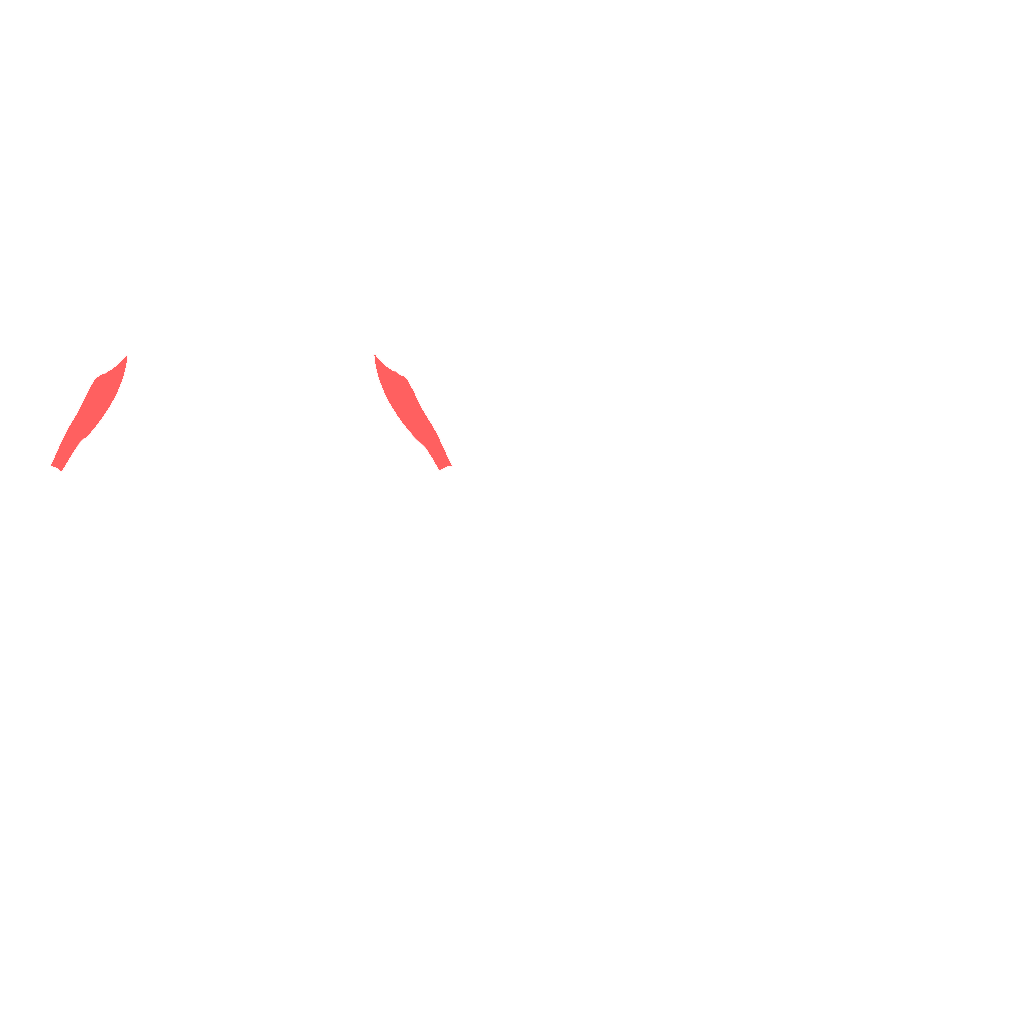
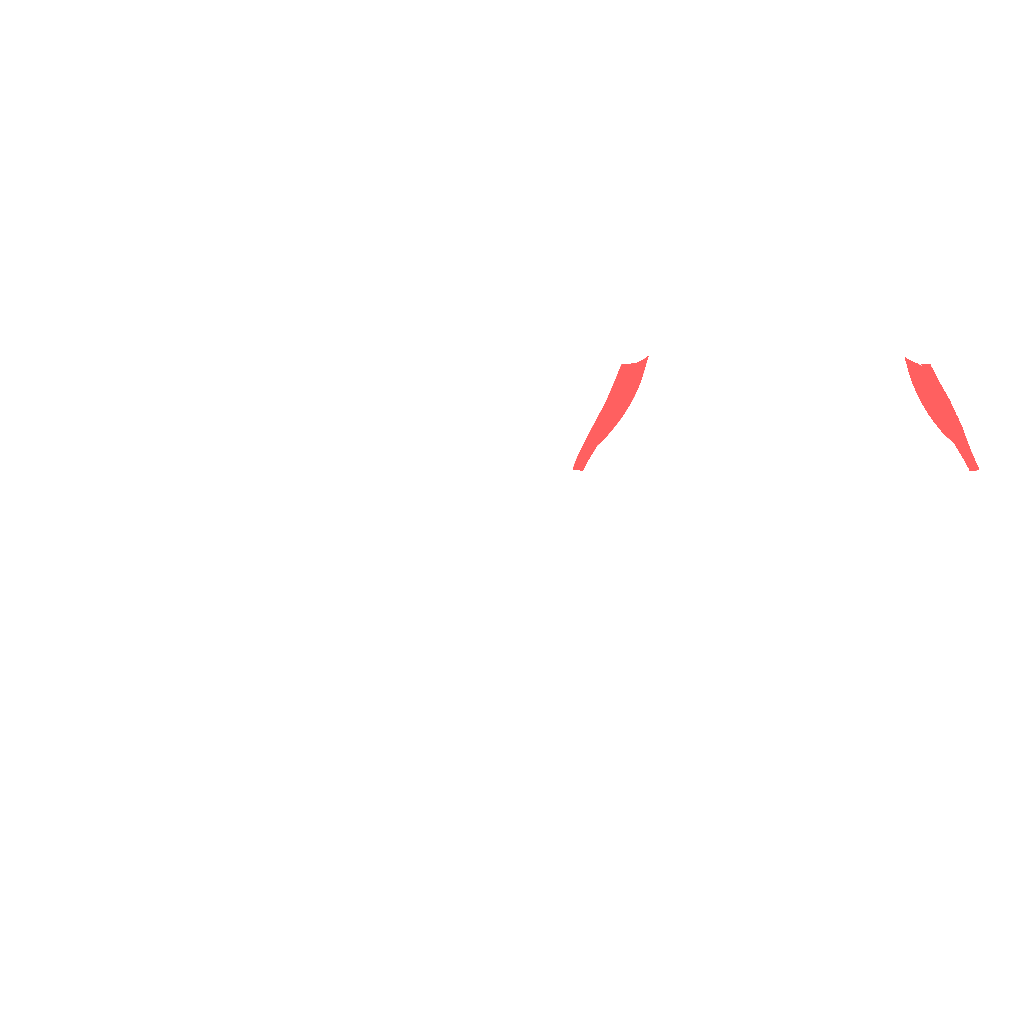
- Brachioradialis
- Secondary
- Extensors, Biceps Brachii Long Head, Biceps Brachii Short Head
How to do it
- 1
Stand holding a pair of dumbbells and curl them up until your forearms are level with the floor, palms facing up.
- 2
Holding that right angle, rotate your wrists so your palms turn to face down and forward.
- 3
Hold this pronated position with the dumbbells level and elbows bent.
- 4
Keep your upper arms pinned to your sides and your wrists firm.
- 5
Brace and hold for the target time as the top of the forearms fights the load.
- 6
Rotate the palms back to neutral and lower under control to finish.
Tips
- Use lighter dumbbells than your curl weight. The pronated hold is far more demanding.
- Keep the wrists from collapsing back so the load stays on the forearm, not the joint.
- Hold your elbows still. Letting them drift forward shifts the tension off the target.
- Start with short holds and add a few seconds each week as the grip and forearm adapt.
Variations
Common mistakes
- The rotation stops halfway and the palms end up facing each other, which is a hammer position. The forearms only take the load once the palms turn all the way down and forward.
- The dumbbells drift together until they rest against each other and the chest, so the arms are propping the weight on your body instead of holding it out.
- The elbow angle opens past ninety degrees as the seconds pass, and the further the forearms drop, the less the hold is asking of them.
- The clock starts before the palms have turned over, so a fifteen-second hold is really ten seconds in position and five spent getting there.
- Shoulders round forward as the grip fades and the dumbbells swing back toward the hips, quietly shortening the lever the forearms are fighting.
Frequently asked
- How long should a Zottman hold last, and how many sets?
- Start at 15 seconds and build to 30, three holds at the end of arm day with a minute of rest. Use dumbbells around a third to a half of your curl weight, since holding pronated is far harder than curling supinated. Add five seconds a week; when 30 is comfortable, go up a dumbbell size and start again at 15. If the grip fails before the forearms burn, chalk up, because a hand giving out early hides the effect you are after.
- Can I do the Zottman hold without dumbbells?
- Anything you can hold with the palms turned down: an EZ bar gripped overhand halfway up a reverse curl, forearms level, a plate in each hand, or a loaded backpack held by the top handle with both hands turned over. A band stood on and held pronated at the halfway point gives a lighter version. Kettlebells are the one thing to avoid, since the bells hang back against the forearms and take the load off the position.
- What is the Zottman hold good for?
- It builds the brachioradialis and the top of the forearm and toughens the grip in a position curling never visits, which shows up when you hold heavy dumbbells or a thick bar. It is a finisher for someone who already curls regularly. It is a poor pick for building the biceps, since a pronated forearm takes them out of their strongest line, and it is the wrong exercise for anyone with sore wrists or elbows, because a static pronated hold asks a lot of both.
Related exercises
Other movements among FitRay's 2,000+ exercises that load the same target muscle — same equipment and level first.
- IntermediateHammer Preacher CurlBench · Dumbbell · Biceps
- IntermediateIncline Dumbbell Reverse CurlBench · Dumbbell · Biceps
- IntermediateSeated Incline Hammer CurlBench · Dumbbell · Biceps
- IntermediateZottman CurlDumbbell · Biceps · Forearms
- IntermediateZottman Preacher CurlBench · Dumbbell · Biceps
- BeginnerHammer CurlDumbbell · Biceps · Forearms