Jefferson Deadlift
The Jefferson deadlift has you straddle the bar and pull from a split, staggered stance so the load sits between your legs. The offset position blends hip extension with a strong anti-rotation and adductor demand, making it a rugged, joint-friendly alternative for many lifters. Train both stance orientations to keep your development even side to side.
- Equipment
- Barbell
- Type
- Strength
- Browse by muscle
- Gluteus Maximus, Biceps Femoris, Semitendinosus, Erector Spinae
- Browse by movement
- Hinge




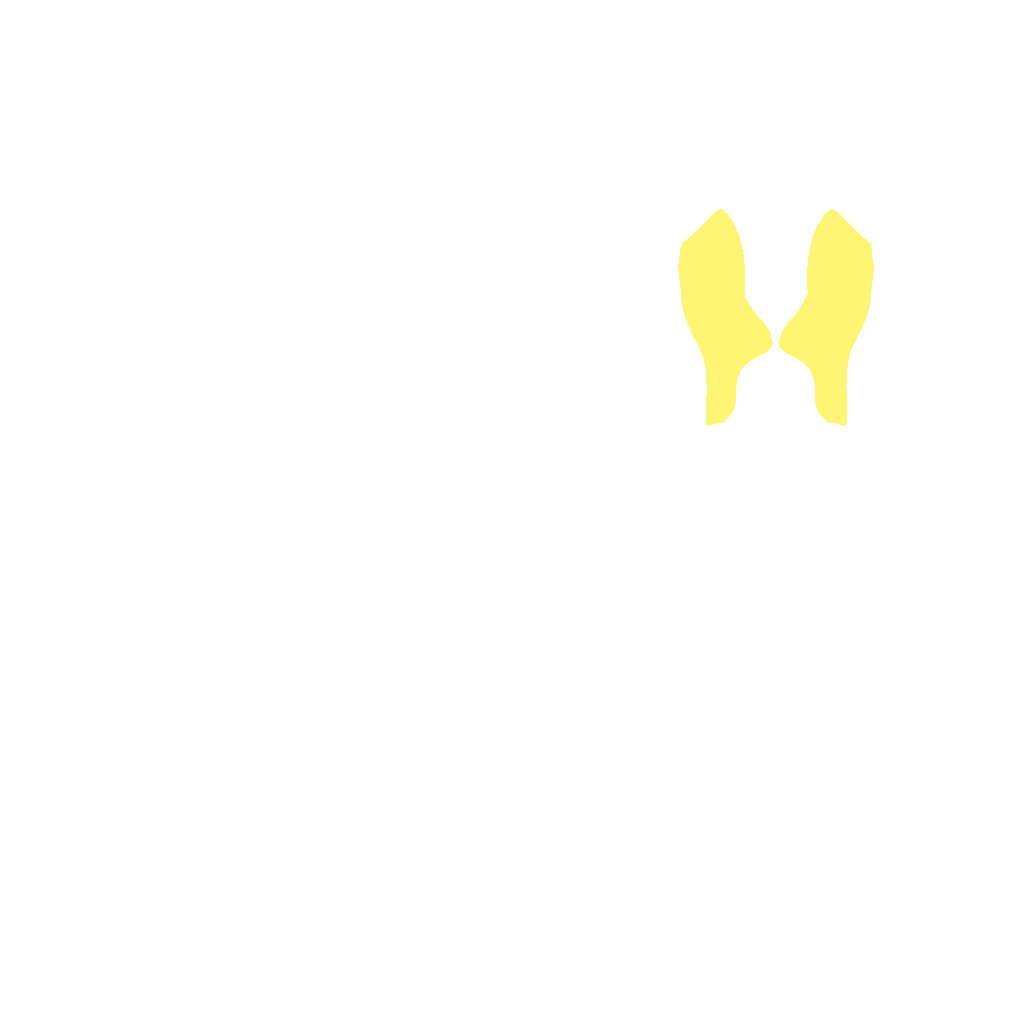








- Target
- Gluteus Maximus, Biceps Femoris, Semitendinosus, Erector Spinae
- Secondary
- Vastus Lateralis, Rectus Femoris, Adductor Magnus, Abdominal External Oblique
- Tertiary
- Trapezius Upper, Latissimus Dorsi
How to do it
- 1
Stand over the bar so it runs between your feet in a wide, staggered stance.
- 2
Turn your toes out and sink your hips to grip the bar front and back of your body.
- 3
Set a tall chest, brace your abs, and resist any twist toward the bar.
- 4
Drive through both feet and extend your hips to stand upright.
- 5
Lock out square to the bar, then hinge and lower it between your legs.
- 6
Complete your reps, then switch which leg leads to balance both sides.
Tips
- Actively fight rotation; the bar wants to pull you toward the loaded side.
- Keep both feet flat and share the drive rather than favoring the front leg.
- Start light to learn the odd path before adding meaningful load.
Variations
Common mistakes
- Only one stance orientation ever gets trained because it feels stronger, so the adductors and obliques develop unevenly, which is the opposite of the point.
- Turning the head to watch the bar rotates the whole torso, which is the exact movement the trunk is supposed to be resisting here.
- The bar catches the front shin on the way up because the stance is too narrow, and the lifter shifts sideways mid-rep to clear it.
- The rear hand pulls harder than the front, so the bar tilts and rides up at an angle, loading one shoulder and twisting the spine.
- The front knee straightens first and the back leg is left behind, turning a two-legged drive into a lunge with a heavy bar between the legs.
Frequently asked
- What is a sensible starting weight and rep range for the jefferson deadlift?
- You want a competent conventional or sumo deadlift first, because the odd path punishes a back that already rounds. Start at about half your deadlift for three sets of 5 per stance, and train both stance orientations in the same session. Add weight slowly, since the grip and the anti-rotation demand usually stall before the legs do.
- What can I do instead of the jefferson deadlift with no barbell?
- A staggered-stance dumbbell or kettlebell deadlift, weights at your sides, gives you the offset stance without the awkward bar. A suitcase deadlift with one heavy dumbbell trains the same anti-lateral-flexion demand. With a trap bar, a split-stance pull inside the frame covers much of the same ground on a safer path.
- What is the jefferson deadlift for, and who should skip it?
- It is a hinge for lifters who want hip and adductor strength plus a real anti-rotation challenge, and some find it kinder on the back than a conventional pull. It is not a lift for building a max deadlift, since the position is hard to load and harder to measure. Skip it if you cannot hold a flat back at moderate loads, and never chase a personal best in it.
Related exercises
Other movements among FitRay's 2,000+ exercises that load the same target muscle — same equipment and level first.