Zercher Deadlift
Holding the bar in the crooks of the elbows pulls the load in front of you, which forces a tall chest and turns the upper back and spinal erectors into major players fighting to resist flexion. It trains the glutes, quads, and hamstrings through a squat-like hinge while building brutal core and mid-back strength. The bar bites into the arms, so start light and use a sleeve or padding.
- Equipment
- Barbell
- Type
- Functional, Strength
- Browse by muscle
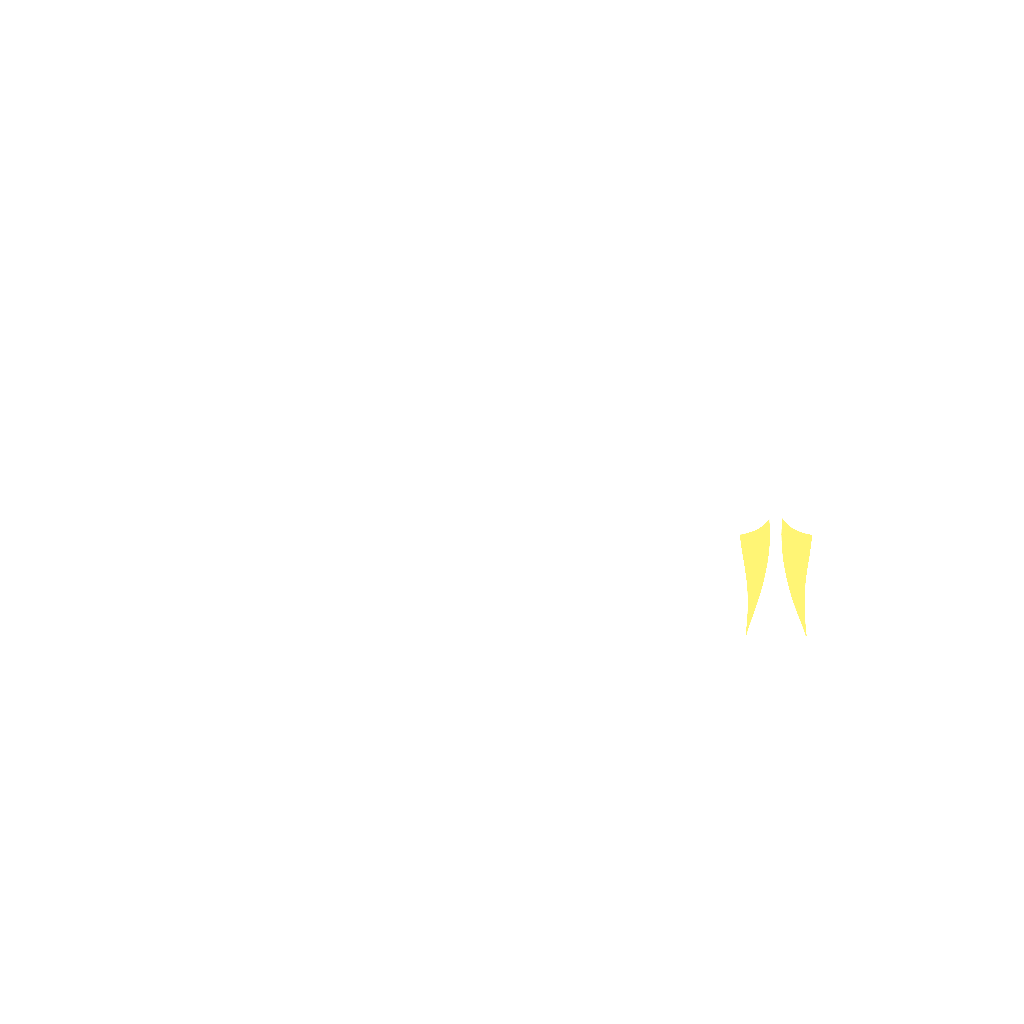
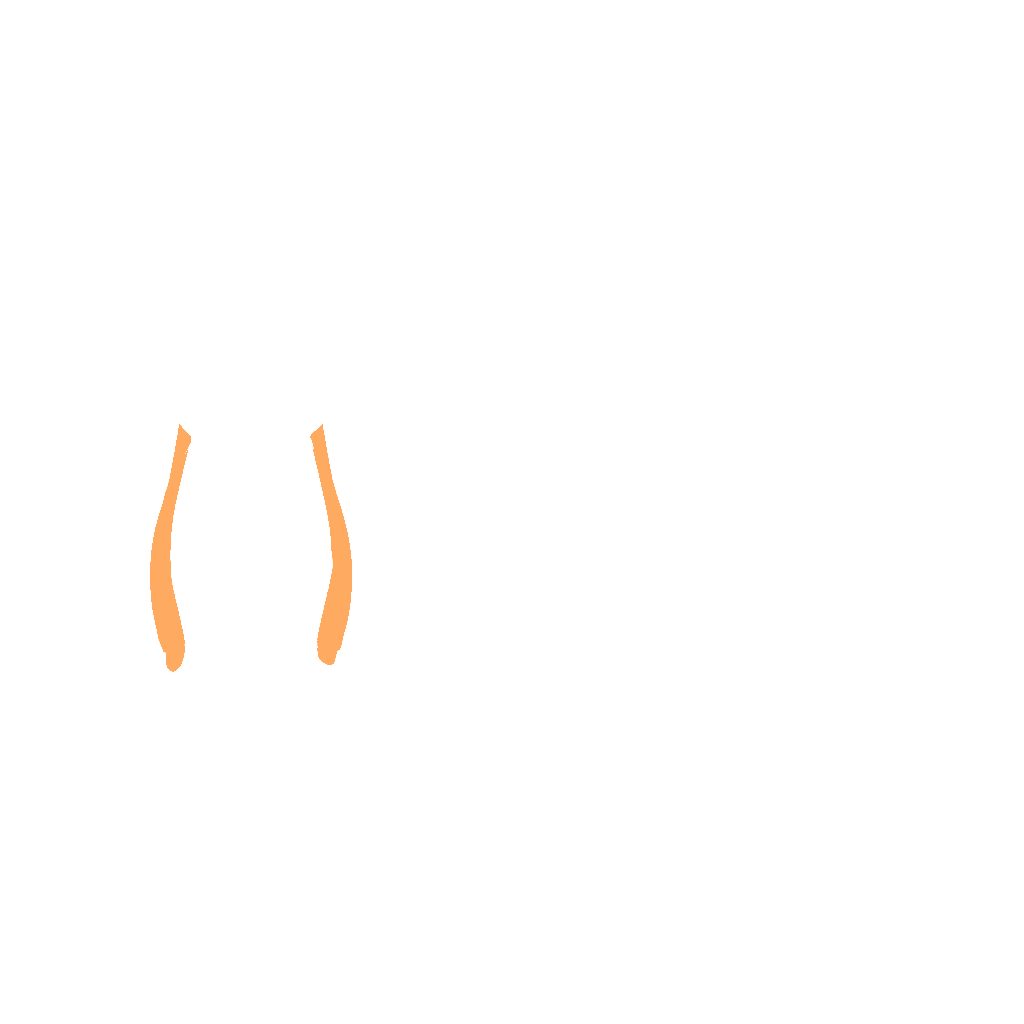
- Gluteus Maximus, Erector Spinae, Biceps Femoris, Semitendinosus
- Browse by movement
- Hinge











- Target
- Gluteus Maximus, Erector Spinae, Biceps Femoris, Semitendinosus
- Secondary
- Vastus Lateralis, Rectus Femoris, Trapezius Middle, Abdominal External Oblique
- Tertiary
- Biceps Brachii Long Head, Biceps Brachii Short Head, Adductor Magnus
How to do it
- 1
Set the bar on low pins or blocks at about mid-thigh height.
- 2
Step in and hook the bar into the crooks of both elbows, palms up.
- 3
Set a tall chest, brace your abs hard, and pull your shoulders back.
- 4
Sink your hips and drive through your feet to stand fully upright.
- 5
Lock out tall, keeping the elbows tight and the torso vertical.
- 6
Hinge and squat the bar back down to the pins under control.
Tips
- Keep the chest up and resist rounding; the front load punishes any flexion.
- Pull the bar tight into the elbows so it does not slide during the pull.
- Pad the crook of the elbows and build load slowly to tolerate the bar.
Variations
Common mistakes
- The elbows are held wide apart, so the bar slides toward one arm during the pull and the load ends up off center with no way to fix it mid-rep.
- Skipping the padding and gritting through the bar bite means the set ends when your arms hurt, long before the hips or back have been trained.
- The pins get set too low on the first session, and the bar cannot be loaded into the elbows at all without a risky curl off the floor.
- The torso leans forward as the hips come up, which with the weight out in front is the position the mid-back gives out from fastest.
- The bar is put down by lowering the arms rather than by hinging and squatting, so it drops onto the pins from height and the elbows take the jolt.
Frequently asked
- What is a sensible starting weight and rep range for the zercher deadlift?
- Be able to hold a braced, flat back under load first; a decent front squat or a heavy sandbag carry is a good sign you are ready. Start around a third of your deadlift for three sets of 5, and expect your arms to be the limiting factor for the first month. Add weight in small steps and end the set the moment the upper back starts to round.
- What can I use instead of a barbell for the zercher deadlift?
- A sandbag lifted from the floor into a bear hug trains almost the same thing and is far kinder on the arms. A heavy kettlebell or dumbbell held at the chest and lifted from a low box is the next option. If you have a barbell but no rack pins, set it on stacked plates or low blocks so it starts near mid-thigh.
- What is the zercher deadlift good for, and who should avoid it?
- It builds the glutes, quads, and hamstrings while the upper back and abs fight a load trying to fold you forward, which suits strongman, wrestling, and anyone who carries awkward objects for a living. It is not a good way to build a max deadlift, since the bar position caps the weight. Avoid it if your elbows cannot tolerate the bar even with padding.
Related exercises
Other movements among FitRay's 2,000+ exercises that load the same target muscle — same equipment and level first.