Kang Squat
The Kang squat chains a good morning into a squat: you hinge forward, drop into the bottom of a squat, lift the hips back up into the good morning, and then stand tall to finish. That sequence lights up the whole lower body, blending heavy posterior-chain work with quad-driven squatting in one continuous rep. It is a superb warm-up and positional drill, and with load it builds robust hips, hamstrings, and a braced trunk.
- Equipment
- Barbell
- Type
- Strength
- Browse by muscle
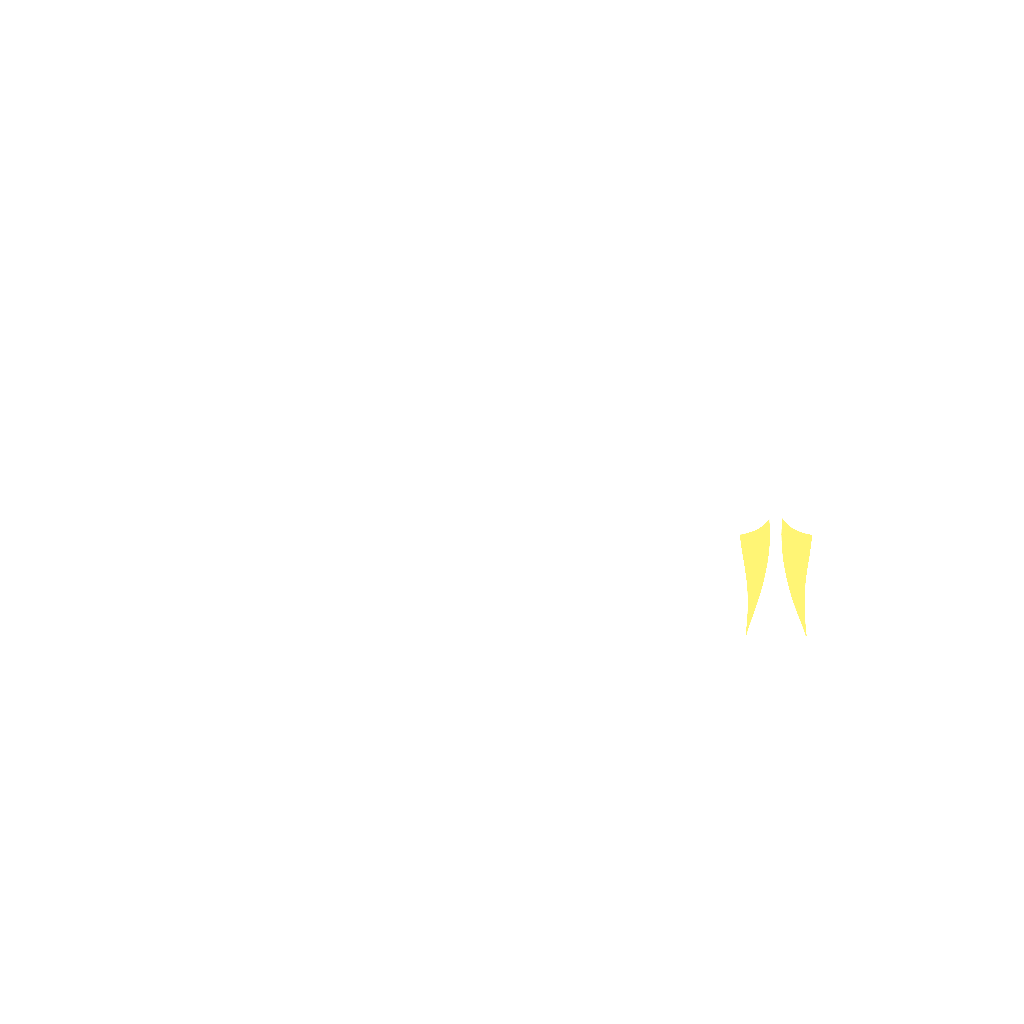
- Rectus Femoris, Vastus Lateralis









- Target
- Rectus Femoris, Vastus Lateralis
- Secondary
- Gluteus Maximus, Biceps Femoris, Semitendinosus, Erector Spinae
- Tertiary
- Adductor Magnus, Upper Rectus Abdominals
How to do it
- 1
Rack a light bar high on the traps and step into a shoulder-width stance.
- 2
Brace the core and hinge forward at the hips into a good morning with soft knees.
- 3
From the hinged position, bend the knees and sink straight down into the bottom of a squat.
- 4
Straighten the knees and lift the hips back up into the good morning position, torso still hinged forward.
- 5
Pause briefly in the good morning position with the back flat and the hamstrings loaded.
- 6
Rise from the good morning to standing to finish the rep, keeping the back flat throughout.
Tips
- Use light weight and learn the rhythm; this is a coordination lift, not a max-strength one.
- Keep the spine neutral and braced through every phase, especially the two hinges.
- Move smoothly between positions; the only stop is the brief pause in the good morning before you stand.
Variations
Common mistakes
- The four positions blur into one continuous rock and the squat in the middle disappears. Hinge, sink, rise back to the hinge, stand, and know which one you are in.
- Knees bend during the good morning half, so the hinge becomes a shallow squat and the hamstrings never get the stretch that makes the drill worth doing.
- The bar gets loaded to what the squat half can handle, when the hinge is the part that caps it. The good morning decides the weight, and it is always the lighter of the two.
- The climb from the squat back into the good morning, taken when you are already breathing hard, is where the lower back rounds. If it cannot stay flat there, the set is over regardless of the count.
- The bar rolls up toward the neck every time you hinge forward, because a high-bar position and a hinge pull in opposite directions. Pull the elbows down and the shoulder blades together before each rep.
Frequently asked
- What weight and rep range suit the Kang squat?
- Start with an empty bar and stay there for a few sessions, since the sequence takes longer to learn than it looks. After that, two or three sets of five to eight reps with a weight that would feel easy for a good morning, used either as a loaded warm-up before squats or as accessory work after them. Rest as long as you need to keep the rhythm smooth. If you have to think about which position comes next, add reps rather than weight.
- How do I do the Kang squat pattern without a barbell?
- Run the same sequence holding a dumbbell or kettlebell at the chest, which is easier on the lower back because the load stays in front and stays light. A band looped over the shoulders and under both feet works at home. With nothing at all the pattern is still useful with the hands behind the head, and it makes a good preparation drill. If you only want the two halves, a light good morning followed by a goblet squat covers most of the ground.
- What is the Kang squat actually for?
- It chains a hinge and a squat together, so it teaches you to tell the two patterns apart while training hamstrings, glutes and quads in one continuous rep. Most lifters use it as a loaded preparation drill before squatting or deadlifting, and it is genuinely useful for anyone whose squat turns into a good morning under load. It is a poor choice as a strength lift, since the weakest position in the chain caps the weight, and not one to attempt with a sore lower back, because it hinges under load twice per rep.
Related exercises
Other movements among FitRay's 2,000+ exercises that load the same target muscle — same equipment and level first.
- IntermediateBarbell Back Squat (High-Bar)Barbell · Quads
- IntermediateFront SquatBarbell · Quads
- Intermediate1.5-Rep Back SquatBarbell · Quads
- IntermediateBanded Back SquatBand · Barbell · Quads
- IntermediateBarbell Back Squat (Low-Bar)Barbell · Quads
- IntermediateBarbell Suitcase DeadliftBarbell · Abs · Glutes