Kettlebell Push Press
The push press adds a shallow knee dip and explosive leg drive to the strict press, letting you move a heavier bell overhead and train the shoulders and triceps with more load. The hips and legs get the bell moving while the delts and triceps finish the lockout, making it a bridge between the strict press and the jerk. It is a great overhead power builder once you can strict-press the bell cleanly.
- Equipment
- Kettlebells
- Type
- Strength
- Browse by muscle
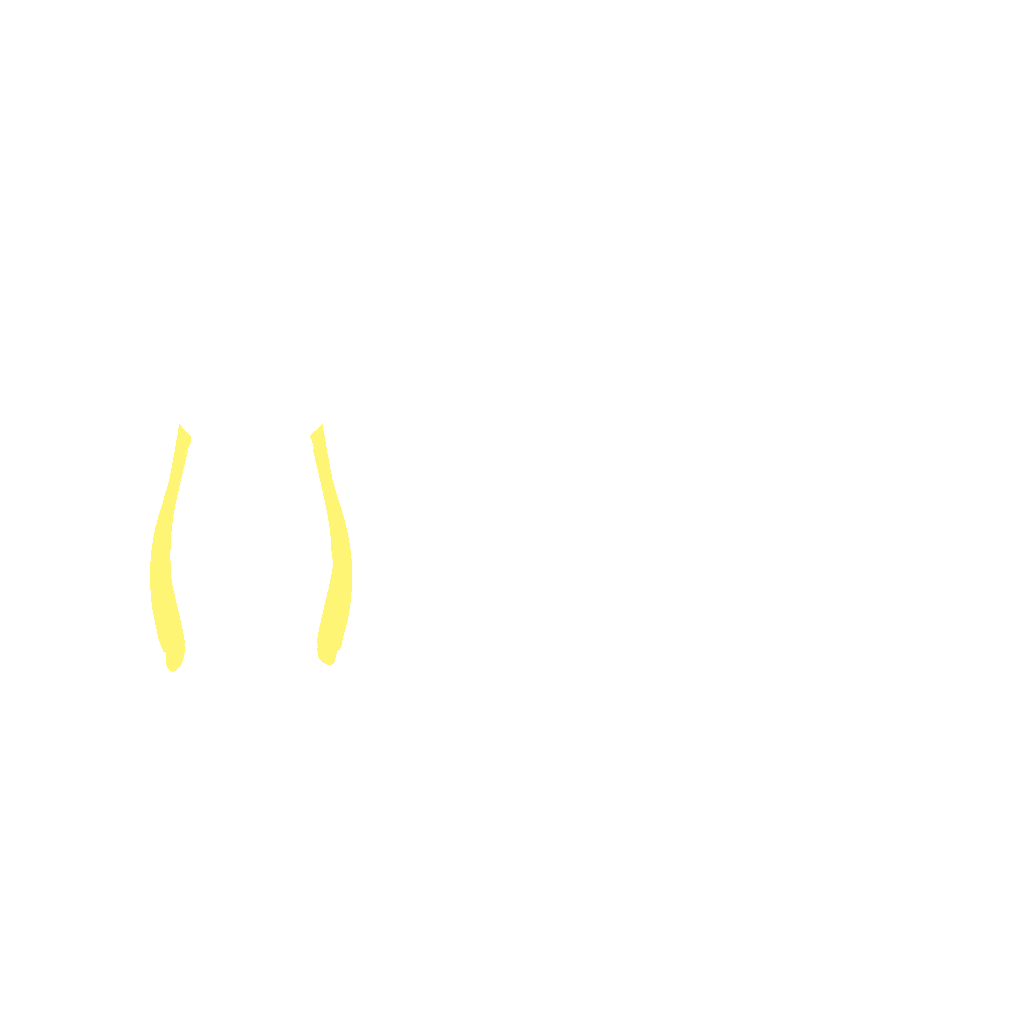
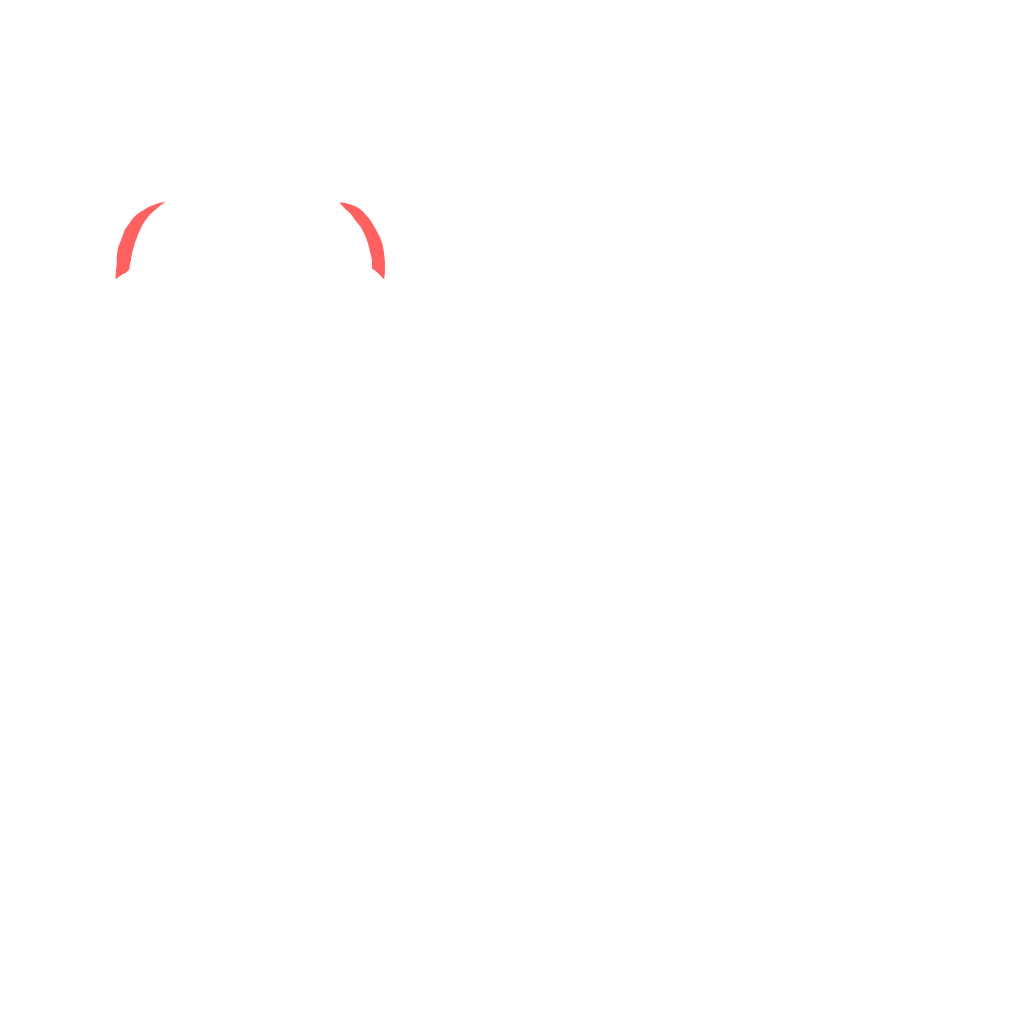
- Deltoid Anterior, Deltoid Middle, Triceps Brachii Long Head
- Browse by movement
- Vertical Press










- Target
- Deltoid Anterior, Deltoid Middle, Triceps Brachii Long Head
- Secondary
- Triceps Brachii Lateral Head, Triceps Brachii Medial Head, Trapezius Upper, Gluteus Maximus
- Tertiary
- Vastus Lateralis, Abdominal External Oblique
How to do it
- 1
Clean a kettlebell to the rack so it rests on the forearm at shoulder height.
- 2
Stand tall with feet hip-width, abs braced, and the wrist stacked.
- 3
Dip by bending the knees a few inches while keeping the torso vertical.
- 4
Reverse sharply, driving through the legs to launch the bell upward.
- 5
Punch the arm to a full overhead lockout as the bell passes your face.
- 6
Lower the bell back to the rack under control and reset for the next rep.
Tips
- Keep the dip short and vertical; leaning forward sends the bell out in front of you.
- Time the arm so it takes over just as the legs finish driving.
- Finish with the biceps by the ear and the bell stacked over the shoulder and hips.
Variations
Common mistakes
- The wrist folds back under the bell in the rack, so the forearm holds a lever instead of a stacked load and the punch overhead starts from a soft joint.
- Punching straight up drives the bell into your chin, because it has to travel around your face; take the head back slightly as the bell passes, then stack it over the shoulder.
- The elbow flares out to the side during the drive, which sends the bell around your body in an arc instead of straight up the line the legs launched it on.
- Catching the bell on the way down with a locked arm slams it onto the forearm; meet it with a soft elbow and a slight knee bend so it settles into the rack.
- Air gets let out at the bottom of the dip, so the trunk goes soft exactly when the legs are pushing through it; hold the breath from the dip until the arm locks out.
Frequently asked
- How many reps of the kettlebell push press should you do per arm when you are new to the exercise?
- Five sets of 5 per arm works well, alternating sides with no rest between arms and about a minute after each pair. Ladders suit this lift too: 1, 2, then 3 reps per side, repeated three or four times, which keeps every rep crisp. Move up a bell size only when the last rep locks out as fast as the first.
- What can I use instead of a kettlebell for the push press?
- A single dumbbell does the job, though the load sits over the hand rather than behind the wrist, so the rack feels different and a little easier. A short loaded bar or a sandbag held at one shoulder also works. With nothing at hand, a heavy backpack gripped by the top handle at shoulder height keeps the dip, drive and lockout intact.
- Who is the kettlebell push press for, and when should I choose something else?
- It suits anyone building single-arm overhead strength and power, and the bell resting on the forearm trains the wrist and rack position that cleans and jerks depend on. Choose something else if your wrist cannot stay straight under the bell, if every catch bruises the forearm, which is a rack problem rather than a toughness one, or if you want maximum load overhead, where a barbell wins easily.
Related exercises
Other movements among FitRay's 2,000+ exercises that load the same target muscle — same equipment and level first.
- IntermediateKettlebell Clean and PressKettlebells · Glutes · Shoulder
- IntermediateKettlebell Clean-Squat-Press FlowKettlebells · Quads · Shoulder
- IntermediateHalf-Kneeling Kettlebell Overhead PressKettlebells · Shoulder
- IntermediateHalf-Kneeling Single-Arm Kettlebell PressKettlebells · Shoulder
- IntermediateKettlebell Push JerkKettlebells · Quads · Shoulder
- IntermediateKettlebell See-Saw PressKettlebells · Shoulder · Triceps