Kettlebell Windmill
The windmill blends a hip hinge, a lateral reach, and an overhead hold into one demanding shape. The lower obliques and hip control the descent while the overhead arm must stay locked and stacked the entire time. It is a superb drill for rotary trunk strength and shoulder stability, but earn it with light weight and clean mobility first.
- Equipment
- Kettlebells
- Type
- Balance, Strength
- Browse by muscle
- Abdominal External Oblique, Gluteus Maximus




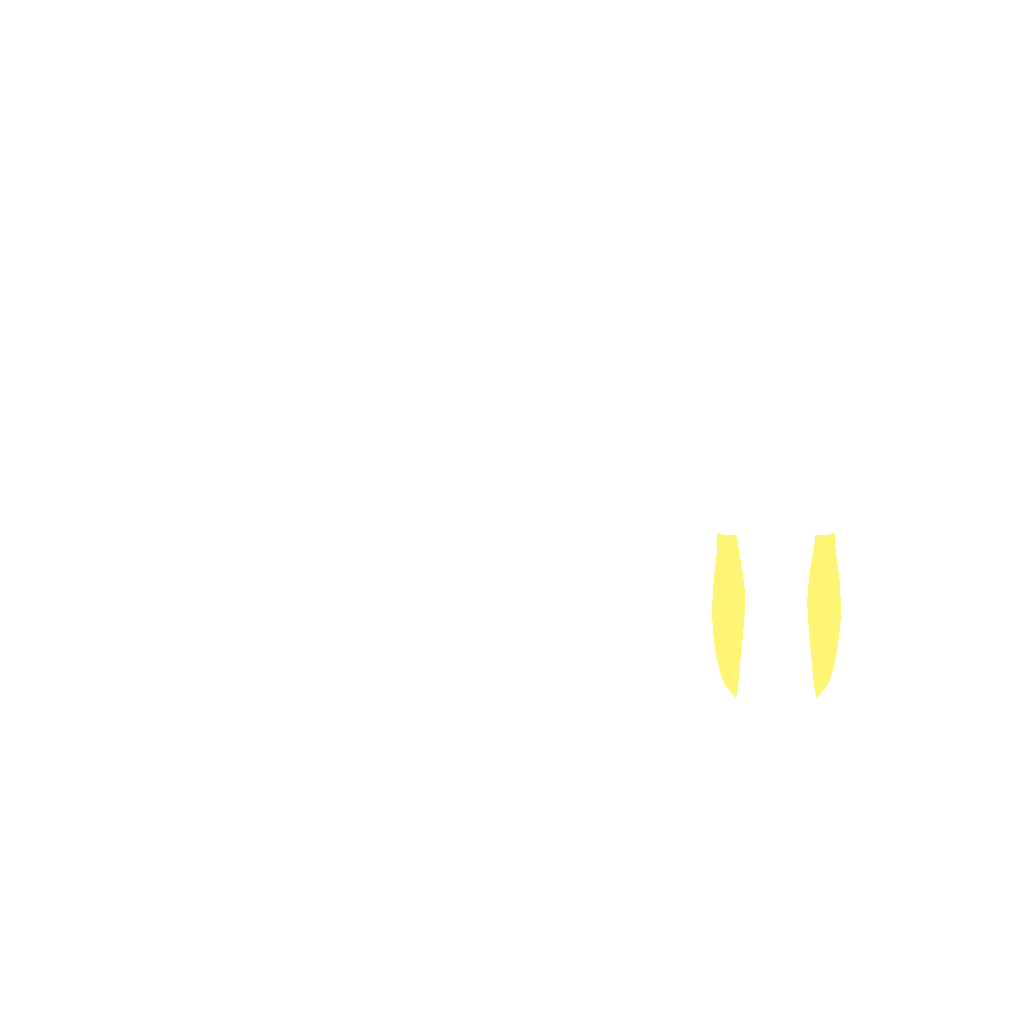

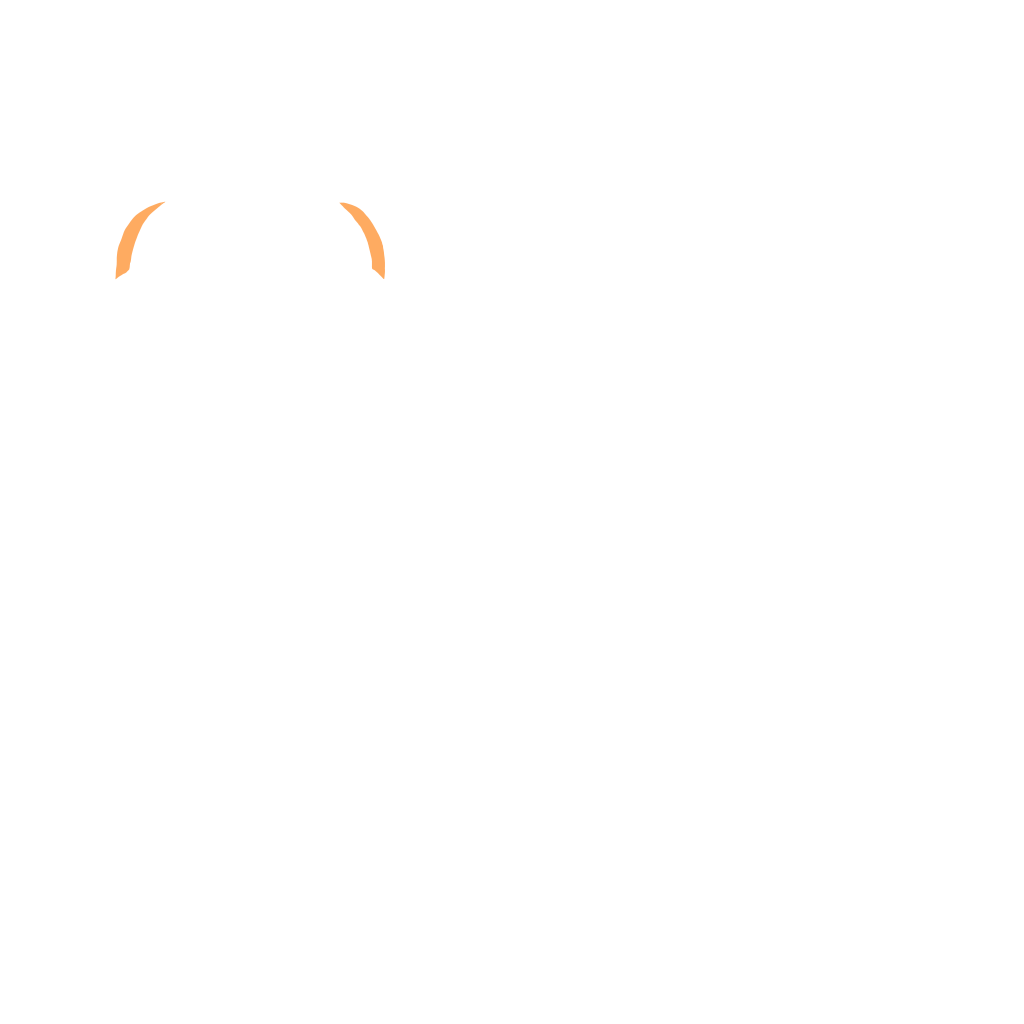
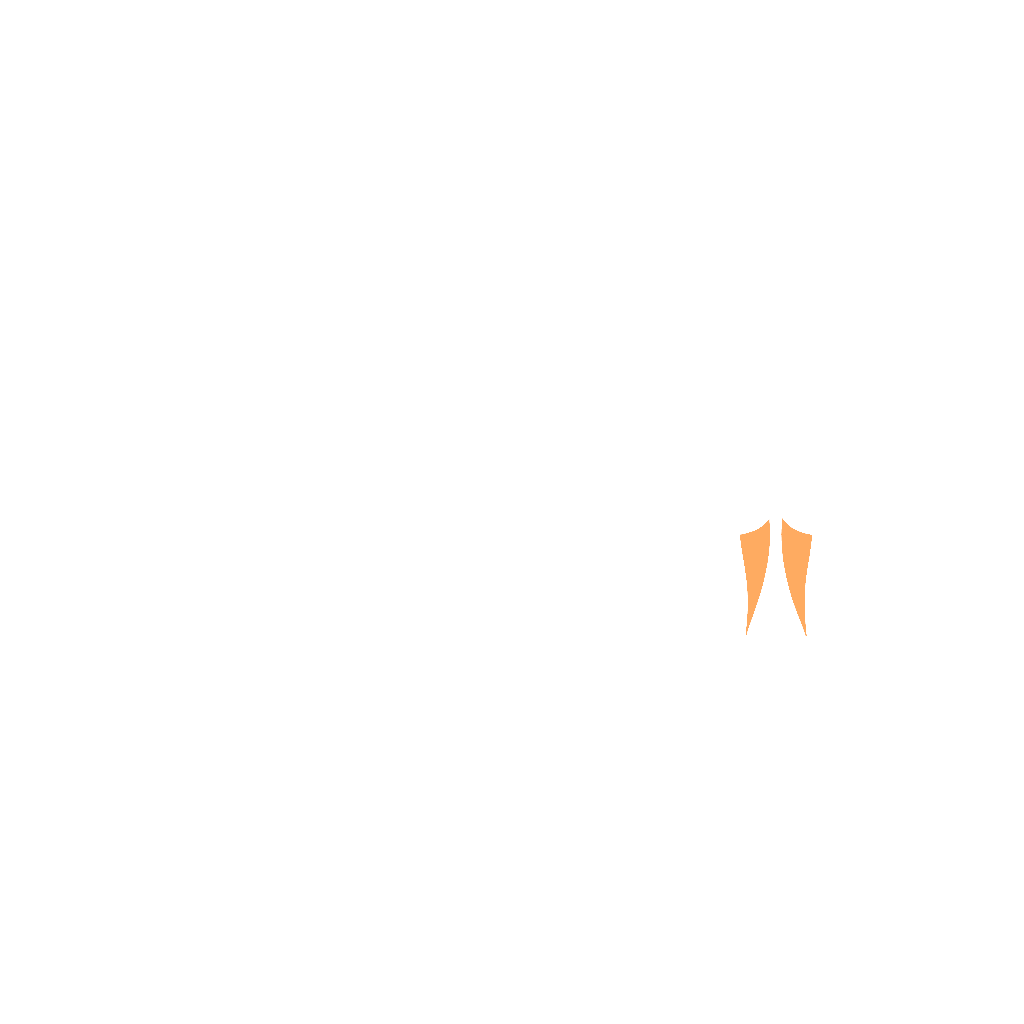



- Target
- Abdominal External Oblique, Gluteus Maximus
- Secondary
- Deltoid Anterior, Deltoid Middle, Adductor Magnus, Biceps Femoris
- Tertiary
- Erector Spinae, Trapezius Middle, Semitendinosus
How to do it
- 1
Press or clean a kettlebell to lockout overhead and turn the feet to point away from the loaded side.
- 2
Shift your weight into the rear hip and push it back and out to that side.
- 3
Keep the overhead arm vertical and your eyes on the bell as your torso tilts sideways.
- 4
Reach the free hand down the inside of the front leg toward the floor.
- 5
Descend only as far as your hamstrings and control allow while keeping a flat back.
- 6
Reverse by driving the hip back under you to stand tall, then repeat before switching sides.
Tips
- Keep the overhead arm locked and stacked over the shoulder for the entire repetition.
- Move by pushing the hip out and back, not by simply crunching sideways at the waist.
- Own the range with a light bell before adding load; depth without control is not the goal.
Variations
Common mistakes
- The overhead arm drifts forward off the shoulder line as the torso tilts, which is the fastest way to lose the lockout this move depends on.
- Crunching sideways at the waist to reach the floor, instead of pushing the hip back and out, folds the spine sideways rather than hinging it.
- The eyes drop away from the bell partway through the descent, and once you stop tracking it, the overhead arm is the first thing to wander off vertical.
- Once the hamstrings run out of range, forcing the reach down further instead of stopping there rounds the low back to manufacture depth that isn't there.
Frequently asked
- What's a sensible starting dose for the kettlebell windmill, and what should you have first?
- Start with two to three sets of four to five reps per side using a light bell, stopping well short of your hamstring end range while you learn the pattern. You should already own a solid overhead press lockout and a comfortable hip hinge before loading this; the windmill exposes weak links in both.
- What can you use instead of a kettlebell for the windmill?
- A dumbbell windmill trains the identical hip-hinge-under-a-locked-overhead-arm pattern, just with a different overhead grip. With no weight at all, you can still rehearse the hip-hinge-and-reach shape empty-handed to groove the movement before adding load.
- What is the kettlebell windmill good for, and who should avoid it?
- It builds rotary trunk strength and shoulder stability under an offset overhead load, useful for lifters who already move well overhead. Avoid it if you have limited hamstring flexibility, a hip impingement, or any shoulder instability overhead; the combined demand exposes those limits fast.
Related exercises
Other movements among FitRay's 2,000+ exercises that load the same target muscle — same equipment and level first.
- AdvancedKettlebell Armor-Building ComplexKettlebells · Quads · Shoulder
- AdvancedTurkish Get-UpKettlebells · Abs · Shoulder
- AdvancedDouble Kettlebell CleanKettlebells · Glutes · Hamstring
- AdvancedDouble Kettlebell SnatchKettlebells · Glutes · Shoulder
- AdvancedDouble Kettlebell SwingKettlebells · Glutes · Hamstring
- AdvancedKettlebell Bent PressKettlebells · Abs · Shoulder