L-Sit Pull-Up
Holding the legs locked at ninety degrees turns an ordinary pull-up into a full-body strength test, marrying a hard vertical pull with a demanding core and hip-flexor hold. The static L-shape prevents any kipping or leg drive, so your lats and biceps must move dead weight while your abs and hip flexors never rest. It is a superb strength builder and a genuine measure of control on the bar.
- Equipment
- Pull-Up Bar
- Type
- Strength
- Browse by muscle
- Latissimus Dorsi
- Browse by movement
- Core Brace, Vertical Pull







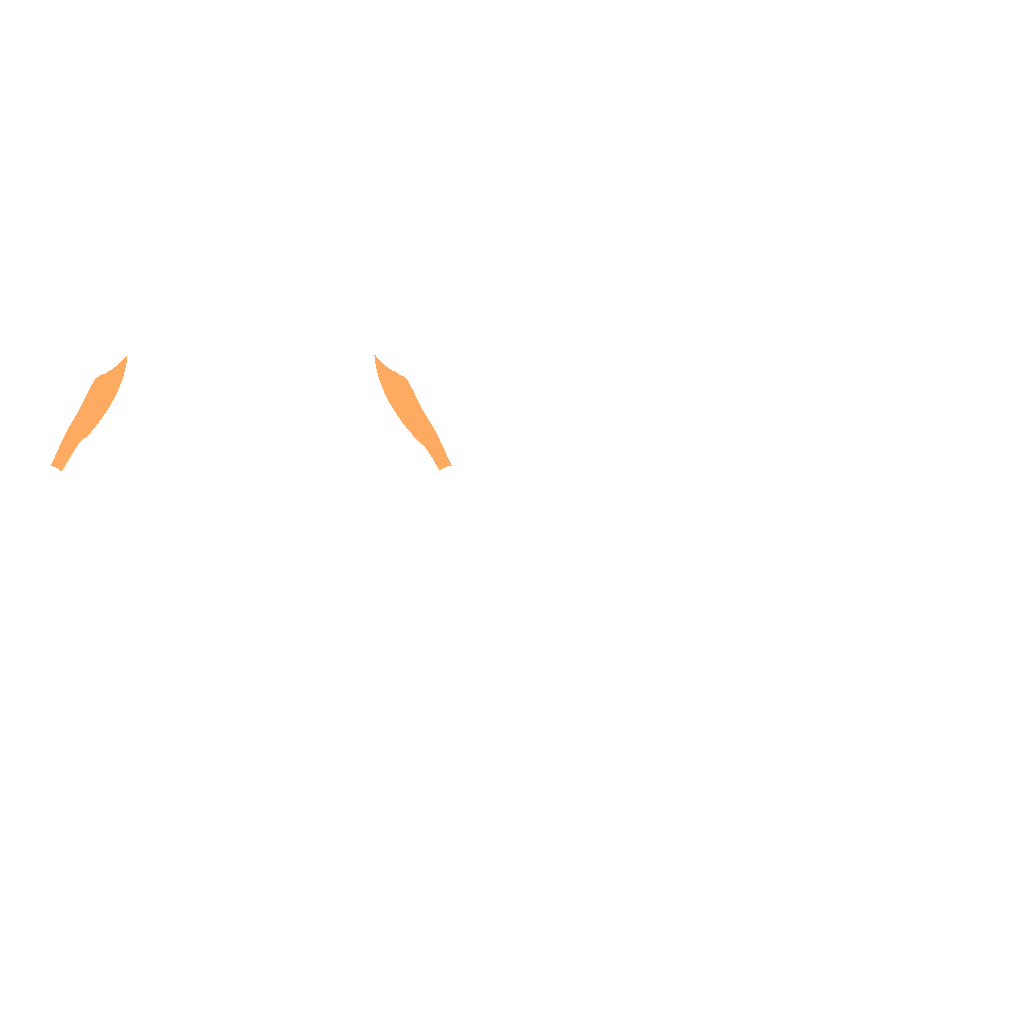
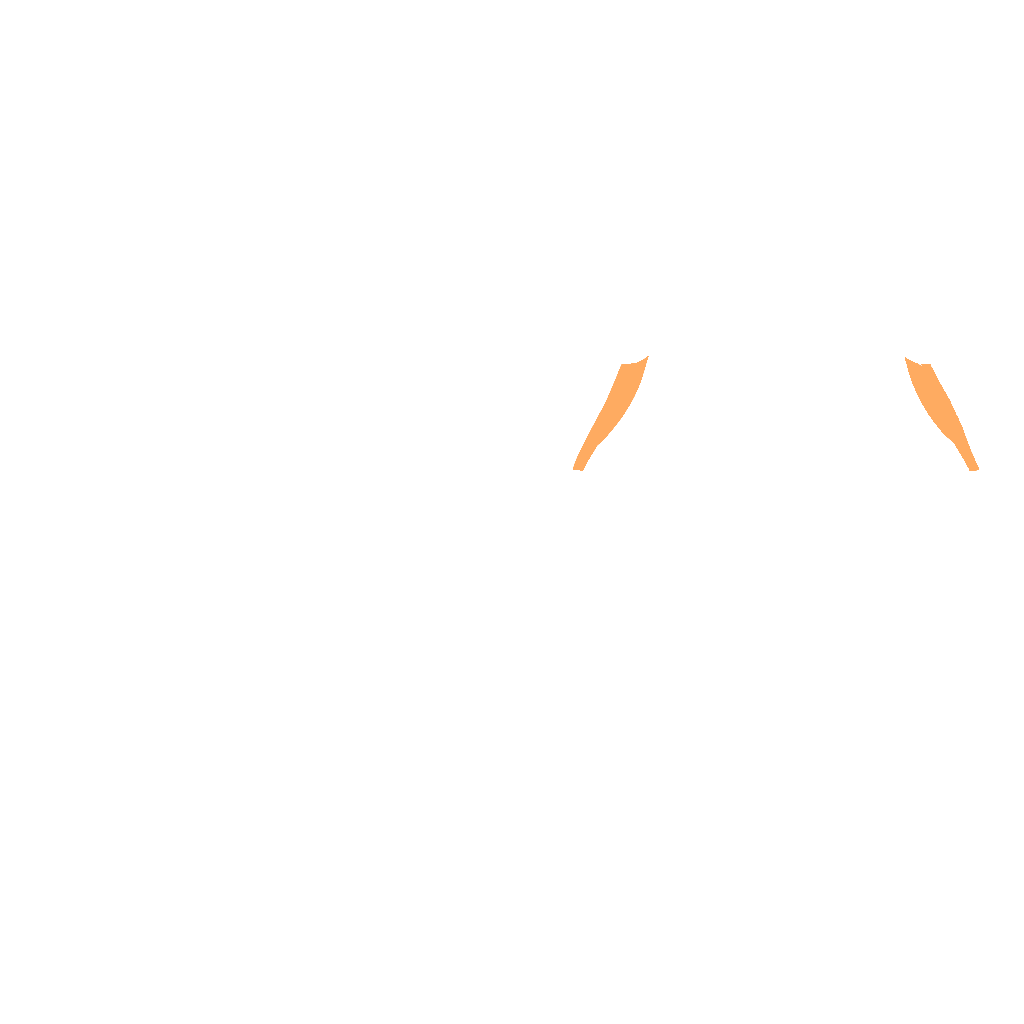




- Target
- Latissimus Dorsi
- Secondary
- Biceps Brachii Long Head, Biceps Brachii Short Head, Brachioradialis, Trapezius Lower, Trapezius Middle, Lower Rectus Abdominals
- Tertiary
- Upper Rectus Abdominals, Abdominal External Oblique, Rectus Femoris
How to do it
- 1
Hang from the bar with an overhand grip and raise your straight legs until they are parallel to the floor.
- 2
Squeeze your quads and abs to lock the L-shape and point your toes.
- 3
Pull yourself up smoothly until your chin clears the bar, holding the legs perfectly still.
- 4
Lower under control to a full hang without letting the legs drop or swing.
- 5
Maintain the L-sit through every rep, breathing shallowly to keep the brace.
Tips
- Keep the legs from sinking as you fatigue; the L must hold or the drill loses its point.
- Move slowly and strictly so momentum cannot creep in from the legs.
- If you cannot hold a full L, tuck the knees to a comfortable angle and extend the legs over time.
Variations
Common mistakes
- The legs creep upward toward the bar as you pull, so the hip flexors join in and each rep quietly becomes half a toes-to-bar.
- The L is held on the way up and abandoned on the way down, which gives away the half of the rep where the abs have the most time under tension.
- Rounding the low back and rolling the shoulders forward to hold the legs up puts the lats in a weak position before the pull even starts; stay tall in the chest and fold at the hip instead.
- A bar you can barely hang from leaves nowhere for the feet to go, so the heels scrape the floor at the bottom and the shape breaks on every rep.
- Sets get written for eight reps because that is what a pull-up set looks like, and reps five onward are done with sagging, half-bent legs.
Frequently asked
- How many L-sit pull-ups should I do, and what should I be able to do before trying them?
- Hold a clean 20-second L-sit on parallettes and do 8 to 10 strict pull-ups before you combine them. Then four sets of 3 to 5 reps with two minutes of rest, twice a week. Build to four sets of 6 before you look for anything harder. If the legs drop below parallel partway through a set, finish the remaining reps with the knees tucked instead of pretending the L is still there.
- What can I do instead of L-sit pull-ups if I have no pull-up bar?
- A lat pulldown done seated with your legs straight out on a bench keeps the same L shape while letting you pick a weight. At home, an inverted row under a sturdy table with your heels on a chair holds the legs level while you pull. Rings or a suspension trainer let you do a hanging L-sit and rows separately. Whichever you use, the compression is the part worth keeping, so hold the legs still rather than letting them swing.
- What are L-sit pull-ups good for, and when are they a poor choice?
- They make kipping impossible and force the lats to move dead weight while the abs and hip flexors hold a static shape, which is why they are such an honest test of control on the bar. They are a poor choice as your main back exercise, since the abs quit before the back does and the reps stay low. They are also the wrong pick if you cannot hold an L yet, and if your hip flexors cramp in the hold, spend a few weeks on tucked holds first.
Related exercises
Other movements among FitRay's 2,000+ exercises that load the same target muscle — same equipment and level first.
- AdvancedPull-UpPull-Up Bar · Back · Lats
- AdvancedBar Muscle-UpPull-Up Bar · Back · Lats
- AdvancedFront Lever RaisePull-Up Bar · Abs · Back
- AdvancedFull Front Lever HoldPull-Up Bar · Abs · Lats
- AdvancedWeighted Pull-UpPlate · Pull-Up Bar · Back
- AdvancedAdvanced Tuck Back Lever HoldPull-Up Bar · Biceps · Lats