Ladder Crossover Shuffle
Moving sideways along the ladder, you cross the trailing leg over the lead leg into each box, blending the hip rotation of a carioca with precise ladder footwork. It challenges the glute medius, adductors, and hip control while training the crossover step used to open the hips and cover ground laterally. Use it to develop lateral coordination and hip mobility in an agility block.
- Equipment
- Agility Gear
- Type
- Cardio, Functional
- Browse by muscle
- Gluteus Medius, Gluteus Maximus, Vastus Lateralis
- Browse by movement
- Gait Drill



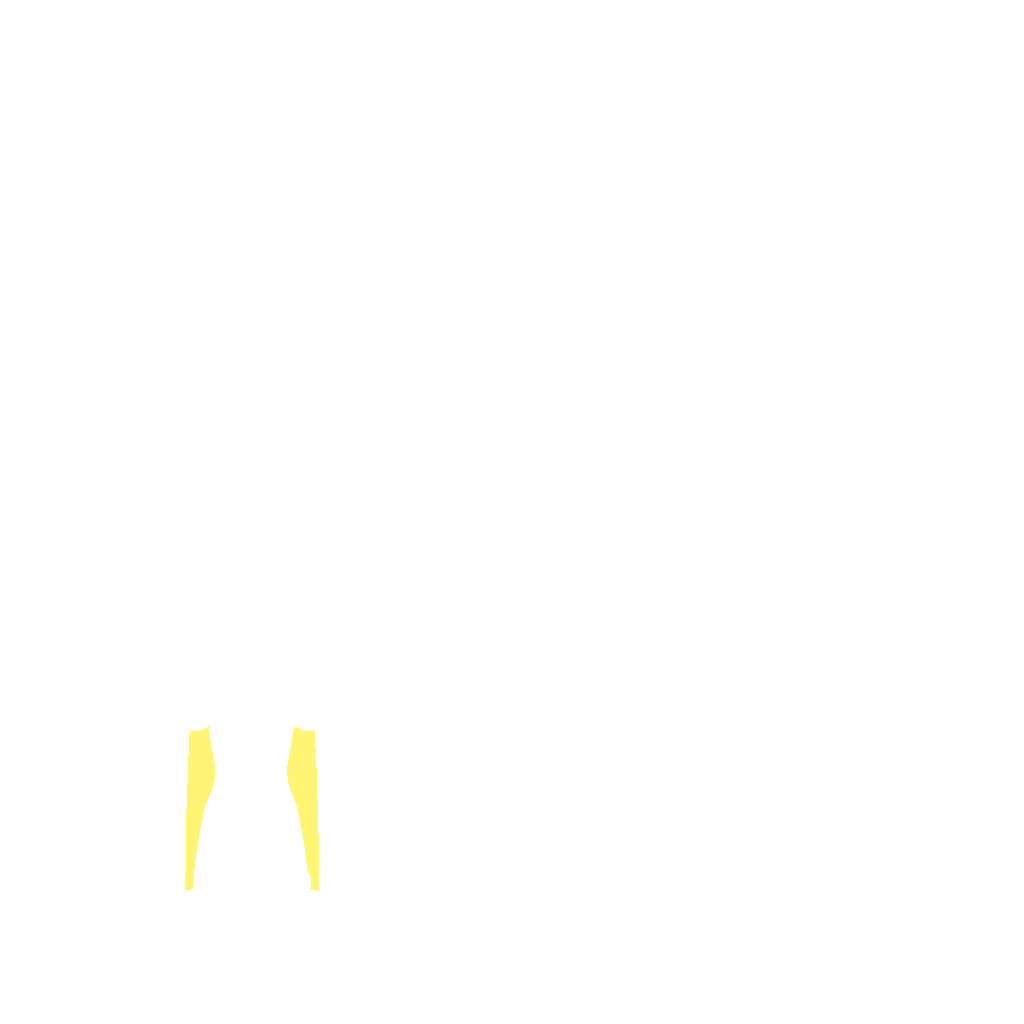
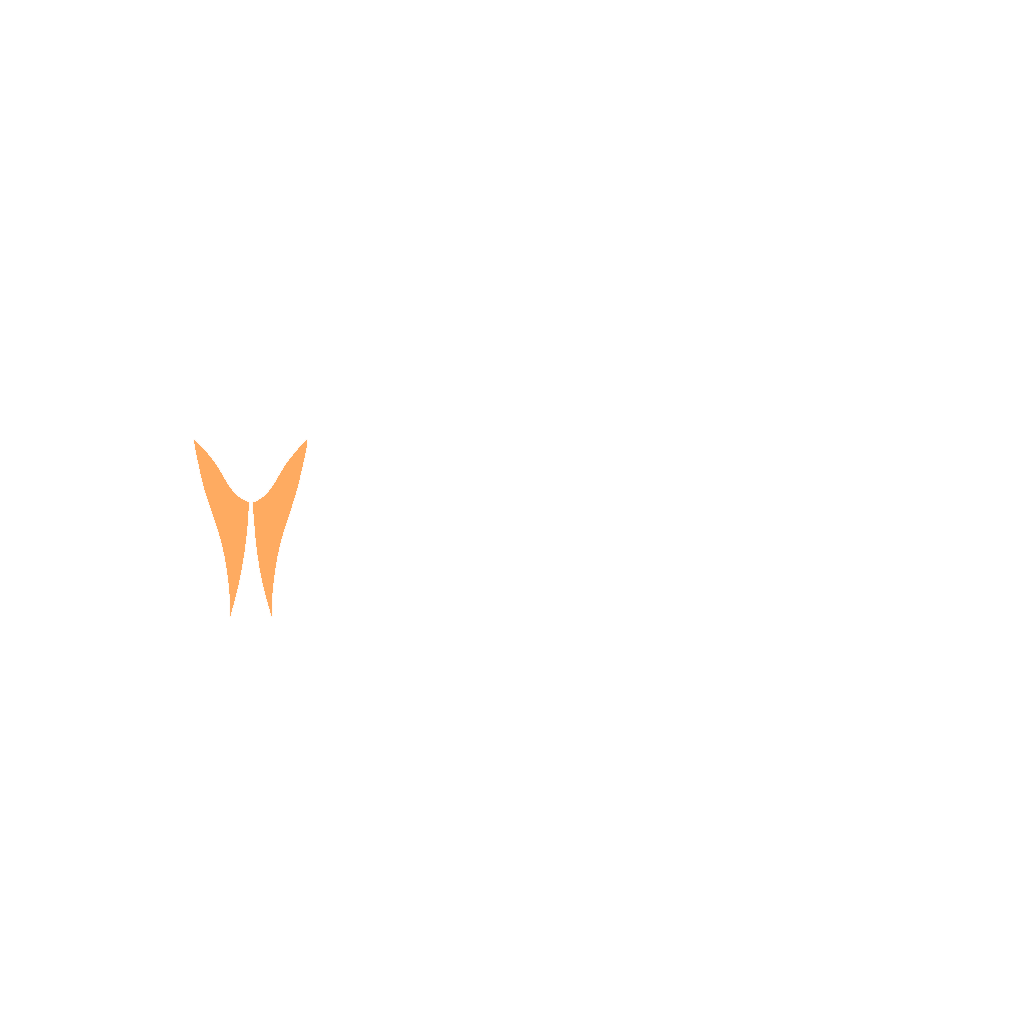

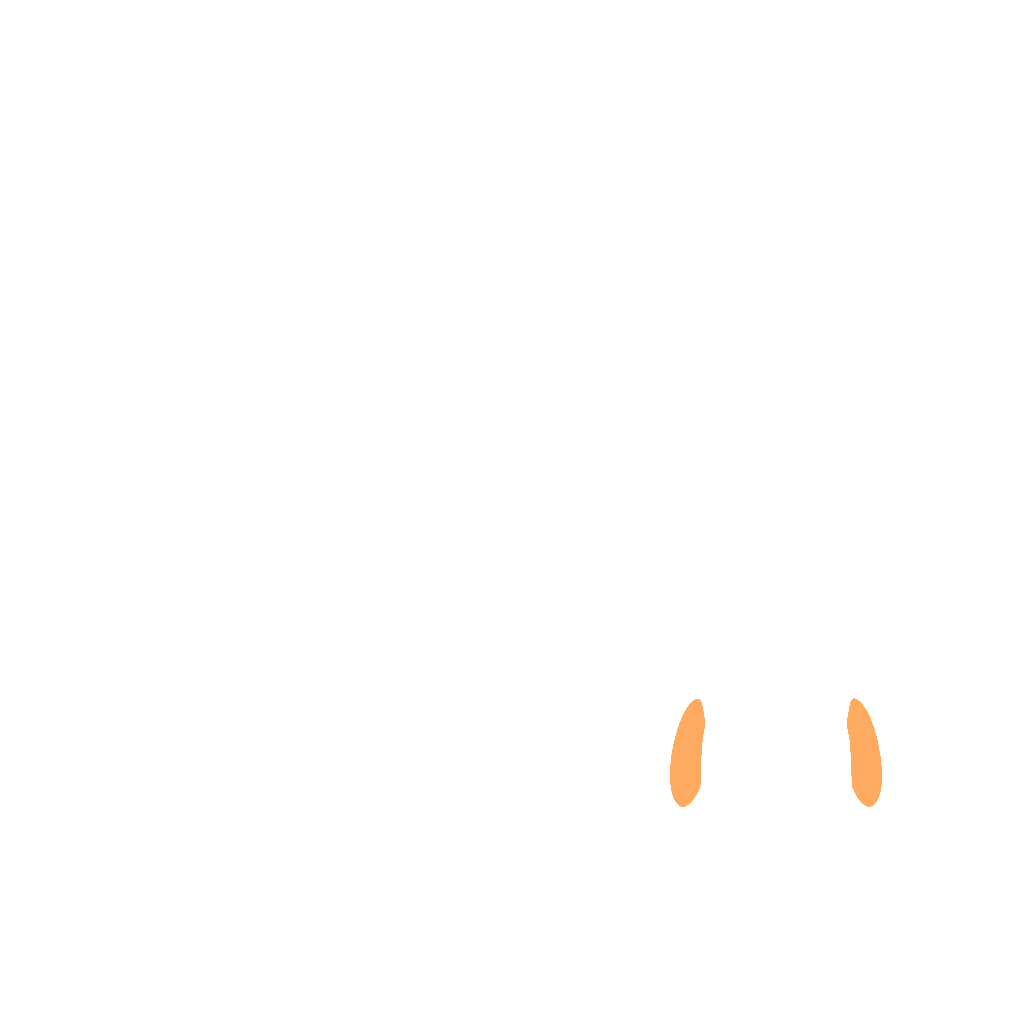
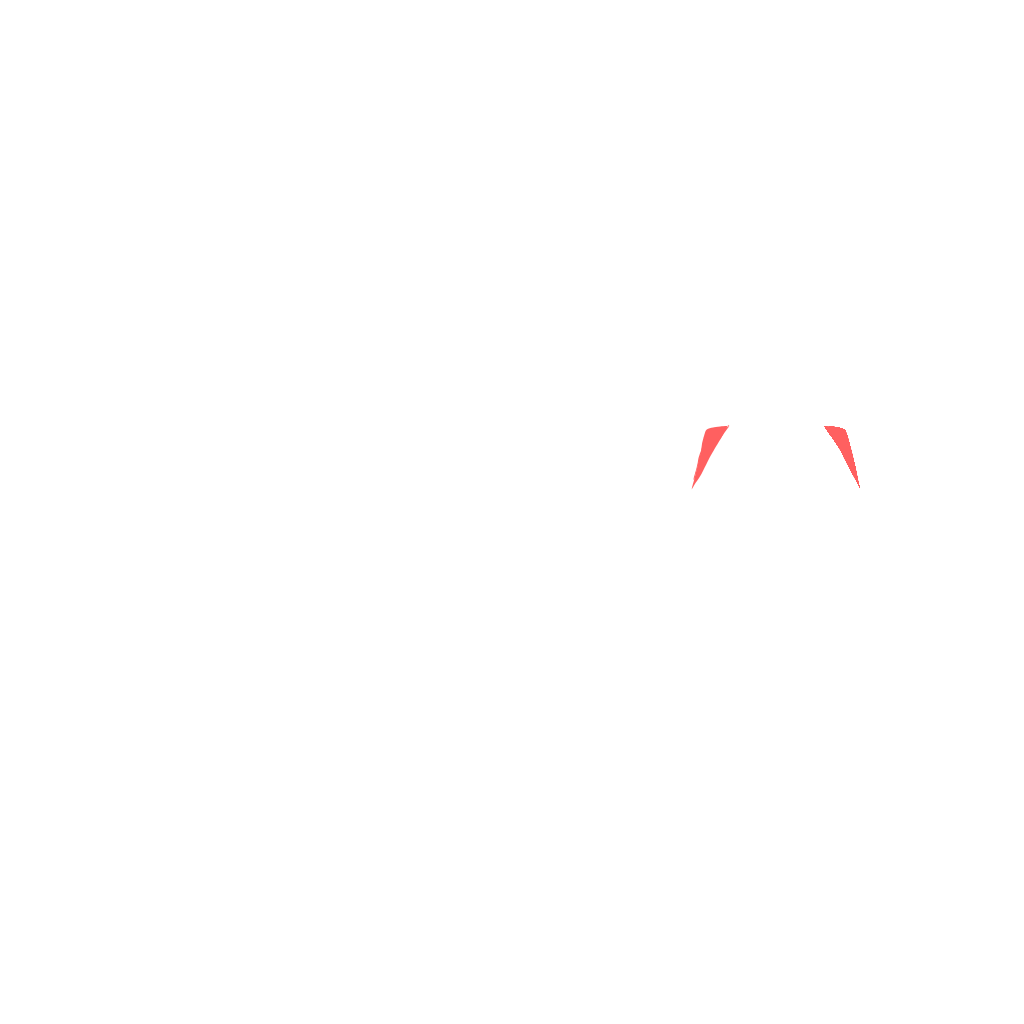


- Target
- Gluteus Medius, Gluteus Maximus, Vastus Lateralis
- Secondary
- Adductor Longus, Rectus Femoris, Gastrocnemius Lateral Head
- Tertiary
- Abdominal External Oblique, Soleus Gastrocnemius
How to do it
- 1
Stand side-on to the ladder with the first box beside your lead foot.
- 2
Step the lead foot laterally into the first box.
- 3
Cross the trail foot over the front of the lead leg into the next box.
- 4
Step the lead foot out and continue crossing over down the ladder.
- 5
Rotate the hips smoothly with each crossover and keep the chest facing forward.
- 6
Reach the end, then repeat leading with the other side.
Tips
- Open the hips to let the crossing leg travel freely instead of jamming it across.
- Stay low and athletic so the glutes and hips control the movement.
- Keep your shoulders square to the front while the hips do the rotating.
- Work both directions to train each hip evenly.
Variations
Common mistakes
- The crossing foot lands on the rung because the step is aimed at the ladder rather than at the next box, and a foot that catches there takes you sideways with nothing to step onto.
- The cross sneaks behind the lead leg because it feels easier there, which is a carioca step and takes the hip through a different range than the front cross this drill is built on.
- The stance hip dips each time the other leg crosses, and a pelvis that drops every step means the glute medius is already finished; shorten the passes rather than grinding out more.
- Arms swing across the chest and end up in the path of the crossing knee, so you lean back to make room and the whole pattern slows down.
- The feet arrive in each box a long beat apart, so the crossover becomes a slow side-step with a flourish instead of the quick two-count it should be.
Frequently asked
- How many passes of the ladder crossover shuffle should you do when you are new to the exercise?
- Three or four passes leading with each side, which is six to eight in total, with a walk back between them. Take the first pass each way slowly enough to feel the hip turn, then let the speed rise. Two or three times a week inside a movement-preparation block suits it. Progress by speeding the same passes up, then by adding a back cross on alternate steps, which turns it into a carioca along the ladder. If the crossing foot keeps clipping rungs, slow down rather than pushing through.
- What can I use instead of a ladder for the crossover shuffle?
- Two parallel lines about 18 inches apart give you everything the ladder does: tape them down, or borrow the lane lines of a court. A row of shoes or chalk marks set an arm's length apart works the same way. With no markings, do plain crossover steps along any straight line and count the strides so both directions travel the same distance. A band above the knees is a useful addition, because it makes the outer hip impossible to ignore.
- What is the ladder crossover shuffle good for, and when is it a poor choice?
- It trains the crossover step, the hip rotation and the glute medius control behind it, which is how athletes cover ground sideways in court and field sports, and it doubles as gentle hip mobility work. It is a poor choice for lateral power, which needs bounds or jumps, and a poor conditioner. Start with a plain lateral shuffle if the crossing pattern makes you stumble, and ease off if the front of the hip pinches as the leg crosses, since that usually means the step is too long.
Related exercises
Other movements among FitRay's 2,000+ exercises that load the same target muscle — same equipment and level first.
- IntermediateBox DrillAgility Gear · Glutes · Quads
- IntermediateIckey ShuffleAgility Gear · Calves · Glutes
- IntermediateLadder In-In-Out-OutAgility Gear · Calves · Quads
- IntermediateLadder Lateral ShuffleAgility Gear · Calves · Glutes
- IntermediateLateral Hurdle HopAgility Gear · Glutes · Quads
- IntermediateMultiple Hurdle HopsAgility Gear · Glutes · Quads