Ladder Lateral Shuffle
The ladder lateral shuffle moves you sideways down the ladder placing both feet in each box while your body stays square to the front. It isolates the lateral quickness and glute medius control that field and court athletes need to defend and change direction. Because you keep facing the same way, both hips get trained by shuffling down and back. It is a clean, low-skill entry point into ladder work.
- Equipment
- Agility Gear
- Type
- Cardio, Functional
- Browse by muscle
- Gluteus Medius, Adductor Longus, Gastrocnemius Lateral Head, Gastrocnemius Medial Head
- Browse by movement
- Gait Drill


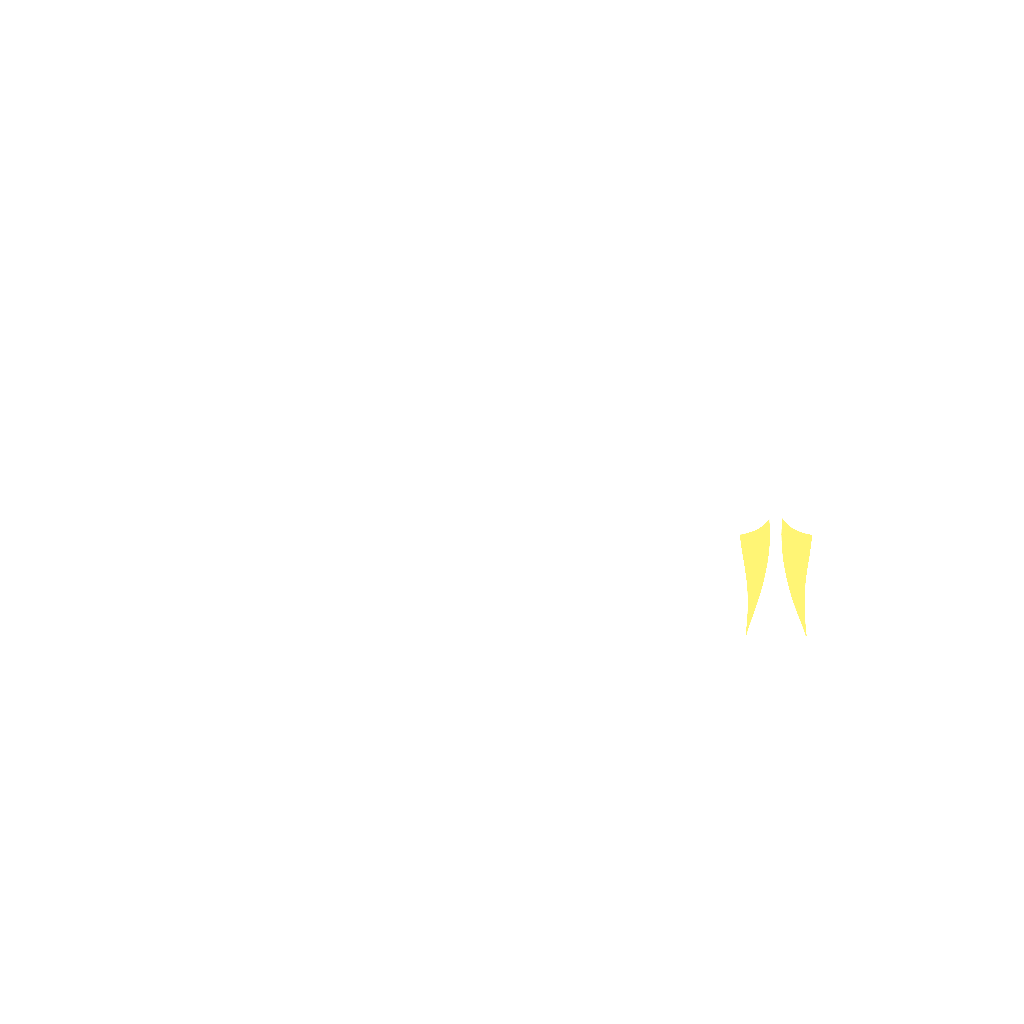
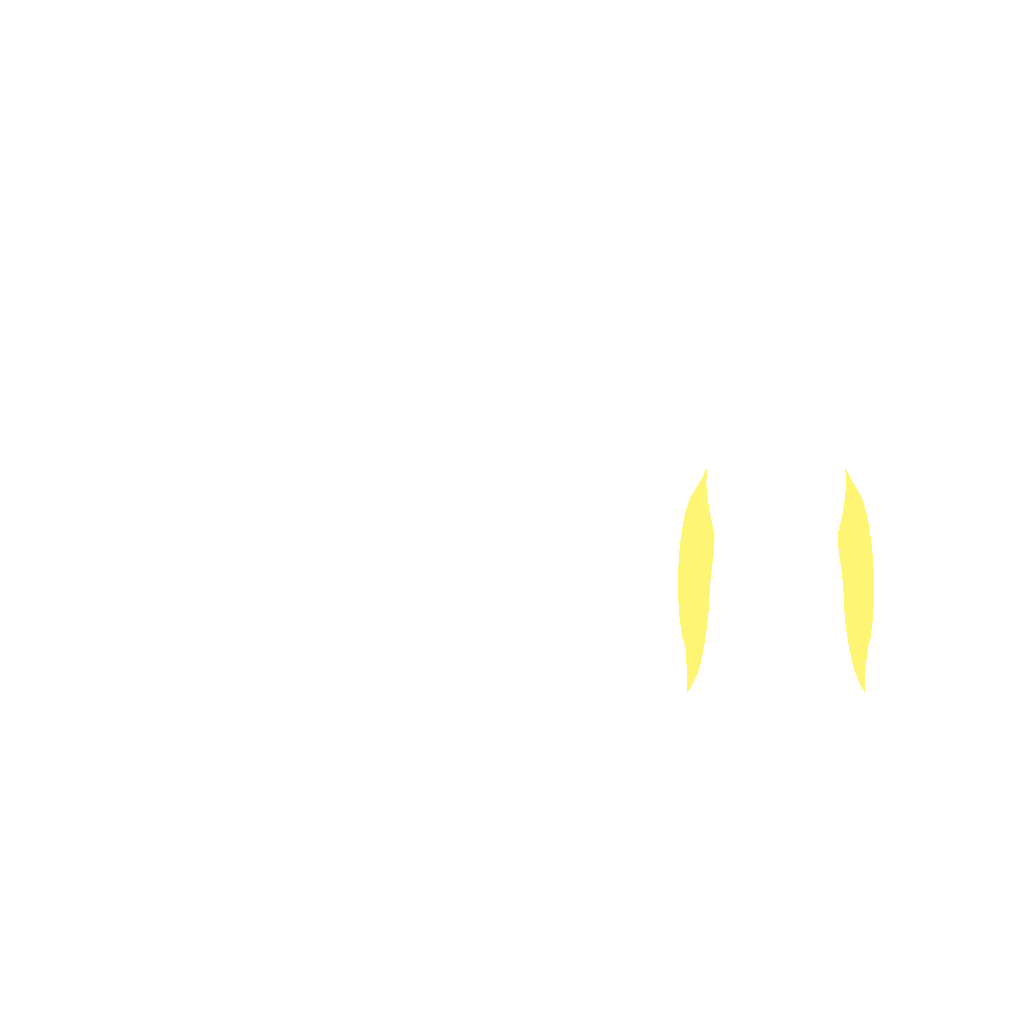



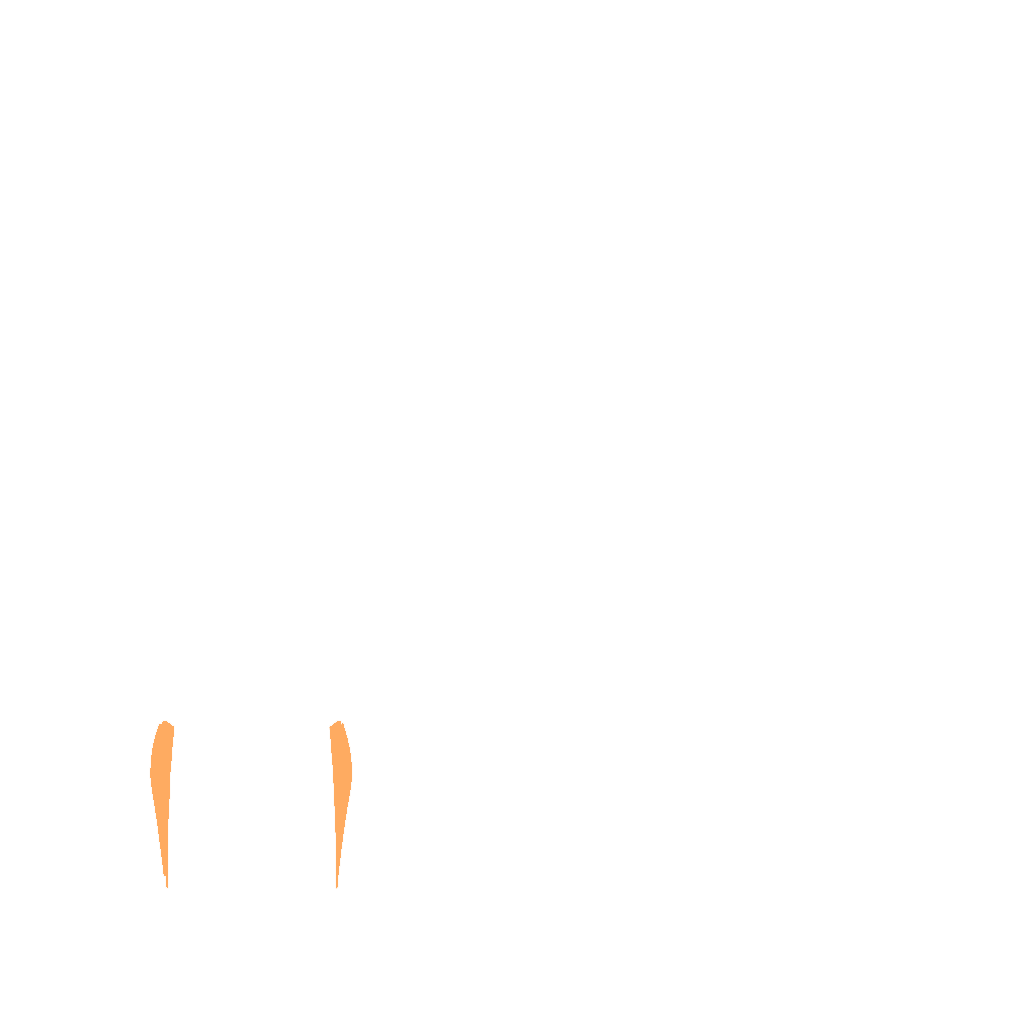
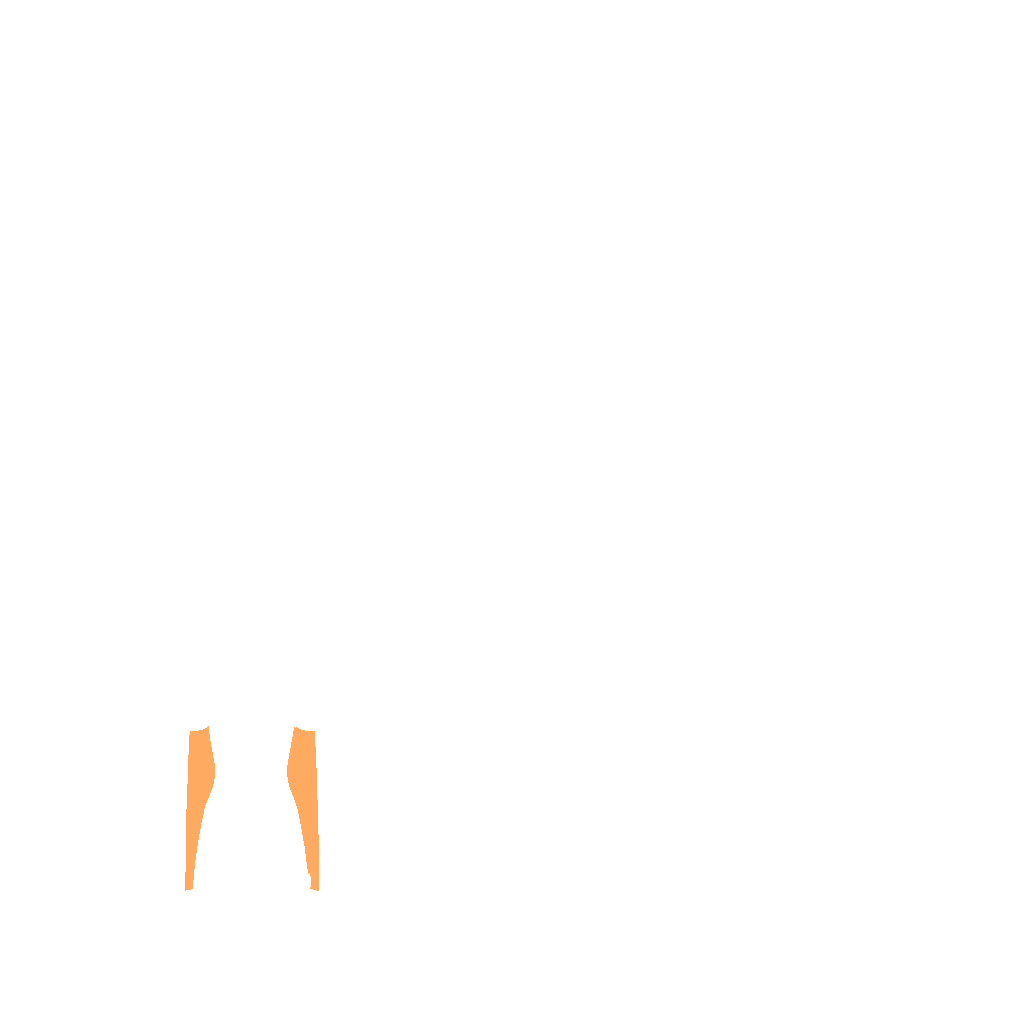



- Target
- Gluteus Medius, Adductor Longus, Gastrocnemius Lateral Head, Gastrocnemius Medial Head
- Secondary
- Vastus Lateralis, Rectus Femoris, Fibularis Longus, Soleus Gastrocnemius, Tibialis Anterior, Gluteus Maximus
- Tertiary
- Adductor Magnus, Biceps Femoris, Abdominal External Oblique
How to do it
- 1
Stand at one end of the ladder in an athletic stance, side-on to its length.
- 2
Step the lead foot laterally into the first box.
- 3
Bring the trailing foot into the same box, then step the lead foot into the next one.
- 4
Continue stepping both feet into each box as you travel sideways down the ladder.
- 5
Stay low with the hips back and the chest tall, facing forward throughout.
- 6
Shuffle back the other direction so both sides do equal work.
Tips
- Keep the feet from clicking together so you stay balanced and ready to move.
- Push off the trailing leg to drive laterally instead of pulling with the lead foot.
- Stay low the whole set; rising up as you tire slows the shuffle down.
Variations
Common mistakes
- The lead foot catches the rung on the way into each box, usually because the step is aimed at the floor in general rather than at the middle of the box.
- Your line drifts away from the ladder as you travel, so by the fourth box the far foot is landing outside the side rail. Pick a floor seam or a line to shuffle along.
- Both feet are meant to touch each box, but the second foot arrives so late that the pattern turns into a slow side-step. Both feet should be in and out of a box before you think about the next one.
- The hips drift behind the feet, so every step becomes a reach rather than a push and you finish the ladder being pulled sideways instead of driving.
- The ladder is laid on carpet or long grass where the rungs bunch up, and a shuffling foot that catches a folded rung rolls the ankle sideways.
Frequently asked
- How many lateral shuffle passes should you do on the ladder when you are new to the exercise?
- Three or four passes in each direction, with a short walk back between them, is a complete dose for a preparation drill. Each pass takes only a few seconds, so the rest comes naturally. Start slowly enough that the lead foot lands in the middle of every box, then let the speed rise across passes. If you want it to count as conditioning, run six passes each way back to back, but expect the footwork to be the first thing that goes.
- What can I do instead of a ladder for lateral shuffle drills?
- Any set of evenly spaced lines works: the boards of a gym floor, court markings, sidewalk seams, or a row of shoes laid out an arm's length apart. With no markings, shuffle between two cones set five yards apart and touch the ground at each end, which trains the same push-off and the same low stance. A band around the thighs is a useful addition to either version, since it makes the trailing-leg push impossible to ignore.
- What is the ladder lateral shuffle good for, and when is it the wrong drill?
- It is the easiest way into lateral ladder work: the pattern is simple, so your attention can go to staying low and pushing off the trailing leg. It suits beginners and makes a decent opener before court sports. It is the wrong drill if you want lateral power, since nothing here is explosive; bounds or band-resisted shuffles do that job. It asks little of your conditioning too. Ease off it with a sore groin or hip flexor, because the repeated push-off works exactly that area, and keep sessions short once the pattern is automatic.
Related exercises
Other movements among FitRay's 2,000+ exercises that load the same target muscle — same equipment and level first.
- IntermediateBox DrillAgility Gear · Glutes · Quads
- IntermediateIckey ShuffleAgility Gear · Calves · Glutes
- IntermediateLadder Ali ShuffleAgility Gear · Calves · Quads
- IntermediateLadder Crossover ShuffleAgility Gear · Glutes · Quads
- IntermediateLadder In-In-Out-OutAgility Gear · Calves · Quads
- IntermediateLateral Hurdle HopAgility Gear · Glutes · Quads