Medicine Ball Step-Behind Rotational Throw
Adding a step-behind crossover lets you build momentum and gather force before you unload, the way a baseball hitter or shot-putter does. It is the most athletic and highest-output rotational throw in this family, so it belongs with experienced trainees who already own the standing versions. Chase distance and speed, not volume.
- Equipment
- Medicine Ball
- Body part
- Abs
- Type
- Functional, Plyometric
- Browse by muscle
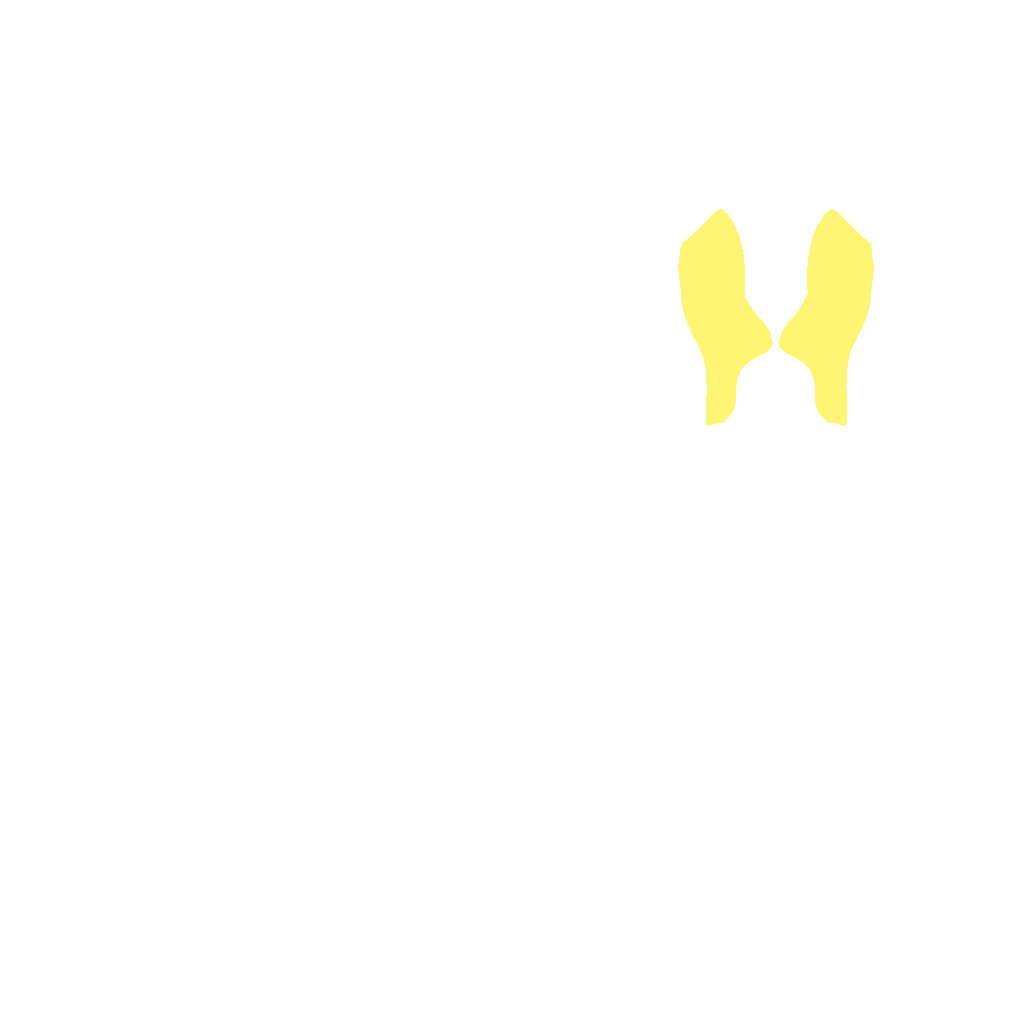
- Abdominal External Oblique
- Browse by movement
- Rotation








- Target
- Abdominal External Oblique
- Secondary
- Gluteus Maximus, Gluteus Medius, Deltoid Anterior, Pectoralis Major Sternocostal
- Tertiary
- Erector Spinae, Latissimus Dorsi, Vastus Lateralis
How to do it
- 1
Stand side-on to a wall a few feet away, holding the ball at your midsection.
- 2
Step your back foot behind and across toward your lead foot to gather momentum.
- 3
As the back foot plants, load into that hip and coil the trunk away from the wall.
- 4
Explosively rotate the hips and torso and hurl the ball into the wall at chest height.
- 5
Catch the rebound, reset your position, and repeat before switching sides.
Tips
- Time the trunk rotation to fire just after the crossover foot plants.
- Keep the sequence hips-then-shoulders-then-arms for maximum whip.
- Land the crossover under control so you can transfer force, not just shuffle.
- Use maximal intent on low reps; this is a power drill, not conditioning.
Variations
Common mistakes
- The ball drifts away from the midsection during the crossover step, so it has to be recollected before the coil can load, which breaks the flow of the whole sequence.
- Setting up too close to the wall leaves no room for the crossover step, compressing the whole approach into a half-step that defeats the point of the drill.
- The finish spins the body past facing the wall instead of stopping the rotation on target, which throws off your balance right after release.
- Skipping a full reset of the stance and coil between throws carries leftover momentum into the next rep, making it impossible to tell whether that throw was a true maximal effort.
Frequently asked
- How many reps of the step-behind rotational throw should you do when you are new to the exercise?
- Keep it to 3 sets of 3 to 4 throws per side with a full minute of rest between sides, since this is a maximal-power drill, not a volume exercise. Add a rep only once every throw in a set looks and feels equally explosive; if effort drops off mid-set, cut the set short instead.
- What can you do instead of the step-behind rotational throw without a medicine ball?
- Practice the crossover step and rotation on its own, without a ball, focusing on timing the hip load to the foot plant, which trains the footwork that makes this drill work. A band rotational chop from a stationary split stance is a reasonable substitute for the throwing portion.
- Who is the step-behind rotational throw for?
- It is for advanced trainees who already own the standing and split-stance rotational throws and want the highest-output version for building rotational power and speed. It is the wrong starting point for anyone still learning to sequence hips before arms, since the added footwork only amplifies a bad sequence.
Related exercises
Other movements among FitRay's 2,000+ exercises that load the same target muscle — same equipment and level first.
- AdvancedMedicine Ball Turkish Get-UpMedicine Ball · Abs · Shoulder
- IntermediateRussian TwistBody Weight · Medicine Ball · Abs
- IntermediateMedicine Ball Partner Rotational PassMedicine Ball · Abs
- BeginnerMedicine Ball Around-the-WorldMedicine Ball · Abs · Shoulder
- IntermediateMedicine Ball Feet-Up Russian TwistMedicine Ball · Abs
- IntermediateMedicine Ball Punch ThrowMedicine Ball · Abs · Chest