Medicine Ball Tall-Kneeling Rotational Throw
By taking the legs out of the equation, the tall-kneeling position forces the obliques and thoracic spine to produce the rotation on their own. It is a great teaching tool for lifters who over-rely on their arms or who want to feel true core-driven power. Keep the hips tall and locked so the movement stays in the trunk.
- Equipment
- Medicine Ball
- Body part
- Abs
- Type
- Functional, Plyometric
- Browse by muscle
- Abdominal External Oblique
- Browse by movement
- Rotation






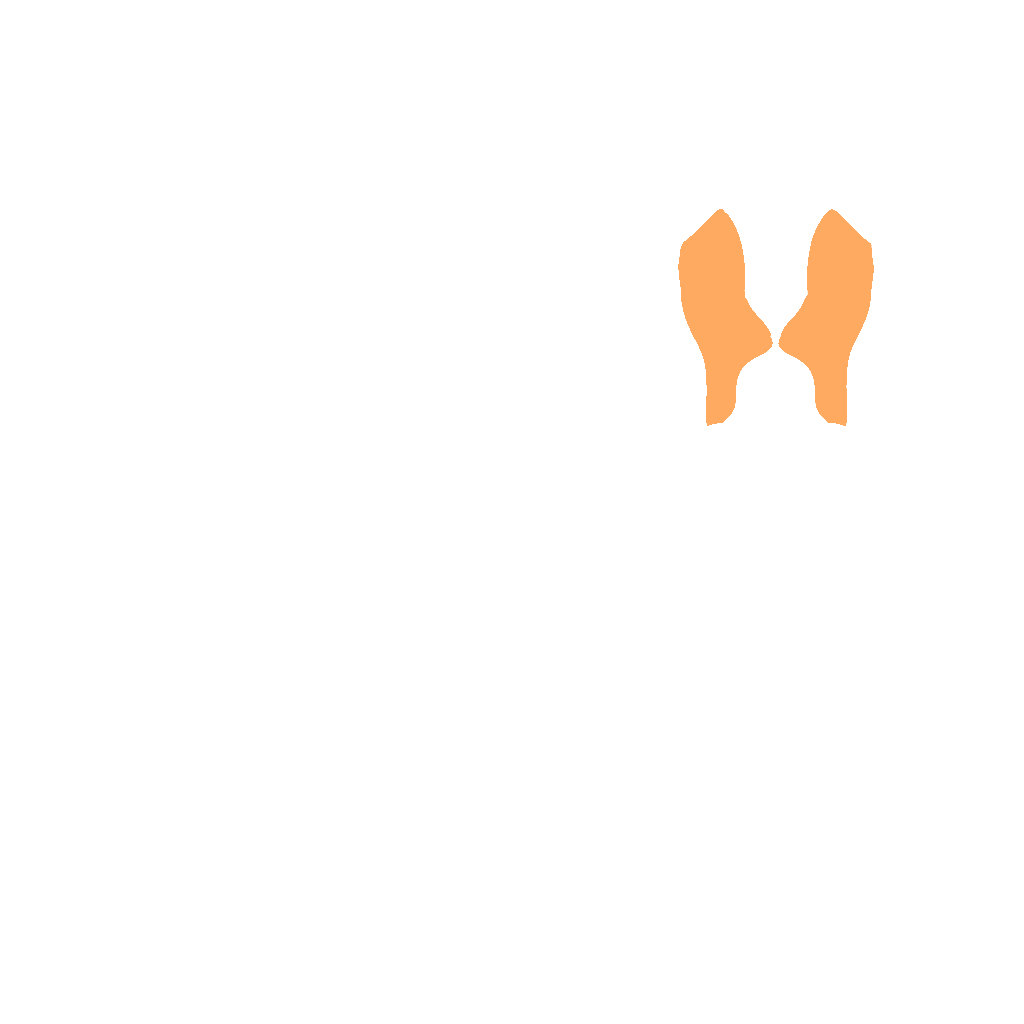

- Target
- Abdominal External Oblique
- Secondary
- Deltoid Anterior, Pectoralis Major Sternocostal, Latissimus Dorsi
- Tertiary
- Erector Spinae, Upper Rectus Abdominals
How to do it
- 1
Kneel tall on a pad with both knees down, hips fully extended, side-on to a wall.
- 2
Hold the ball at waist height with both hands and squeeze your glutes to lock the hips.
- 3
Wind the trunk away from the wall while keeping the hips facing forward.
- 4
Rotate the torso hard toward the wall and release the ball at chest height.
- 5
Catch the rebound, reload, and complete the set before turning to face the other way.
Tips
- Keep your hips square and tall throughout; only the trunk should turn.
- Do not sit back onto your heels as you throw.
- Think about rotating your sternum toward the target to drive from the thoracic spine.
- Brace before each throw so the lower back stays neutral.
Variations
Common mistakes
- The ball drifts up toward the chest during the wind-up instead of staying at waist height, which flattens the coil and changes the angle of every throw.
- More weight settles onto one knee than the other, tilting the pelvis sideways and showing up as an unwanted lean in every throw.
- Cutting the first side short to switch directions early leaves one rotation direction under-trained for the session.
- Throwing before the trunk finishes winding away from the wall shortens the range it rotates through and caps how fast the ball leaves your hands.
Frequently asked
- How many reps of the tall-kneeling rotational throw should a beginner do?
- Do 3 sets of 5 throws per side, completing one full side before switching directions, and rest about a minute between sides. Add a set once the throw feels smooth and controlled before increasing reps or ball weight.
- What can you do instead of the tall-kneeling rotational throw without a medicine ball?
- A tall-kneeling band rotation, anchored to the side at waist height, trains the same hip-locked trunk rotation. A seated or kneeling torso twist against light manual resistance from a partner works if you have no bands or ball.
- Why train the rotational throw from tall kneeling instead of standing?
- Removing the legs isolates the obliques and thoracic spine, which helps lifters who lean on their arms or legs to generate the throw feel true trunk-driven power. It is a poor substitute for the standing or split-stance version if your goal is transfer to a sport, since real rotational power in sport always involves the legs and feet.
Related exercises
Other movements among FitRay's 2,000+ exercises that load the same target muscle — same equipment and level first.
- BeginnerMedicine Ball Around-the-WorldMedicine Ball · Abs · Shoulder
- BeginnerMedicine Ball Split-Stance Rotational ThrowMedicine Ball · Abs
- IntermediateRussian TwistBody Weight · Medicine Ball · Abs
- IntermediateMedicine Ball Partner Rotational PassMedicine Ball · Abs
- IntermediateMedicine Ball Feet-Up Russian TwistMedicine Ball · Abs
- IntermediateMedicine Ball Punch ThrowMedicine Ball · Abs · Chest