One-Legged King Pigeon Pose
One-Legged King Pigeon is a demanding backbend that opens the front thigh, hip flexors, chest, and shoulders all at once while the spine extends deeply. It asks for well-prepared quadriceps, open shoulders, and a warm, mobile spine. Reserve it for the peak of an advanced practice after thorough opening work.
- Equipment
- Body Weight
- Type
- Stretching, Yoga
- Browse by muscle
- Erector Spinae, Gluteus Maximus


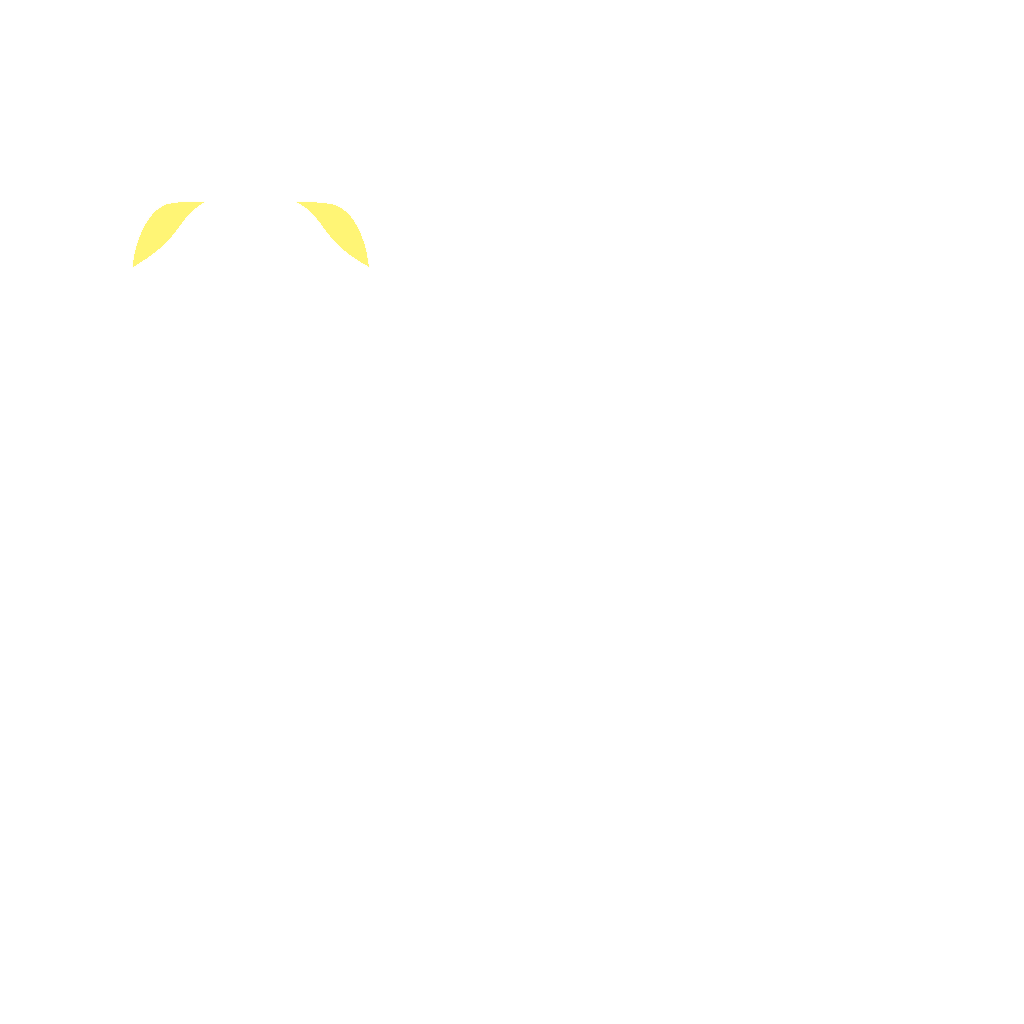
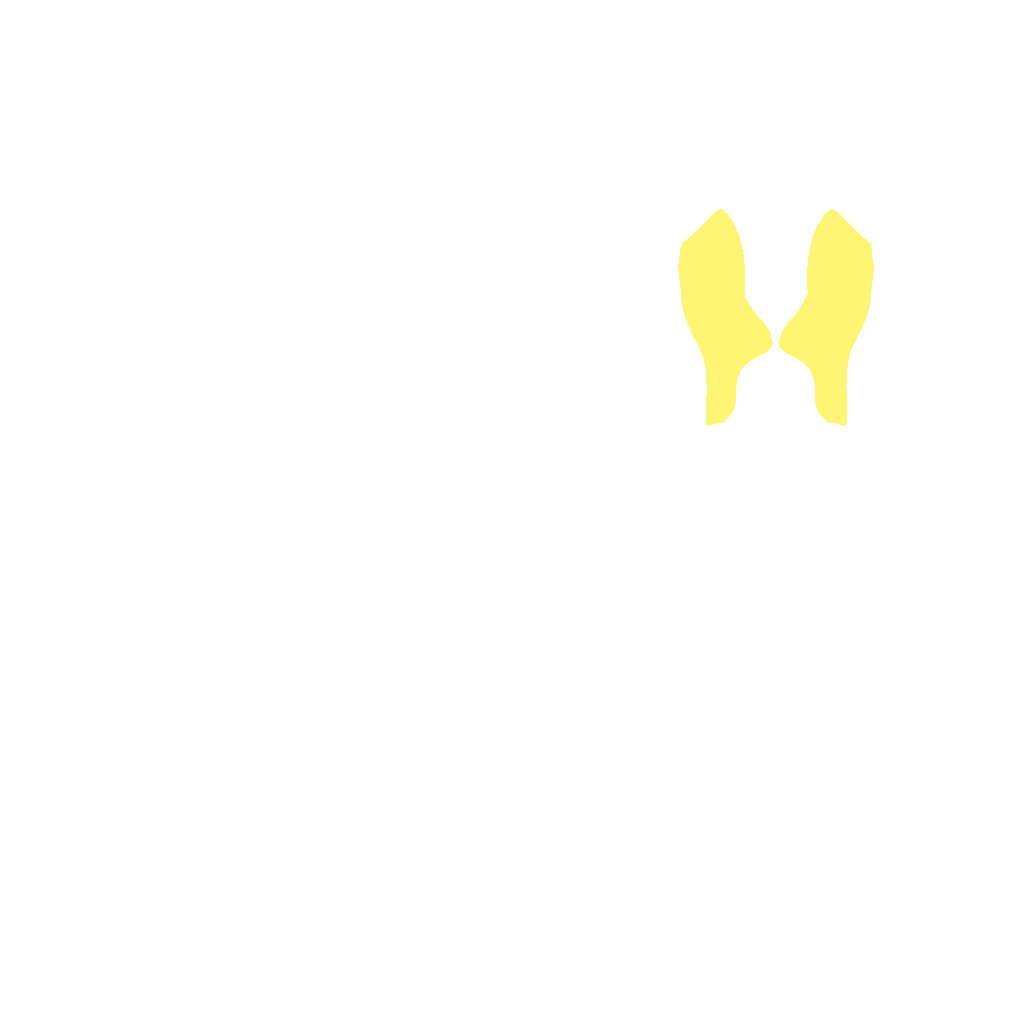

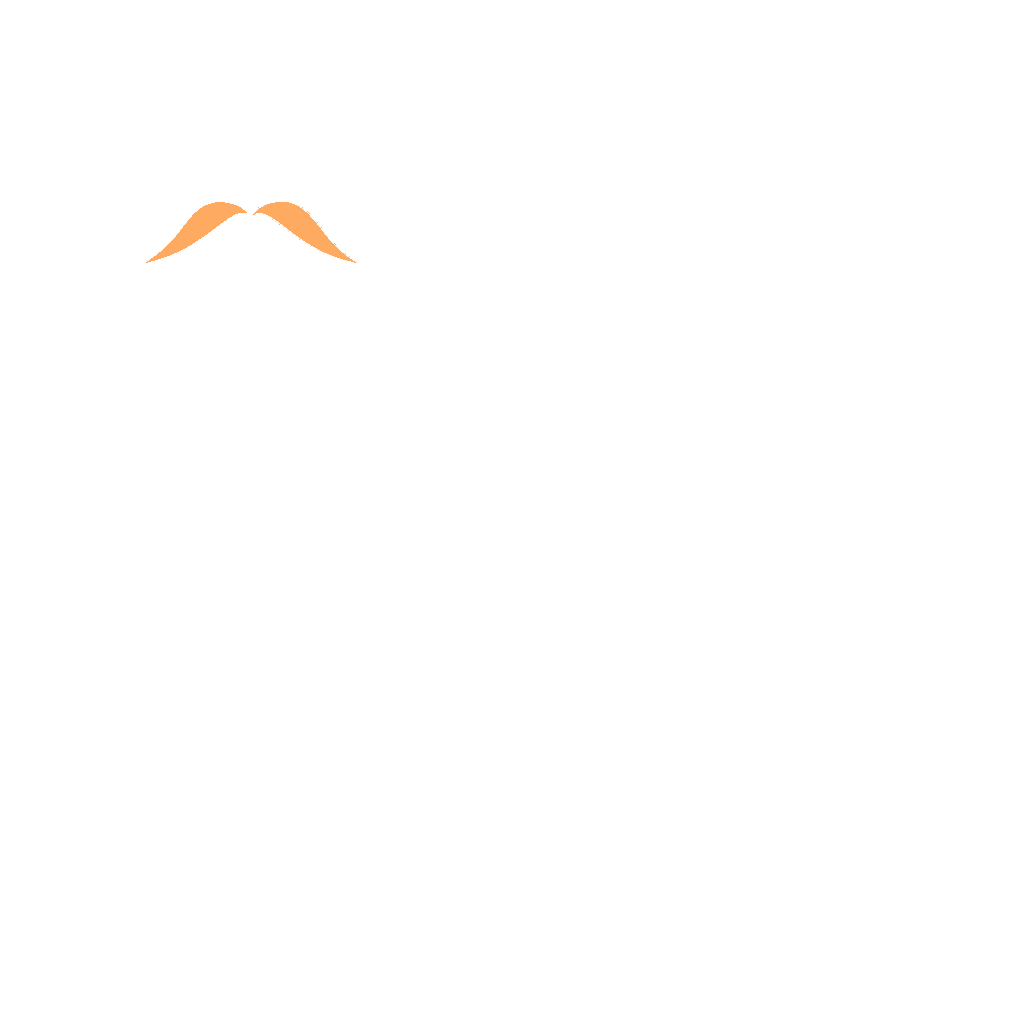


- Target
- Erector Spinae, Gluteus Maximus
- Secondary
- Rectus Femoris, Pectoralis Major Clavicular, Upper Rectus Abdominals
- Tertiary
- Deltoid Anterior, Latissimus Dorsi
How to do it
- 1
From a low lunge, lower the front shin toward the mat into a pigeon setup with the back leg extended.
- 2
Bend the back knee and lift that foot toward the ceiling.
- 3
Reach one arm and then the other overhead to catch the lifted foot with both hands.
- 4
Draw the elbows toward the sky and lift the chest, guiding the foot toward the crown of the head.
- 5
Keep the front hip settling down and breathe for a few steady breaths.
- 6
Release the foot to the floor with control, then repeat on the second side.
Tips
- Build the pose over months; never force the head and foot together, and stop at any spinal pinch.
- Prepare the shoulders with overhead binds and the quads with lunges before attempting the catch.
- Keep the front-leg hip grounded so the backbend does not dump entirely into the lower spine.
- If the full catch is out of reach, use a strap around the back foot to bridge the gap safely.
Variations
Common mistakes
- The entry is rushed, and the front shin thumps down out of the lunge with the knee already loaded, which is how the inside of that knee gets irritated; lower it with a hand on the floor.
- The back thigh rolls out so that knee points sideways as it bends, which opens the pelvis and turns a square backbend into a twist you cannot feel happening.
- The whole arch happens at two or three lumbar joints because the middle of the back never moved; lift and spread the ribs first, then let the spine extend.
- Reaching both hands overhead at the same time before the foot is anywhere near the head leaves you arching with nothing to hold and nothing to pull against.
- The head tips back to meet the foot, so the neck finishes a shape the mid-back could not; keep the skull stacked over the chest and let the foot travel to you.
Frequently asked
- How often should you practice One-Legged King Pigeon Pose, and what should come before it?
- Once or twice a week, at the end of a full session, and the hold itself stays short at three or four breaths per side. This is a pose you build over months with a strap, not one you work at daily. Before the catch, you should be able to hold your own foot in a kneeling quadriceps stretch with the hip square, clasp a strap overhead behind your head without the ribs flaring, and sit comfortably in pigeon for a couple of minutes.
- How do I work up to One-Legged King Pigeon Pose?
- Stay with a strap around the back foot and walk your hands down it a few centimetres each month; that is the whole progression for most people. Before that, the half version, with one hand reaching back for the foot and the other on the floor, teaches the pelvis to stay square. Mermaid, with the foot hooked in the elbow, builds the quadriceps length without the overhead shoulder demand. The full catch with both hands and the foot toward the crown of the head is the last step, not the drill.
- What is One-Legged King Pigeon Pose good for, and who should skip it?
- It is a practice goal more than a training tool, asking for spinal extension, open shoulders, and a long quadriceps and hip flexor all in one shape, and it makes a fitting peak at the end of an advanced session. Skip it if your low back is currently sore, if reaching overhead pinches the front of a shoulder, or if the front knee objects to the pigeon base. It is also the wrong first backbend of the day; the spine needs smaller extension work before this one.
Related exercises
Other movements among FitRay's 2,000+ exercises that load the same target muscle — same equipment and level first.
- AdvancedBoundingBody Weight · Glutes · Quads
- AdvancedPeacock PoseBody Weight · Back · Forearms
- AdvancedBound Side Angle PoseBody Weight · Quads · Thighs
- AdvancedBound Warrior IBody Weight · Quads · Shoulder
- AdvancedBound to Vertical JumpBody Weight · Glutes · Quads
- AdvancedCombination BoundBody Weight · Glutes · Quads