Pincha Kick-Up Drill at Wall
Getting up into a forearm stand is a skill of its own, and this drill isolates it: from a strong forearm base you practice kicking one leg up to the wall with just enough force to float, not crash. Repeating the kick builds the shoulder endurance and timing that make the entry reliable. It bridges the gap between holding the shape at the wall and finding it on your own.
- Equipment
- Body Weight
- Body part
- Shoulder
- Type
- Balance, Strength, Yoga
- Browse by muscle
- Deltoid Anterior, Deltoid Middle, Trapezius Upper
- Browse by movement
- Core Brace



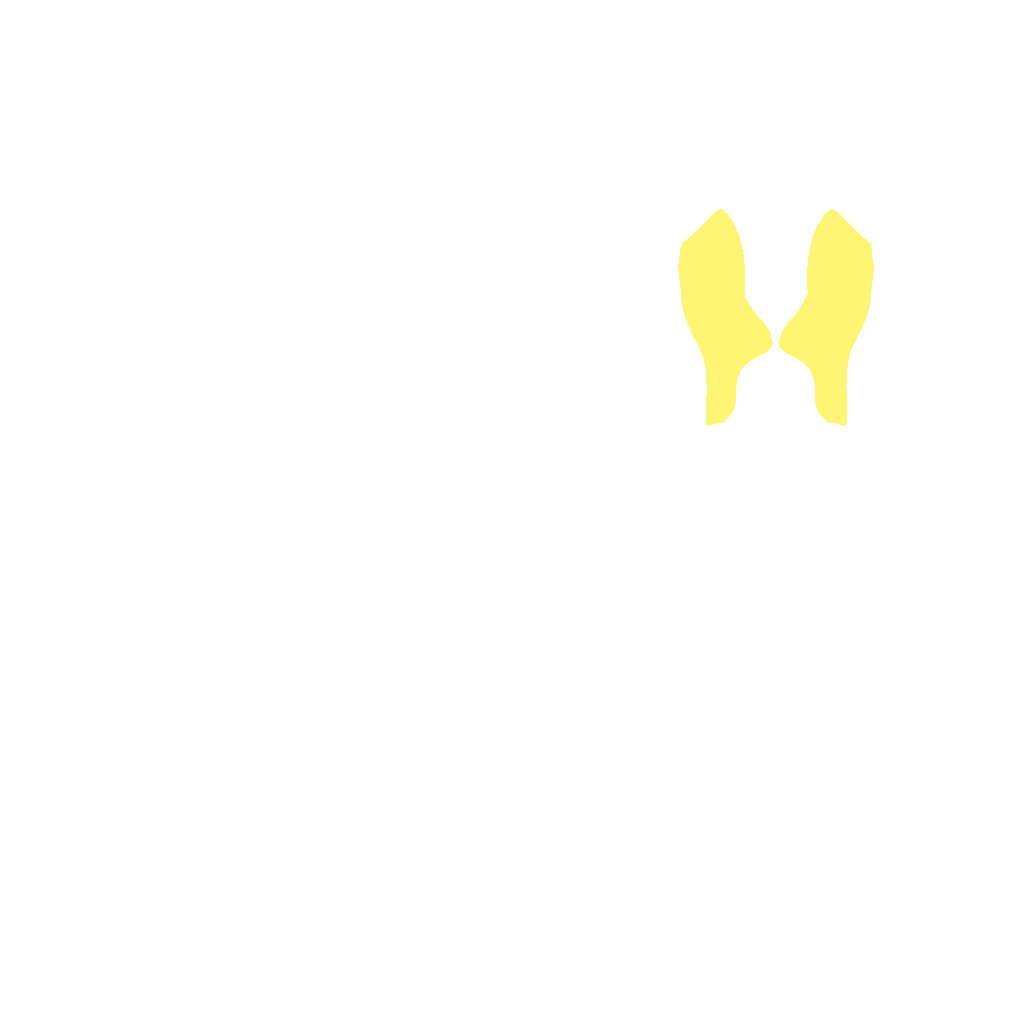



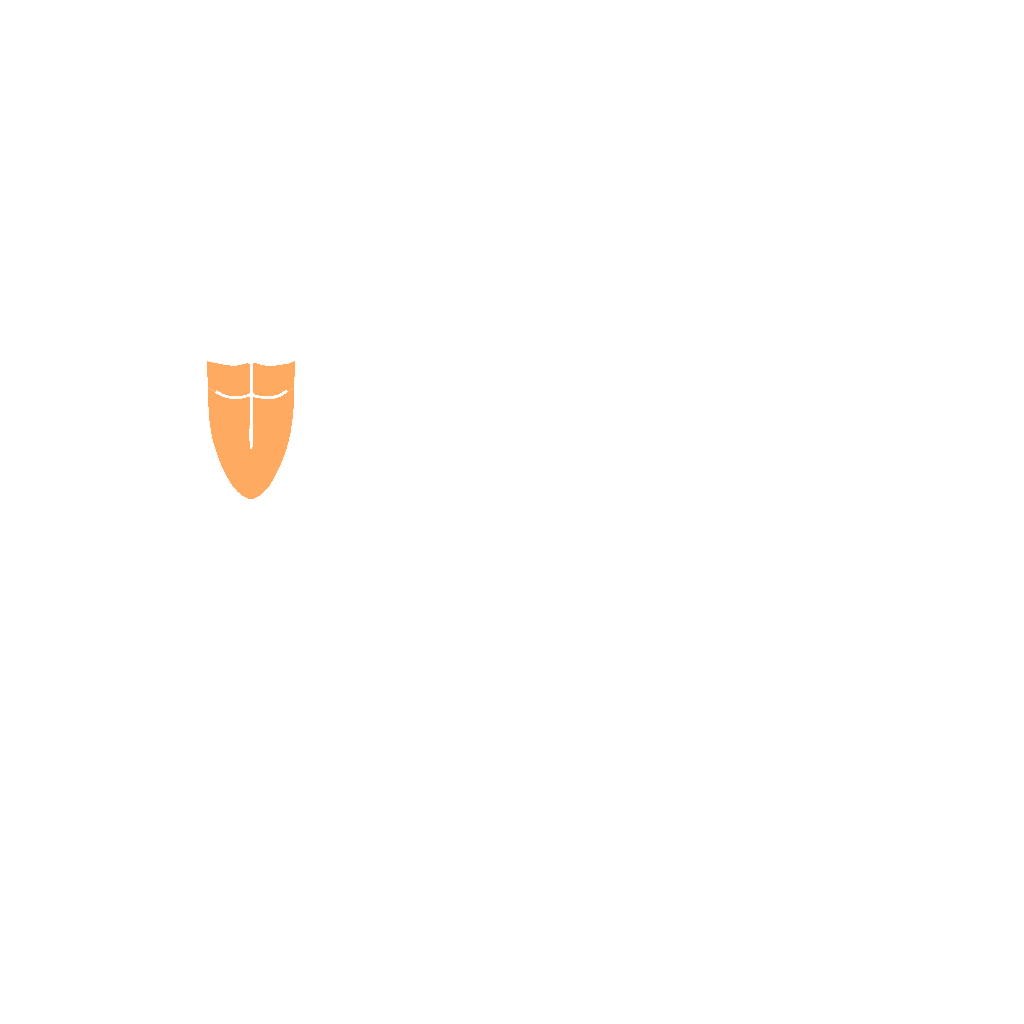



- Target
- Deltoid Anterior, Deltoid Middle, Trapezius Upper
- Secondary
- Erector Spinae, Upper Rectus Abdominals, Gluteus Maximus
- Tertiary
- Lower Rectus Abdominals, Latissimus Dorsi, Splenius, Trapezius Lower
How to do it
- 1
Set the forearms parallel a few inches from the wall, elbows under shoulders and shoulder-width apart.
- 2
Walk the feet in so the hips rise over the shoulders and one leg is ready to swing.
- 3
Press the forearms firmly down and lift the shoulders to lock the base before you kick.
- 4
Kick the top leg up toward the wall with a light, controlled effort while the bottom leg follows.
- 5
Let the heels tap the wall, hold briefly, then lower with control and reset.
- 6
Repeat for several reps per side, keeping each kick smaller and more controlled than a jump.
Tips
- Use the smallest kick that gets you up; a wild kick overloads the lower back and neck.
- Keep the shoulders stacked over the elbows so the weight never shifts back onto the neck.
- Keep the gaze neutral between the hands and the neck relaxed; do not throw the head back.
- If the elbows slide apart, loop a strap above them and reset your spacing.
- Avoid with shoulder, wrist, or neck injury, or with high blood pressure.
Variations
Common mistakes
- The hips are still behind the shoulders when the kick fires, so all the leg can do is swing you into the wall rather than lift you over the base.
- The wall gets treated as the target and the heels arrive at speed, when it should only stop a float that has already nearly stopped itself.
- The bottom foot pushes off the floor at the same instant the top leg swings, which doubles the force and sends both legs crashing up.
- Reps get counted rather than rehearsed: ten rushed kicks teach ten sloppy entries, where four careful ones teach a usable one.
- Landing is left to whichever foot arrives first and the mat takes a slap; lower one leg under control and step the other down after it.
Frequently asked
- How many kick-up reps should I do per side in one session?
- Five to eight kicks per side with twenty to thirty seconds between them, two or three sessions a week, and end the set the moment a kick gets wild rather than finishing the count. Progress by making each kick smaller: when your heels start arriving at the wall silently, you are ready to try stopping an inch or two short of it. Do the drill early in a session, while the shoulders are fresh enough to absorb a float.
- How do I make the forearm stand kick-up drill easier or harder?
- Easier: build the base first with Dolphin Push reps and a forearm hold with both feet on the floor, then practice entries facing the wall, walking the feet up it instead of swinging them. Harder: kick and catch the shape a few inches shy of the wall, hold a breath and step down; then alternate lead legs every rep; then take the drill a foot further from the wall so a small overshoot is yours to manage.
- What is the forearm stand kick-up drill for, and who should skip it?
- It isolates the entry, the part most people never practice: the timing, the amount of force, and the shoulder endurance to absorb a float rather than a crash. That makes it the bridge between holding the shape at a wall and finding it on your own. Skip it with a shoulder, elbow, wrist or neck injury, or with uncontrolled high blood pressure, and skip it on a day when a plain forearm hold already feels heavy, since every rep lands on a base that has to be solid before the leg moves.
Related exercises
Other movements among FitRay's 2,000+ exercises that load the same target muscle — same equipment and level first.
- IntermediateForward Beast CrawlBody Weight · Abs · Shoulder
- IntermediateTripod HeadstandBody Weight · Neck · Shoulder
- IntermediateWall Forearm StandBody Weight · Shoulder
- IntermediateBackward Beast CrawlBody Weight · Abs · Shoulder
- IntermediateInchworm to BeastBody Weight · Abs · Shoulder
- IntermediateLoaded Beast ReachBody Weight · Abs · Shoulder