L-Shape Wall Handstand
The L-shape handstand is the safest way to load a straight-arm handstand line without the fear of falling. With the feet driving into the wall and the hips stacked over the hands, you build the overhead shoulder strength, wrist tolerance, and midline control a freestanding handstand needs. It also teaches the crucial habit of pushing tall through the shoulders rather than hanging on the joints.
- Equipment
- Body Weight
- Body part
- Shoulder
- Type
- Balance, Strength, Yoga
- Browse by muscle
- Deltoid Anterior, Deltoid Middle, Trapezius Upper
- Browse by movement
- Vertical Press


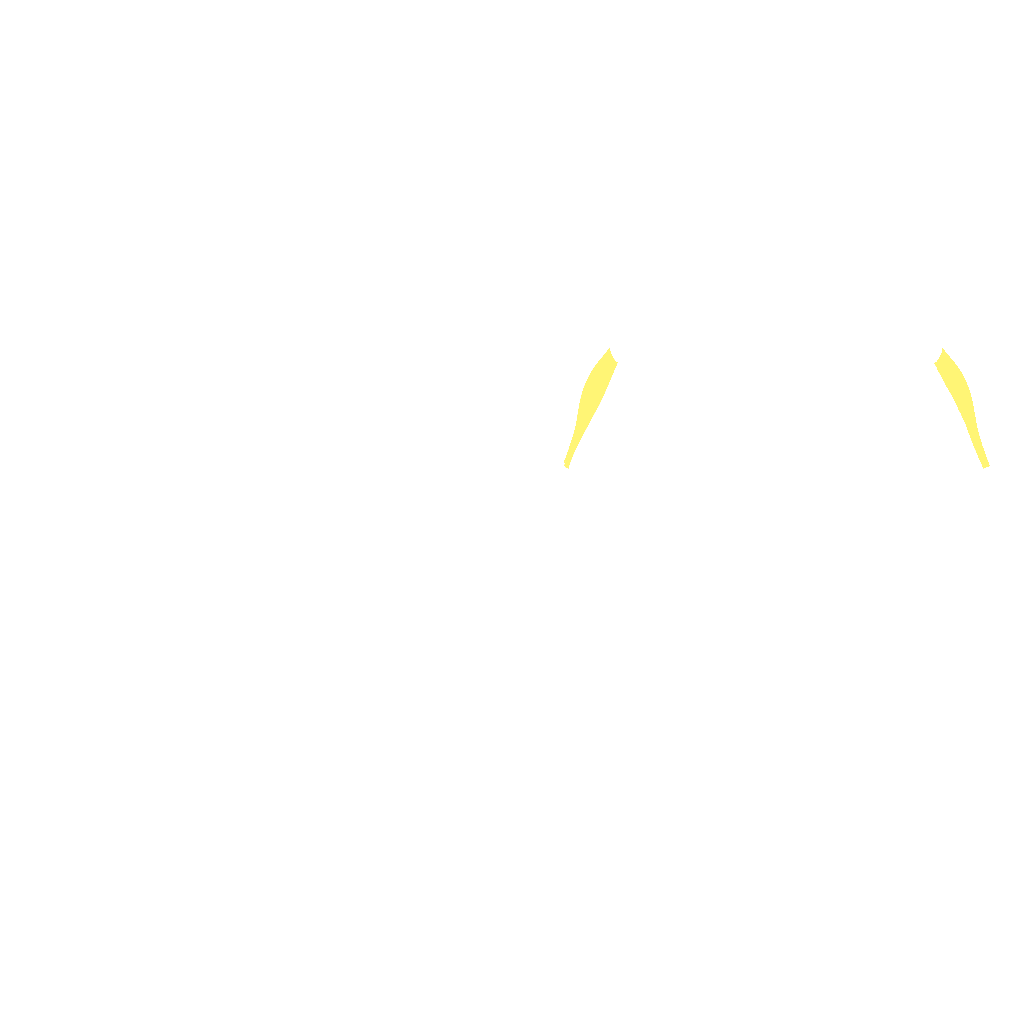

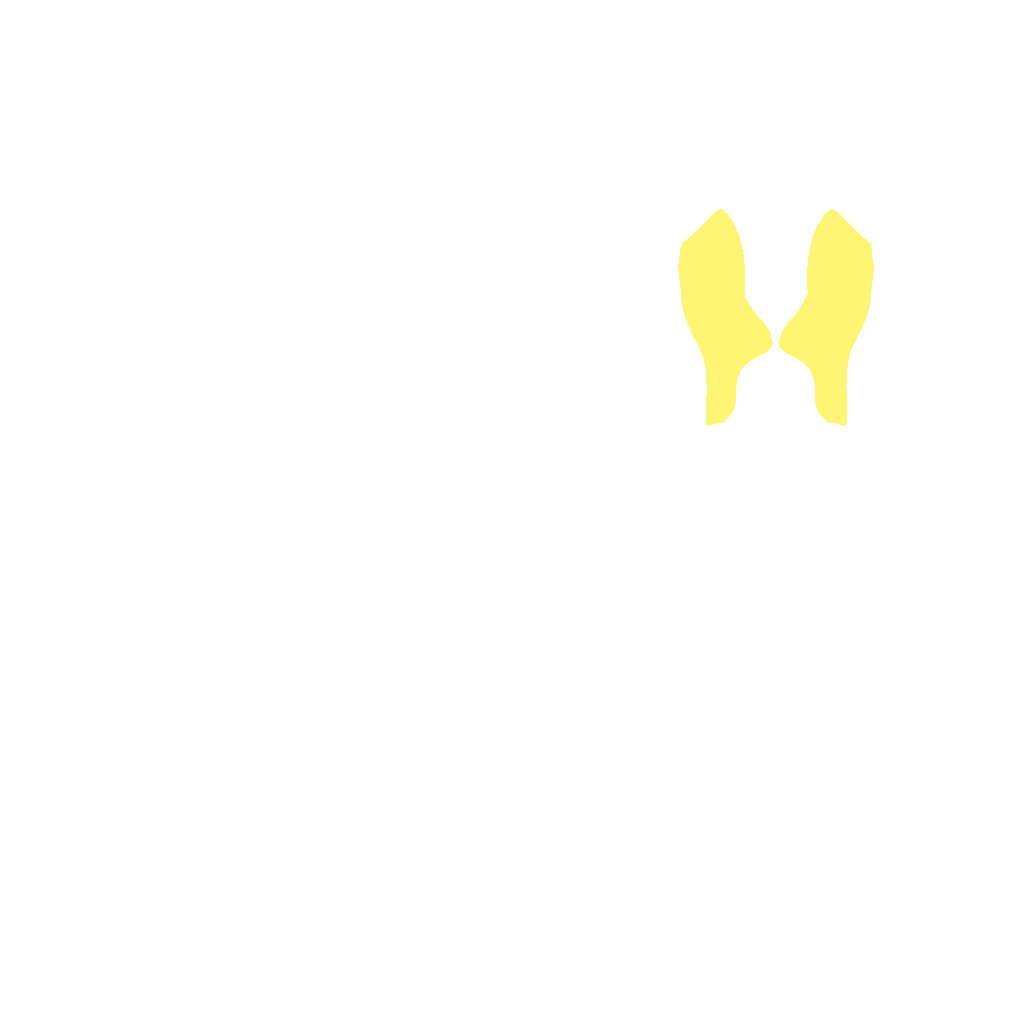








- Target
- Deltoid Anterior, Deltoid Middle, Trapezius Upper
- Secondary
- Triceps Brachii Long Head, Triceps Brachii Lateral Head, Upper Rectus Abdominals, Erector Spinae
- Tertiary
- Extensors, Lower Rectus Abdominals, Latissimus Dorsi
How to do it
- 1
Sit with your back to the wall and mark where your heels reach, then place your hands there shoulder-width.
- 2
Set into a downward-facing dog with the hands on that mark and the balls of the feet on the wall.
- 3
Walk the feet up the wall until they reach hip height and the legs are parallel to the floor.
- 4
Press firmly through straight arms and stack the hips directly over the shoulders and hands.
- 5
Push the floor away, lift the shoulders, and squeeze the legs together into a firm L.
- 6
Hold with steady breathing, then walk the feet back down and rest in Child's Pose.
Tips
- Stack the shoulders over the wrists and push tall so you support the pose with muscle, not collapsed joints.
- Spread the fingers and grip the mat to spare the wrists, and drop out if they ache.
- Keep the ribs knitted in and hips over the shoulders so the lower back does not sag.
- Look at the floor between your hands with a neutral neck rather than up toward the wall.
- Ease off if you have wrist or shoulder injury or elevated blood pressure.
Variations
Common mistakes
- The heel mark gets skipped and the hands land wherever they fall, which is why the hips end up either behind or beyond the shoulders for the whole hold.
- The feet climb above hip height until the body is nearly vertical, which is a different pose; at L-shape the legs belong parallel to the floor.
- The elbows soften a few degrees under fatigue, and once the arms bend the shoulders stop pushing and the wrists collect what they drop.
- One foot slides higher up the wall than the other, so the pelvis twists and one shoulder quietly takes more than its share.
- The exit is a jump down with both feet at once, landing in a deep fold on cold hamstrings; walk them down the wall the way they came up.
Frequently asked
- How long should I hold the L-shape wall handstand?
- Four to six holds of fifteen to thirty seconds with a minute of rest, two or three times a week, and stop each hold while the elbows are still locked. Marking your heel distance every session keeps the measurement honest as the shape improves. Once thirty seconds feels steady, start shifting weight from side to side or lifting one hand an inch off the floor rather than adding time.
- How do I make the L-shape wall handstand easier or harder?
- Easier: walk the feet only as high as your knees, which sends less weight to the hands, or hold a pike with the feet on a chair seat so you control exactly how much arrives. A few minutes of kneeling wrist work beforehand makes the hold much more pleasant. Harder: walk the hands closer to the wall so the hips stack further over the shoulders, reach one leg up toward vertical, add slow shoulder taps, or hold longer with one leg reaching up.
- What is the L-shape wall handstand for, and when is it a poor choice?
- It loads a straight-arm overhead line with no risk of falling, which makes it the best way to build wrist tolerance, shoulder strength and midline control before a freestanding handstand. It does not teach balance, though, because the wall is doing that part; a chest-to-wall hold or freestanding attempts are what develop it. Ease off with a wrist or shoulder injury or elevated blood pressure, and come out at once if the wrists ache rather than merely feel worked.
Related exercises
Other movements among FitRay's 2,000+ exercises that load the same target muscle — same equipment and level first.
- IntermediatePartial Handstand Push-UpBody Weight · Shoulder · Triceps
- IntermediatePike Push-UpBody Weight · Shoulder · Triceps
- Advanced90-Degree Handstand Push-UpBody Weight · Shoulder · Triceps
- AdvancedCrow to Headstand PressBody Weight · Abs · Shoulder
- AdvancedCrow to Tripod HeadstandBody Weight · Abs · Shoulder
- AdvancedFreestanding Handstand Push-UpBody Weight · Shoulder · Triceps