Wall Forearm Stand
The forearm stand loads the shoulders through a deep flexed position with no help from the head, making it one of the most demanding shoulder-stability inversions in yoga. Using the wall lets you accumulate time upside down and dial in the elbow-under-shoulder alignment that a freestanding version requires. It is the single best prep for the freestanding forearm balance and its progressions.
- Equipment
- Body Weight
- Body part
- Shoulder
- Type
- Balance, Strength, Yoga
- Browse by muscle
- Deltoid Anterior, Deltoid Middle, Trapezius Upper
- Browse by movement
- Core Brace













- Target
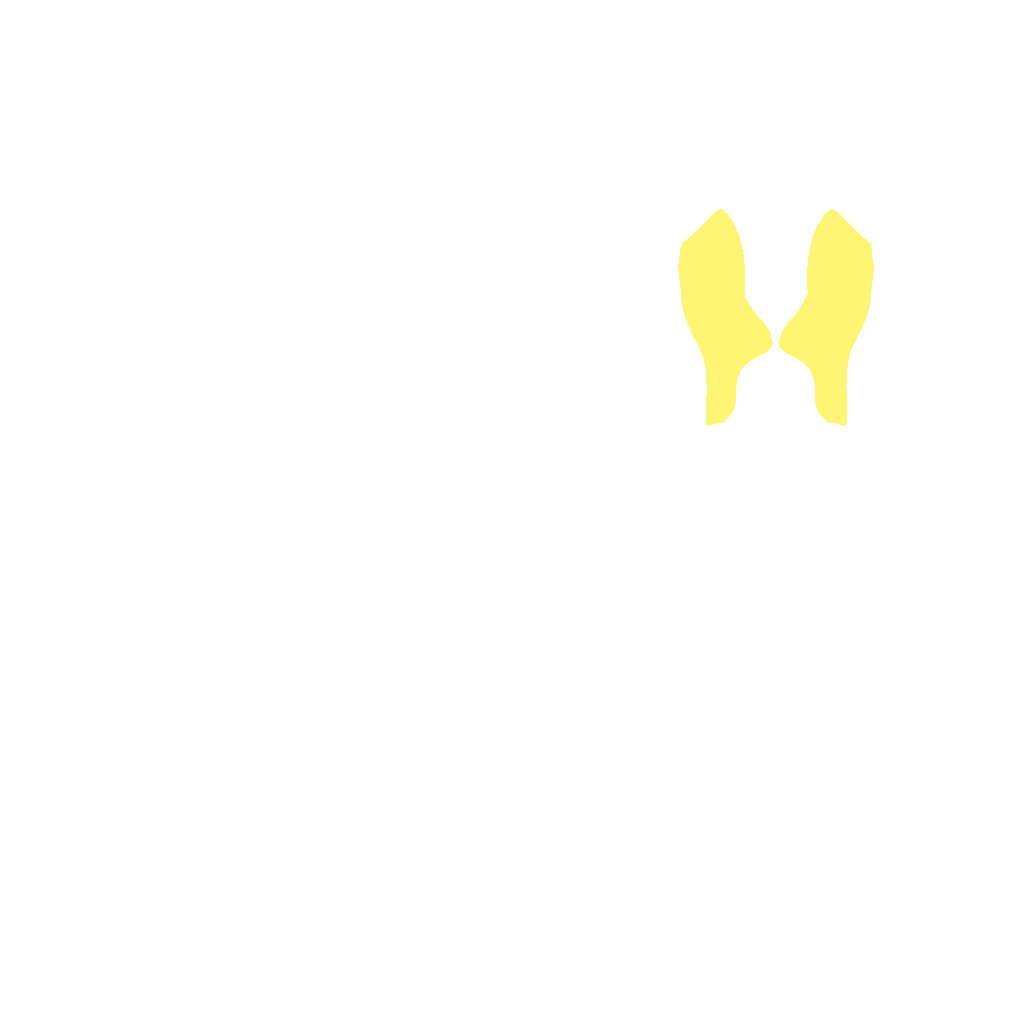
- Deltoid Anterior, Deltoid Middle, Trapezius Upper
- Secondary
- Trapezius Middle, Trapezius Lower, Upper Rectus Abdominals, Lower Rectus Abdominals, Erector Spinae
- Tertiary
- Abdominal External Oblique, Latissimus Dorsi, Infraspinatus, Splenius
How to do it
- 1
Kneel facing a wall and place the forearms down parallel, elbows directly under the shoulders and shoulder-width apart.
- 2
Spread the fingers wide and press the whole forearm firmly into the mat.
- 3
Tuck the toes, lift the hips, and walk the feet in toward the elbows into a forearm-supported pike.
- 4
Kick one leg up to the wall, then join the second, stacking the hips over the shoulders.
- 5
Press the forearms down, lift the shoulders, and reach the heels up the wall into a straight line.
- 6
Lower one leg at a time with control and rest the shoulders in Child's Pose.
Tips
- Keep the elbows from splaying wider than the shoulders; a strap around the upper arms can hold the spacing.
- Press the forearms down and lift the shoulders to keep the neck long and the head hovering, not craned back.
- Do not crank the chin up to look forward; keep a neutral gaze between the hands to protect the neck.
- Squeeze the legs together and ribs in so the lower back does not sag into a banana shape.
- Skip if you have shoulder impingement, wrist or neck injury, or blood pressure or eye conditions.
Variations
Common mistakes
- Forearms start parallel but the elbows creep wider once the legs are up, and from there the shoulders sink and the chest drifts toward the floor.
- The heels rest heavily on the wall so the hips hang behind the shoulders in a long arc, turning the hold into a lean instead of a stack.
- Kicking up hard sends the whole body into the wall with a thud; the wall is there to catch the heels, not to stop the body.
- Hands lie flat and passive when they should be gripping, and pressing the fingertips and inner wrists down is what stops the forearms sliding apart under load.
- The set ends by falling out rather than by lowering one leg at a time, which teaches you to fear the pose rather than to hold it.
- Long holds get chased before the shoulders can support them, so the shape sags halfway through; end the hold while the line is still good.
Frequently asked
- How long should you hold the wall forearm stand, and how often?
- Accumulate time rather than counting reps: 4 to 6 holds of 15 to 30 seconds with a full minute of rest, aiming for two to three minutes upside down across the session. Two or three sessions a week builds shoulder endurance quickly. Once a 45-second hold stays straight, start peeling the feet off the wall for a second or two at a time; that, rather than adding seconds to the hold, is the honest step toward a freestanding version.
- How do you make the wall forearm stand easier or harder?
- Easier: hold Dolphin Pose with the feet on the floor, or set the feet on a chair seat so the hips stack without the full weight arriving at once. Both train the same shoulder position. Harder: face the wall and walk the feet up it so the line is genuinely vertical rather than arced, take one leg off the wall at a time, or move to a freestanding attempt. Brief one-foot-off holds are the useful bridge between the two.
- Why do the wall forearm stand instead of going straight to the freestanding version?
- It is the best available preparation for a freestanding forearm balance, and it builds the overhead shoulder strength and stability that carry into pressing and handstand work. Because the head stays off the floor, none of the load reaches the neck, which makes it a friendlier inversion than a headstand for a lot of people. It is a poor choice with shoulder impingement, a wrist or neck injury, or blood pressure or eye conditions, and a poor choice for building shoulder size, where a loaded press does far more per minute.
Related exercises
Other movements among FitRay's 2,000+ exercises that load the same target muscle — same equipment and level first.
- IntermediateForward Beast CrawlBody Weight · Abs · Shoulder
- IntermediateTripod HeadstandBody Weight · Neck · Shoulder
- IntermediateBackward Beast CrawlBody Weight · Abs · Shoulder
- IntermediateInchworm to BeastBody Weight · Abs · Shoulder
- IntermediateLoaded Beast ReachBody Weight · Abs · Shoulder
- IntermediatePincha Kick-Up Drill at WallBody Weight · Shoulder