Dolphin Push
Dolphin Push is the workhorse prep for every forearm inversion. Rocking between a low forearm plank and a high inverted-V pike trains the shoulders to bear load through their full range while the core resists sagging. It is accessible to beginners, scales endlessly, and directly builds toward Wall Forearm Stand without any neck loading.
- Equipment
- Body Weight
- Type
- Balance, Strength, Yoga
- Browse by muscle
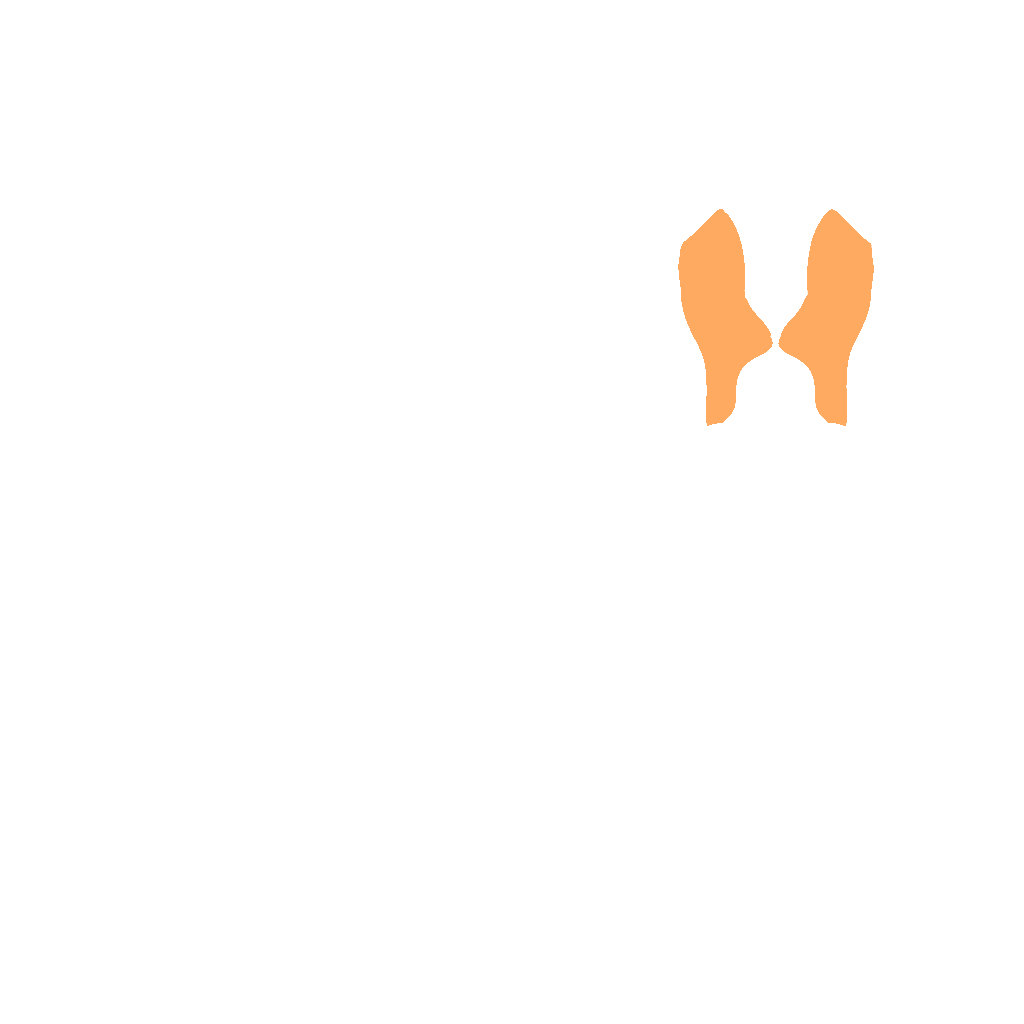
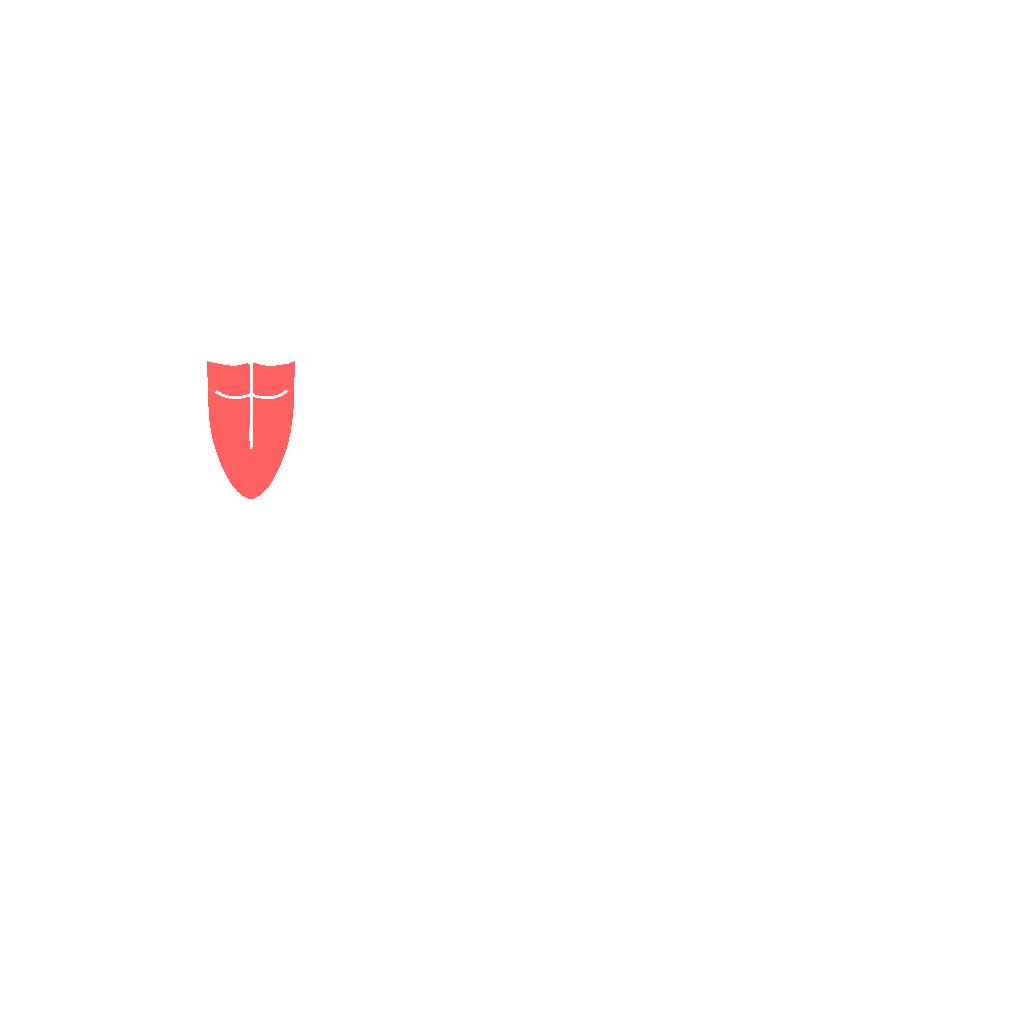
- Deltoid Anterior, Trapezius Upper, Upper Rectus Abdominals
- Browse by movement
- Core Brace











- Target
- Deltoid Anterior, Trapezius Upper, Upper Rectus Abdominals
- Secondary
- Latissimus Dorsi, Erector Spinae, Lower Rectus Abdominals, Trapezius Lower
- Tertiary
- Abdominal External Oblique, Infraspinatus, Deltoid Middle
How to do it
- 1
Start in a forearm plank with elbows under the shoulders and forearms pressing the mat.
- 2
Push the floor away, lift the hips, and walk them up and back into an inverted V on the forearms.
- 3
Reach the chest gently toward the thighs while keeping the shoulders stacked over the elbows.
- 4
Draw the hips forward and down, returning through the forearm plank without dropping the belly.
- 5
Continue shuttling between the two shapes for controlled reps, breathing steadily.
- 6
Finish by resting the shoulders in Child's Pose.
Tips
- Keep the elbows from sliding wider than the shoulders throughout the range.
- Press the forearms down hard to keep the neck long and the head hovering, not sinking toward the floor.
- Move slowly and stop the hips just short of any lower-back rounding under load.
- Bend the knees generously if tight hamstrings pull the spine into a hard round.
- Ease off if you have a shoulder injury; there should be no pinching at the front of the joint.
Variations
Common mistakes
- The hips drop and the belly sags on the way back to the forearm plank, turning the return half of every rep into a slump the low back absorbs.
- The two shapes blur into a continuous rock, so neither end of the range is a position the shoulders have to hold and the rep count stops meaning anything.
- The hips travel up but not back, so the pike stays shallow and the shoulders never reach the overhead angle this drill exists to train.
- The elbows slide forward of the shoulders in the plank half, and from that angle the chest sinks instead of the hips lifting.
- Reps get chased past the point where the shape holds, and the last few always have a sagging plank and barely any pike at all.
Frequently asked
- How many reps of the dolphin push should a beginner do?
- Two or three sets of five to eight slow reps, resting in Child's Pose between sets, three times a week. One rep should take about four seconds in each direction. Build to twelve reps before you make the range harder, and if the hips start sagging in the plank half, the set is over even if the count is not. Expect to feel this across the front of the shoulders for the first week or two.
- How do I make the dolphin push easier or harder?
- Easier: drop the knees for the plank half, or do the whole drill on your hands instead of your forearms, which shortens the lever at the shoulder. A slow count on the way back to the plank is where the movement becomes controllable. Harder: walk the feet a few inches closer to the elbows so the pike gets taller, pause three seconds at the top of each rep, lift one heel at the top, or finish the set by holding the pike for thirty seconds.
- What is the dolphin push good for, and who should ease off?
- It is the cheapest shoulder preparation there is for forearm inversions: it loads the overhead position through a full range, teaches the trunk to stay firm while the hips travel, and puts nothing on the neck, which makes it a better first step than any headstand. Ease off if the front of the shoulder pinches at the top of the pike, and keep the reps few and slow with a shoulder injury. It is not the drill for hamstring length, since the legs keep moving; a held forward fold does that better.
Related exercises
Other movements among FitRay's 2,000+ exercises that load the same target muscle — same equipment and level first.